
It's winter. Do I still need to worry about malaria in Southern Africa?
Travellers heading to malaria-prone safari regions should still take sensible precautions and seek current medical advice.

Understanding seasonal risk in safari regions
Winter arrives across much of Southern Africa between May and August, bringing cooler mornings, lower humidity and pleasant safari conditions. Many travellers assume that malaria disappears during these months. The reality is more nuanced.
Malaria transmission generally declines during winter because mosquitoes breed less successfully in cooler conditions. Lower temperatures slow the development of the malaria parasite within mosquitoes, reducing overall transmission rates. Declining risk, however, does not mean zero risk.
South Africa's malaria-prone regions include parts of the Kruger National Park, northern KwaZulu-Natal and areas bordering Mozambique and Zimbabwe. Cases can still occur during winter, particularly following unseasonably warm periods.
 Mariana Balt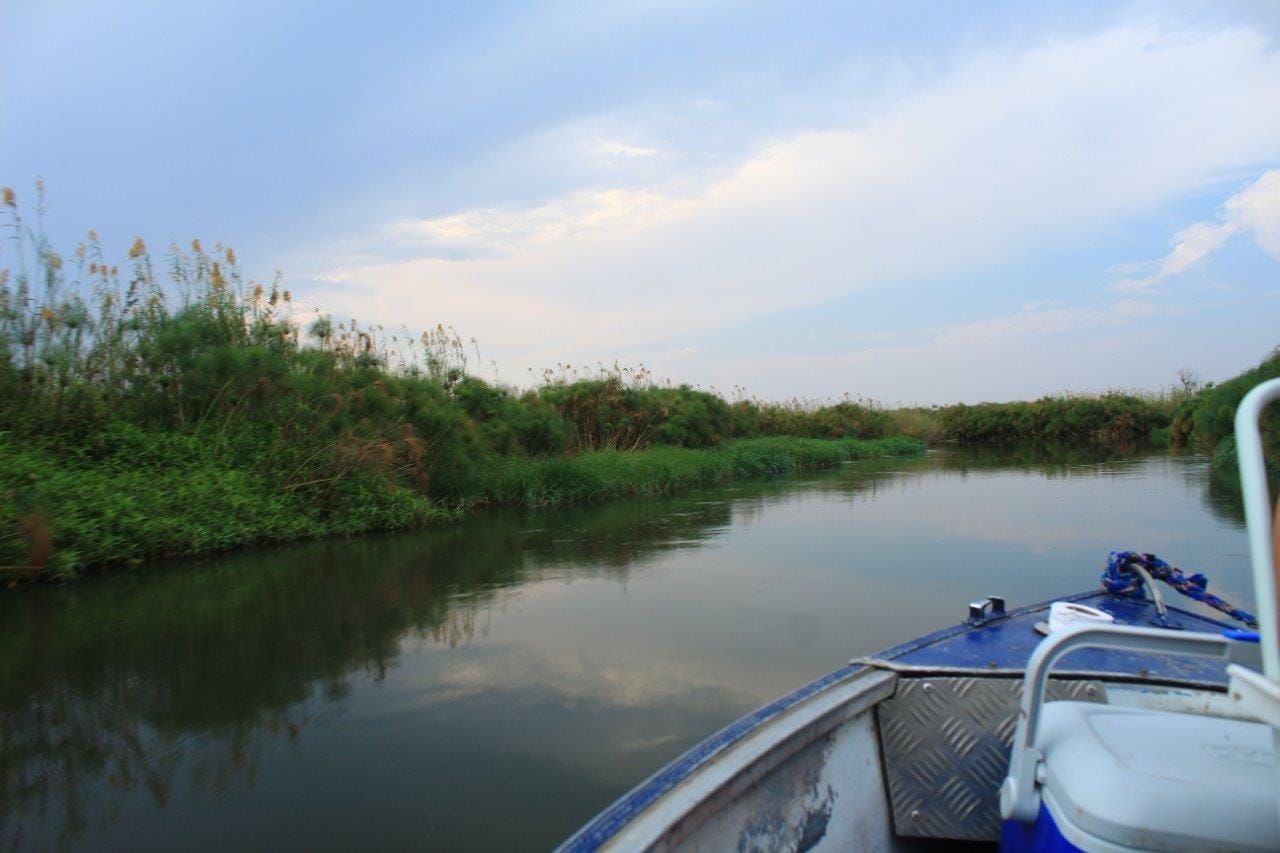
Neighbouring countries present similar patterns. Northern Botswana, including sections of the Okavango Delta and Chobe region, experiences lower winter transmission than summer. Certain areas of Zimbabwe, Zambia and Mozambique continue to report cases throughout the year.
Risk levels vary significantly depending on location. Visitors staying in Cape Town, the Garden Route or the Eastern Cape need not worry about malaria. Travellers heading to the Lowveld or tropical northern regions should remain informed regardless of the season.
Preventive measures remain sensible during winter. Long sleeves after sunset, insect repellent and mosquito-proof accommodation all reduce exposure. Medical professionals may still recommend prophylactic medication depending on destination, travel duration and individual circumstances.
 Mariana Balt
Wildlife viewing often peaks during winter because vegetation thins and animals congregate around water sources. This popularity means many visitors enter malaria areas during the very season when they mistakenly believe there is no risk.
The best approach is destination-specific advice rather than assumptions based on season alone. Travel clinics and healthcare providers can offer guidance tailored to current conditions and planned routes.
Winter remains one of the finest times to experience Southern Africa's safari destinations. Understanding malaria risk simply helps travellers prepare appropriately and enjoy the journey with greater confidence.

 Naomi Roebert
 Naomi Roebert


Comments ()