
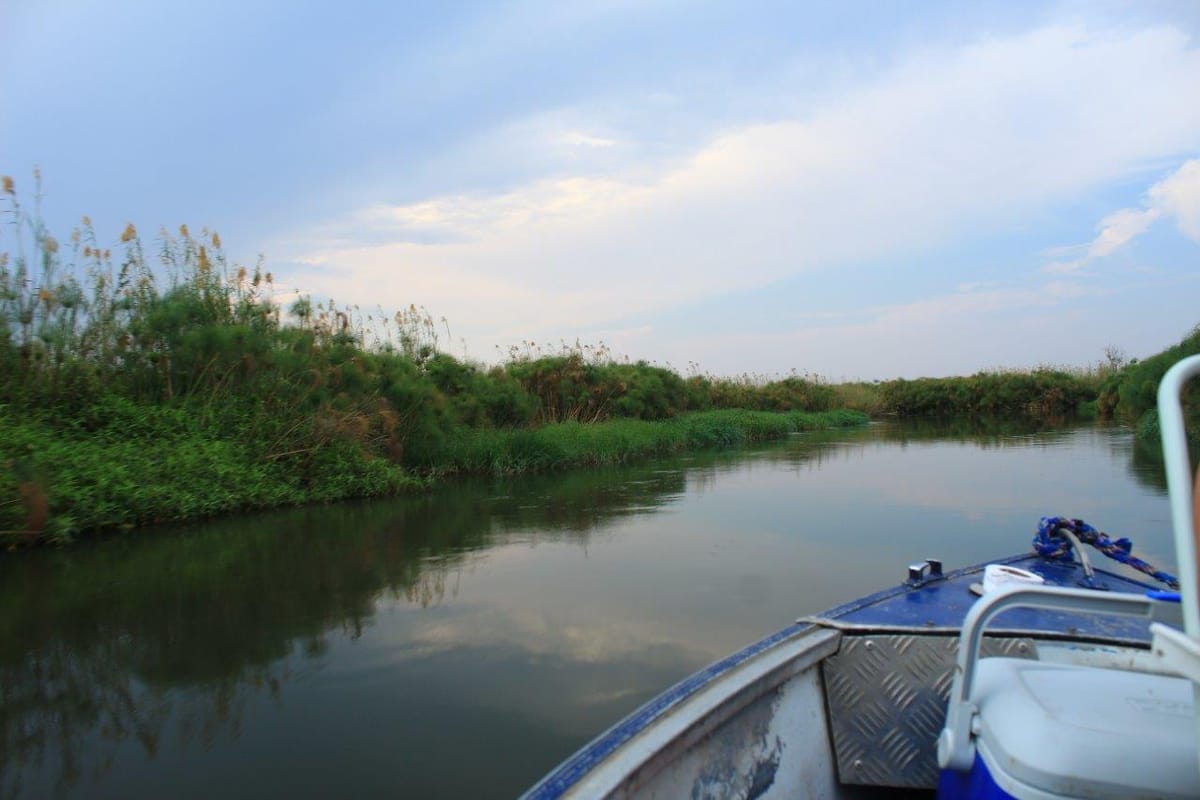
Botswana offers two distinct safari seasons shaped by water, wildlife and weather patterns.
Botswana’s travel seasons are shaped by rainfall patterns and wildlife movement rather than temperature alone.
The country experiences a dry winter from May to October and a wetter summer from November to April. Each period offers a distinct experience across regions such as the Okavango Delta, Chobe National Park and the Makgadikgadi Pans.
The dry season from May to September is widely regarded as the most rewarding for wildlife viewing. Water levels in the Okavango Delta rise during this period due to rainfall in Angola’s highlands, even though local conditions remain dry.
This seasonal flood draws animals into concentrated viewing areas, particularly around permanent channels near Maun and Moremi Game Reserve. Temperatures remain mild during the day, often between 20°C and 28°C, with cooler mornings and evenings.
Chobe National Park near Kasane becomes especially active between June and October. Large elephant herds gather along the Chobe River, often visible from river cruises that operate from the town. Reduced vegetation improves visibility, making game drives more productive along routes such as the Sedudu Valley.
The shoulder months of April and May offer a transitional landscape. Green vegetation remains in places, while water levels begin to rise in the Delta. Travellers during this period often encounter fewer vehicles at sightings, creating a quieter safari atmosphere.
The rainy season from November to March transforms the landscape into a green expanse. Afternoon thunderstorms are common, particularly in December and January. Birdlife peaks during this period, with migratory species arriving across wetlands and floodplains. The Makgadikgadi Pans become accessible in parts, revealing surreal salt flats framed by temporary water pools that attract flamingos.
Travel logistics also vary by season. Remote camps in the Delta often close or reduce operations during peak rains due to limited access. Road conditions in rural areas can become challenging after heavy downpours, especially in the north-eastern corridors near the Kazungula border region.
Photographers often prefer the dry season for clearer wildlife sightings, while travellers seeking dramatic skies and lush landscapes lean towards the green season. Accommodation prices also tend to be lower between November and March, offering value for flexible itineraries.


Comments ()