
Francistown: Botswana’s second city with a mining soul
Francistown in Botswana began as a gold mining settlement and grew into a key transport and economic hub.
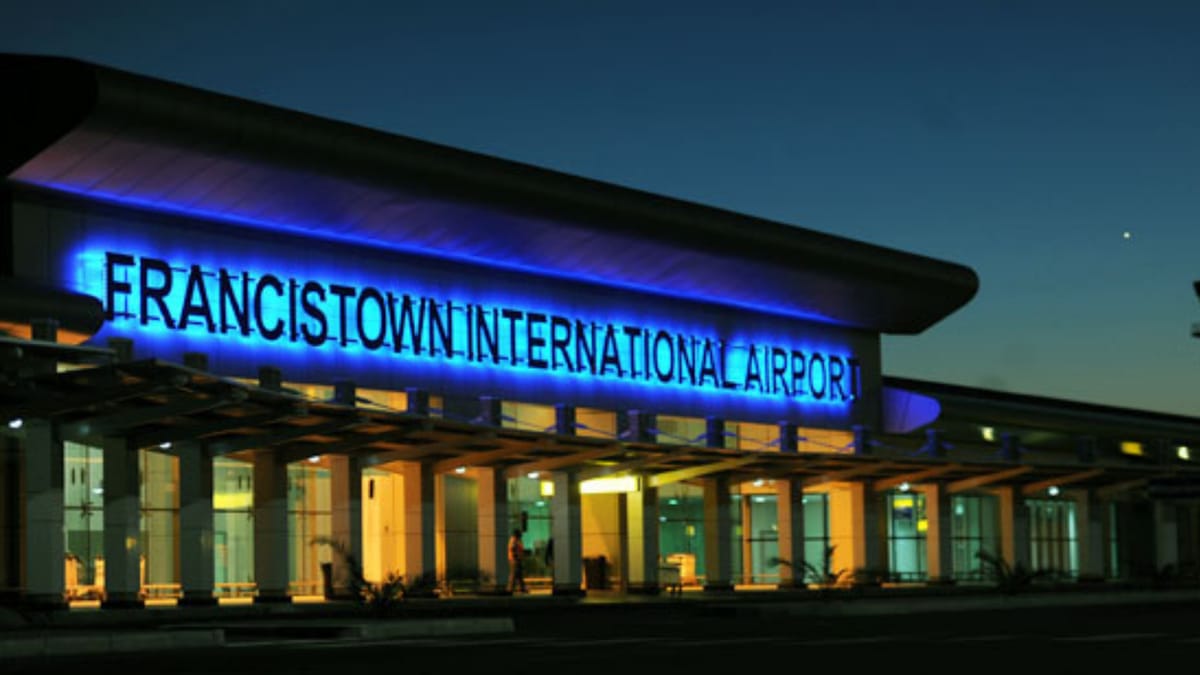


Francistown lies in north-eastern Botswana, approximately 400 kilometres from Gaborone and around 90 kilometres from the Zimbabwe border at Ramokgwebana. It is Botswana’s second-largest urban centre and one of its most historically significant.
The city’s origins are rooted in gold. In the late 19th century, prospectors arrived in the Tati Goldfields in search of mineral wealth. Early mining activity around areas such as Monarch and Signal Hill helped establish Francistown as Botswana’s first major commercial settlement.
Although gold production declined over time, the city’s role as a transport and economic hub strengthened. Its position along key regional routes ensured continued relevance in trade and movement between Botswana, Zimbabwe and South Africa.
Modern Francistown blends history with everyday urban life. The Tati River basin supports agriculture and settlement patterns in the surrounding area, while the city itself has developed into a centre for retail, education and services.
The A1 highway runs through Francistown, forming Botswana’s primary north–south transport spine. Rail connections further reinforce its role as a logistics gateway, linking southern Africa’s interior to cross-border networks.
Despite its industrial and transport importance, Francistown maintains a relaxed atmosphere compared to the capital, Gaborone. Tree-lined streets, local markets and neighbourhood eateries give the city a grounded character that reflects its regional roots.
Nearby attractions include the Tachila Nature Reserve, where conservation efforts have restored wildlife to a rehabilitated landscape just outside the urban edge. Further afield, travellers continue toward the Okavango Delta or the Makgadikgadi Pans. Francistown’s identity has evolved from gold rush beginnings to a stable regional hub. Its growth has been shaped by movement, trade and its position on major transport routes rather than rapid urban expansion alone.
The city carries its history lightly, but it remains visible in its foundations.
 Liz Thorne
 Lynette Spencer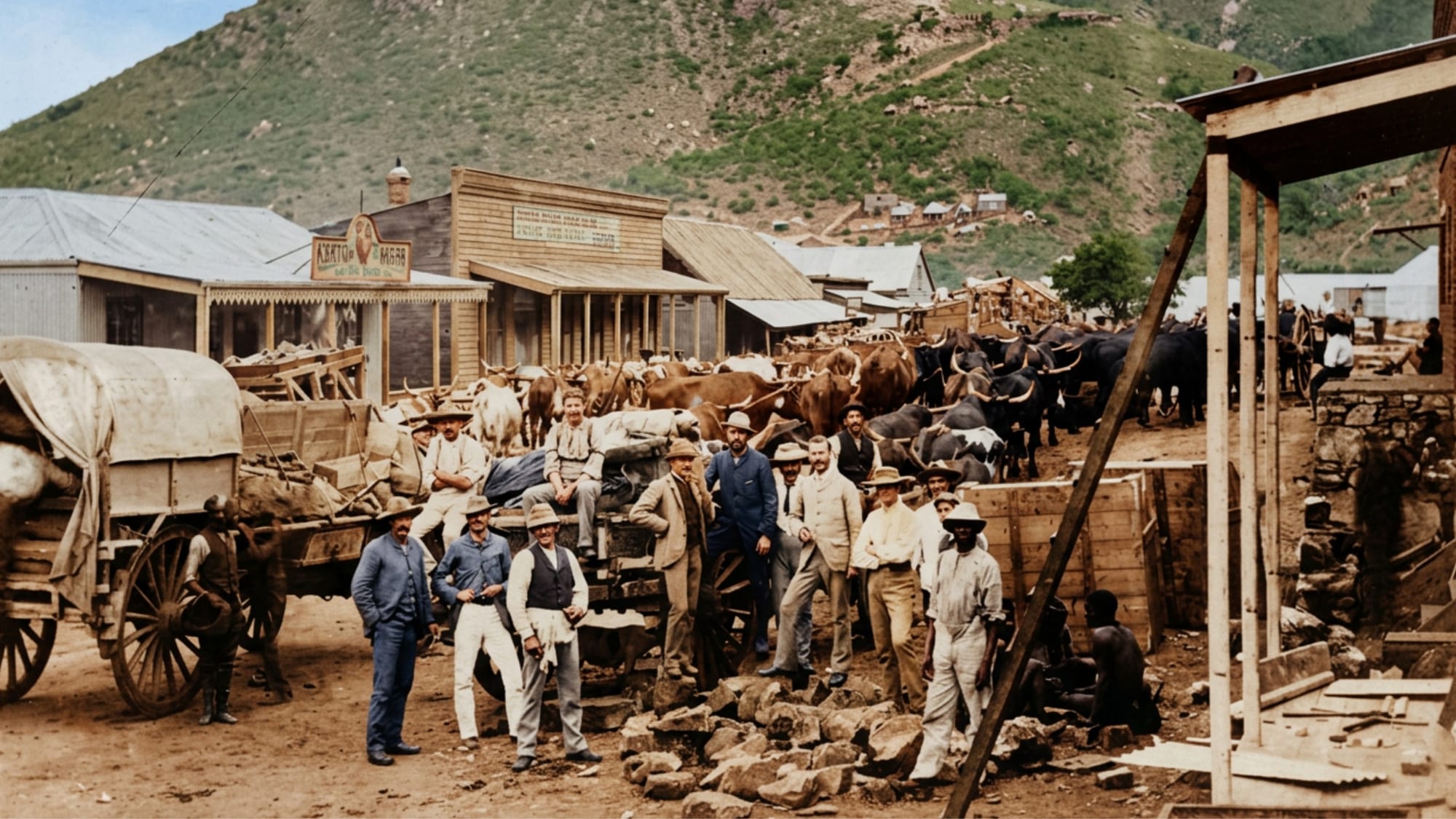
 Naomi Roebert


Comments ()