
From currency to connectivity, know what to expect when travelling to Zimbabwe
Zimbabwe offers far more than Victoria Falls. From wildlife encounters in Hwange National Park to historic towns and rural communities, visitors will find a country rich in natural beauty, culture and adventure.
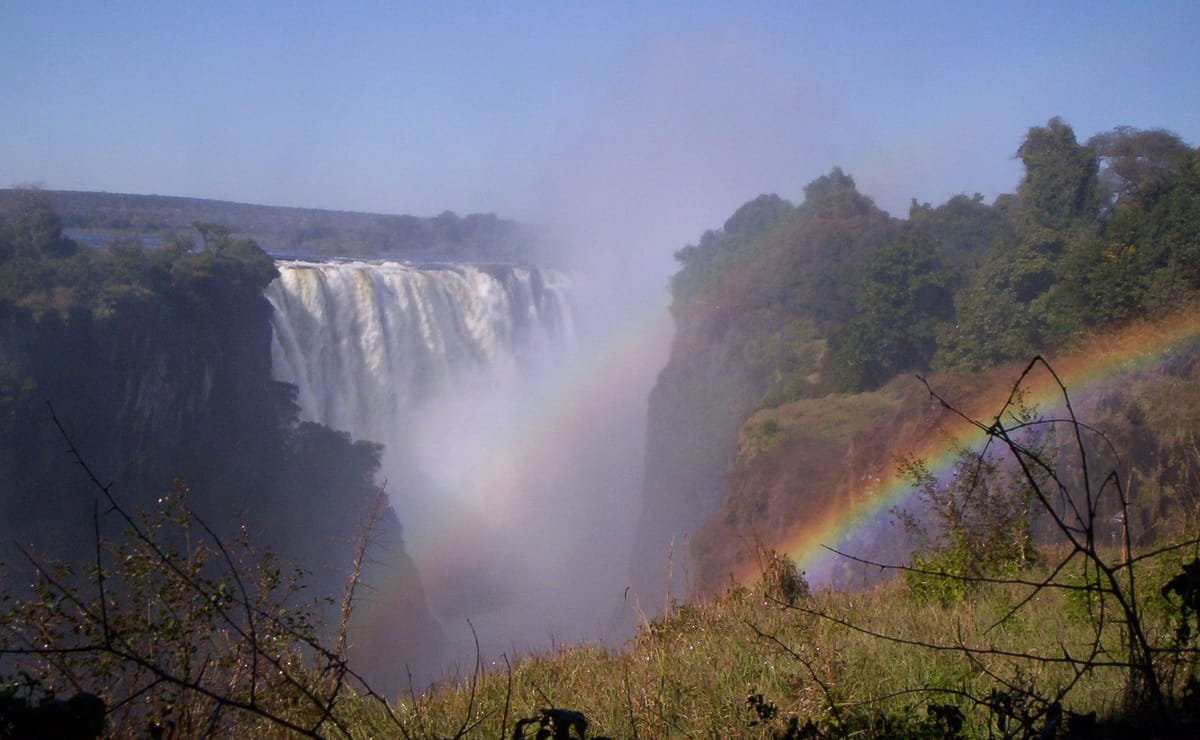
Victoria Falls may be Zimbabwe's best-known attraction, but it is only one part of the story. Away from the waterfall, travellers encounter national parks, historic towns, rural communities and landscapes that reveal a different side of the country.
Travelling around Zimbabwe is generally straightforward, although a little planning can make the experience easier. One of the first things people often notice is the mix of currencies in use. The Zimbabwe Gold (ZiG) became the country's official currency in April 2024, replacing the previous Zimbabwean dollar, but US dollars are still widely accepted in tourism areas such as Victoria Falls and around Hwange National Park. Card payments are common at larger hotels and establishments, although carrying some cash can be useful when travelling through smaller towns and more rural areas.
A large number of travellers enter the country through the Victoria Falls Bridge from Zambia or the Kazungula border crossing from Botswana. During the busier months between July and September, border crossings can sometimes take longer than expected, so allowing a little extra time is often worthwhile. Before travelling, it is worth checking passport requirements, as travellers are generally expected to have at least six months' validity remaining on their passports.
For those planning to explore the country by road, conditions can vary from one region to the next. The route between Harare and Bulawayo is fully tarred, although potholes are still encountered in some places. Driving after dark outside the larger centres is generally avoided by many travellers, partly because road lighting can be limited and partly because wildlife is sometimes found near the roadside.
Wildlife remains one of Zimbabwe's biggest attractions. Hwange National Park, about 100 kilometres south-east of Victoria Falls, is home to large elephant herds as well as predators such as lions and leopards. As in most safari destinations, visitors are expected to follow park regulations and remain in their vehicles except at designated viewpoints and camps. Waterholes are often busiest during the cooler hours of the morning and late afternoon when animals come to drink.
Mobile coverage is generally good in Harare, Victoria Falls and most larger centres, although travellers heading into remote safari areas may find that signal becomes less reliable. Some lodges rely on solar power and satellite systems, which can occasionally affect internet access and charging options.
In many parts of Zimbabwe, a simple greeting is appreciated and asking permission before photographing people is regarded as good manners. English is widely spoken alongside Shona and Ndebele, making it easy to communicate while travelling around much of the country.



Comments ()