
Autumn is making way for winter: What to keep in mind when travelling
As autumn gives way to winter, travelling across Southern Africa requires a shift in mindset. From cooler evenings to changing road conditions, a little preparation goes a long way.
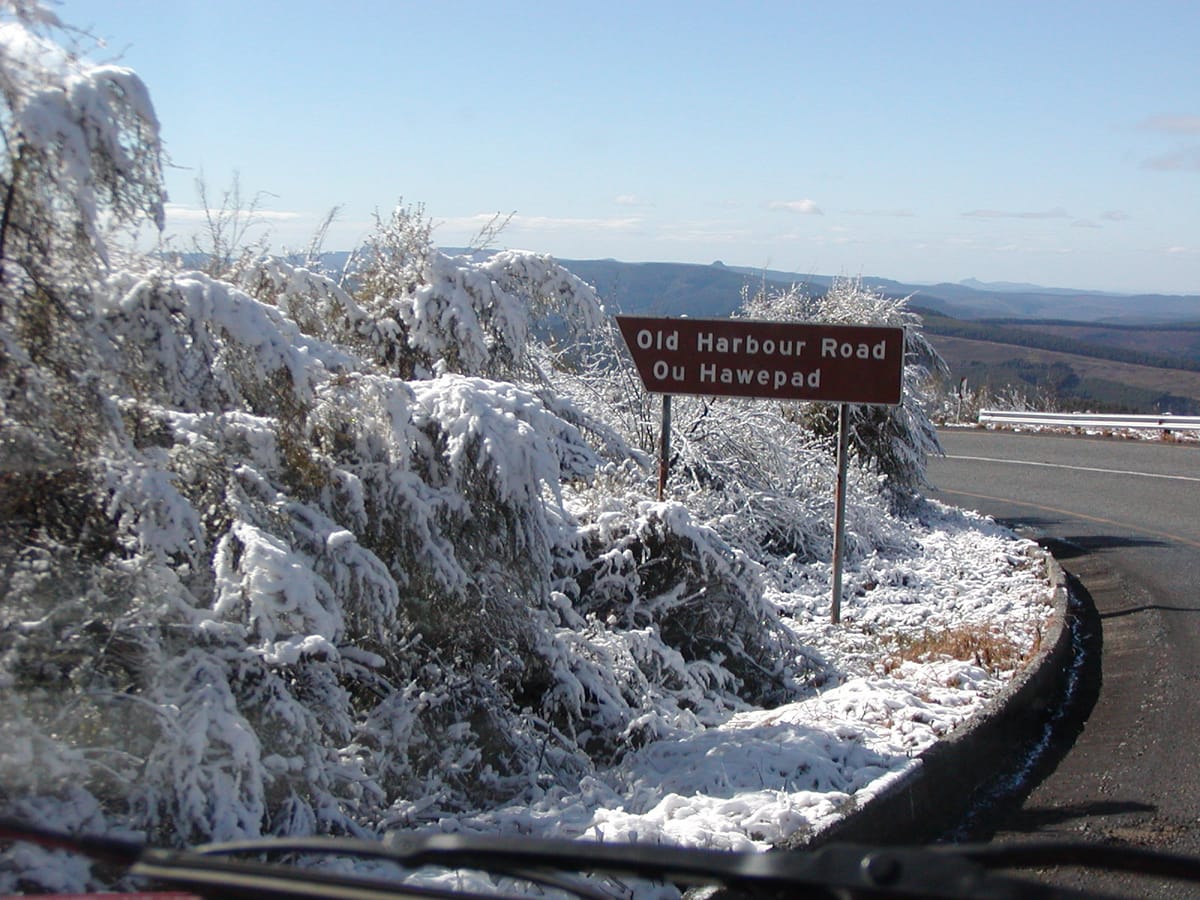
As autumn deepens across Southern Africa, the light shifts almost imperceptibly. Mornings arrive with a sharper edge, and evenings draw in sooner, carrying a quiet reminder that winter is approaching.
For travellers, this seasonal transition brings both opportunity and responsibility.
In the Highveld, cities like Johannesburg and Pretoria begin to cool rapidly once the sun dips. Daytime temperatures remain pleasant, often hovering in the low twenties, yet nights can drop into single digits. Layering becomes essential.
A light jacket is no longer enough once you step outside after dark. Packing adaptable clothing allows for comfort across fluctuating conditions.
Further south, the Western Cape enters its rainy season. Routes such as Chapman’s Peak Drive or the winding passes around Franschhoek take on a moody charm under grey skies, yet they demand caution.
Wet roads and reduced visibility can slow travel times significantly. Checking weather forecasts before setting out is not just sensible, it is necessary.
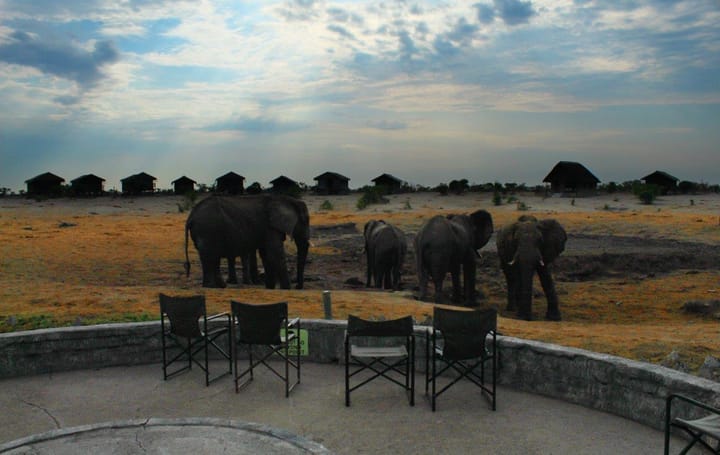
The bushveld tells a different story. In regions like Limpopo and northern KwaZulu-Natal, vegetation begins to thin as the dry season approaches. This is often considered one of the best times for wildlife viewing, as animals gather around shrinking water sources. Early morning game drives, however, can be surprisingly cold, especially in open safari vehicles. Gloves and warm layers make a noticeable difference.
Along the Garden Route, coastal conditions remain relatively mild, though sudden changes are common. A sunny morning in Knysna can give way to mist and drizzle by afternoon. Travellers should remain flexible with plans, allowing room for weather-driven adjustments.
Road conditions also deserve attention. In rural areas, especially after early winter rains, gravel roads can become uneven or slippery. Vehicles should be checked before departure, with particular attention to tyres and brakes. Carrying basic supplies such as water and a torch adds a layer of preparedness that can ease unexpected delays.
Seasonal transitions also influence daylight hours. Shorter days mean less time for long-distance drives, particularly on routes where wildlife may cross roads at dusk. Planning to arrive at destinations before nightfall is a practical approach that enhances safety.
Travelling during this in-between season offers a quieter, more reflective experience. Landscapes soften, crowds thin, and the pace slows just enough to appreciate the journey in a different light.


Comments ()