
Travelling through South Africa: The flora of the different regions
South Africa’s landscapes tell their stories through plants, from the fynbos of the Cape to the forests of the Garden Route and the stark beauty of the Karoo.
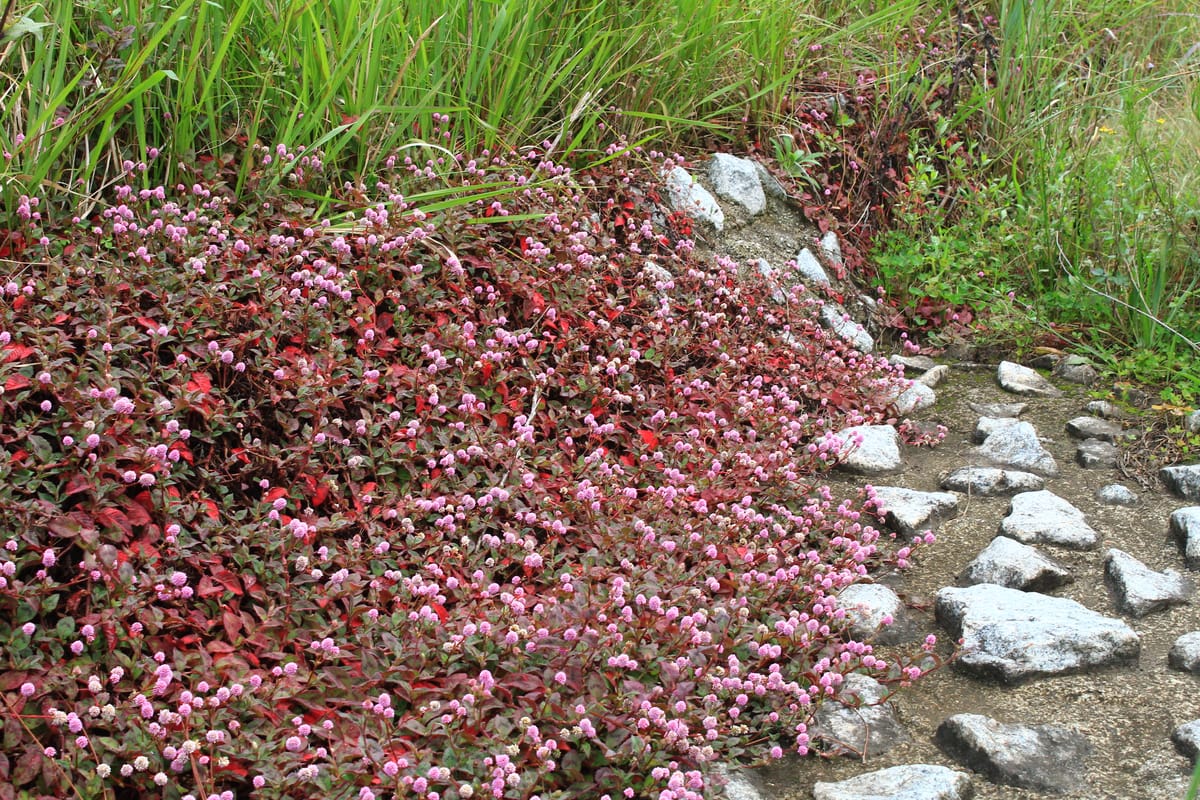
South Africa unfolds like a botanical atlas on the move. From the moment the road leaves the urban sprawl of Gauteng and begins to stretch towards the horizon, the landscape shifts in subtle, then dramatic ways, each region defined by its own living palette.
Heading south along the N1 towards the Western Cape, the terrain gradually softens into the fynbos kingdom, one of the richest floral regions on Earth.
Around the Cederberg and down towards Cape Town, proteas rise proudly above low shrubs, their sculptural forms catching the late afternoon light. Ericas and restios weave through the undergrowth, creating a textured tapestry that changes with the seasons. The air carries a faint herbal scent, especially after winter rains.
Turn east along the Garden Route, where the N2 hugs the coastline between Mossel Bay and Storms River, and the flora thickens into indigenous forest. Here, yellowwood trees tower above, their canopies filtering sunlight into shifting patterns on the forest floor.
Ferns and mosses thrive in the damp understory, fed by mist rolling in from the Indian Ocean. It is a quieter, more enclosed world, where each step feels measured.
Further inland, the Karoo tells a different story. This semi-arid region, stretching across much of the Northern Cape, is defined by resilience. Succulents dominate here, especially during spring when the plains erupt into colour after rain.
Small, hardy plants cling to life between rocks, their muted greens and silvers blending into the dusty earth. The stillness of the Karoo allows travellers to notice detail, the way a single flower stands out against a vast, open backdrop.
In contrast, the Lowveld around Limpopo and Mpumalanga presents a lush, subtropical environment. Driving towards Kruger National Park, the vegetation becomes denser, with marula and mopane trees shaping the landscape.
During summer, the bush thickens into a vibrant green, alive with insects and birds. This is a region where flora and fauna exist in constant interaction, each influencing the rhythm of the other.
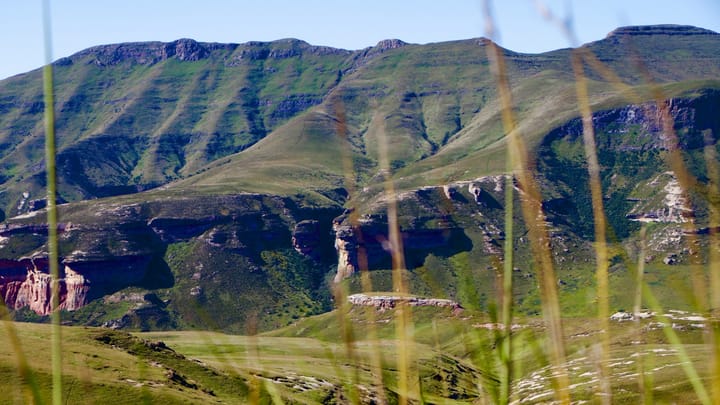
The Drakensberg Mountains add yet another layer. Rising sharply along the eastern escarpment, they host alpine grasslands and rare plant species adapted to cooler conditions. Wildflowers dot the slopes in warmer months, while proteas reappear at higher altitudes, linking the mountains to the Cape in an unexpected botanical thread.
Travelling through South Africa is never just about distance. It is about noticing how the land breathes differently in each region, how plants define not only the scenery but the atmosphere itself.

Comments ()