
The power of perspective: How changing your environment changes your thoughts
Changing your environment, especially in Southern Africa’s open landscapes, can reshape how you think and see the world.
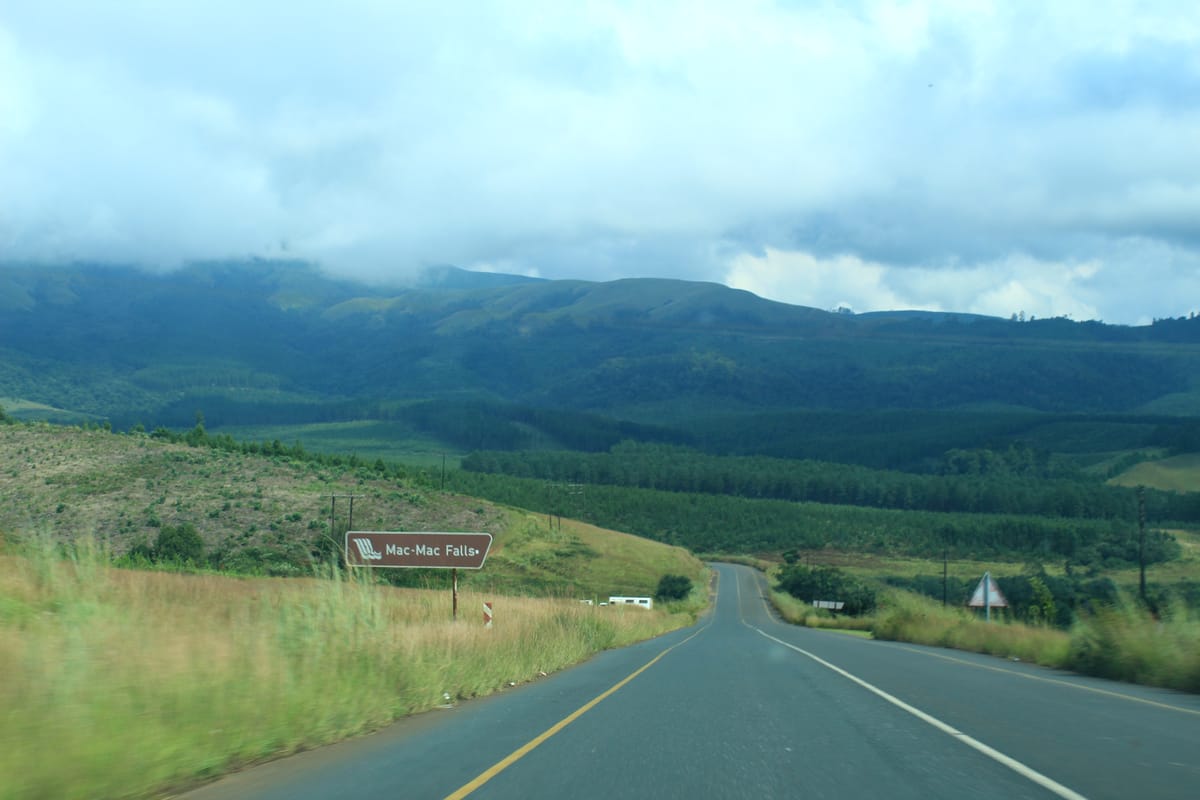
There is a subtle shift that occurs when one leaves the familiar behind. It begins somewhere along the N1 as the city fades, or perhaps on the R532 as the road winds toward the escarpment near Graskop.
The landscape opens, and with it, something internal begins to recalibrate. The environment has a direct influence on thought. Urban settings, with their constant movement and noise, often encourage urgency. Decisions are quick, attention is divided, and the pace rarely slows.
In contrast, the wide horizons of the Karoo or the layered valleys of the Blyde River Canyon introduce a different rhythm. Space allows for reflection, and silence becomes part of the experience rather than something to fill.
Travelling through regions like Limpopo or Mpumalanga offers more than scenic variation. It provides distance from routine patterns. A morning spent watching light move across the Lowveld, or an afternoon paused at a viewpoint above the Three Rondavels, creates a mental shift. Thoughts stretch out, becoming less constrained by immediate demands.
This change is not accidental. Studies in environmental psychology suggest that natural settings reduce cognitive fatigue and improve clarity.
In practical terms, stepping away from screens and structured schedules allows the mind to process ideas more freely. Travellers often find solutions to problems not through active effort, but through the absence of pressure.
Perspective is also shaped by scale. Standing within a vast landscape places individual concerns into context. The expanse of the savannah or the depth of a canyon reminds travellers of a broader world beyond daily routines. This does not diminish personal challenges, yet it reframes them.
Cultural context adds another layer. Interacting with local communities, whether in small towns along the Panorama Route or villages near Hoedspruit, introduces alternative ways of seeing the world. Conversations, even brief ones, can challenge assumptions and expand understanding.
Returning from such journeys often carries a noticeable difference. The environment may change back to urban streets and familiar routines, yet the internal perspective remains altered. Decisions feel more measured, priorities clearer.
Changing environment is not an escape. It is a recalibration. Southern Africa, with its varied landscapes and unhurried spaces, offers an ideal setting for this shift. The journey outward becomes a journey inward, shaped quietly by place.


Comments ()