Windhoek: the history of Namibia’s capital
Windhoek, Namibia’s capital, blends indigenous history, German colonial architecture and modern development into a calm gateway city.

Windhoek sits in central Namibia within the Khomas Highlands at around 1,650 metres above sea level. Its basin setting is surrounded by hills that shape both its climate and identity. The name Windhoek comes from Afrikaans and Dutch, meaning “wind corner”, referencing airflow patterns through the surrounding terrain.
 Mariana Balt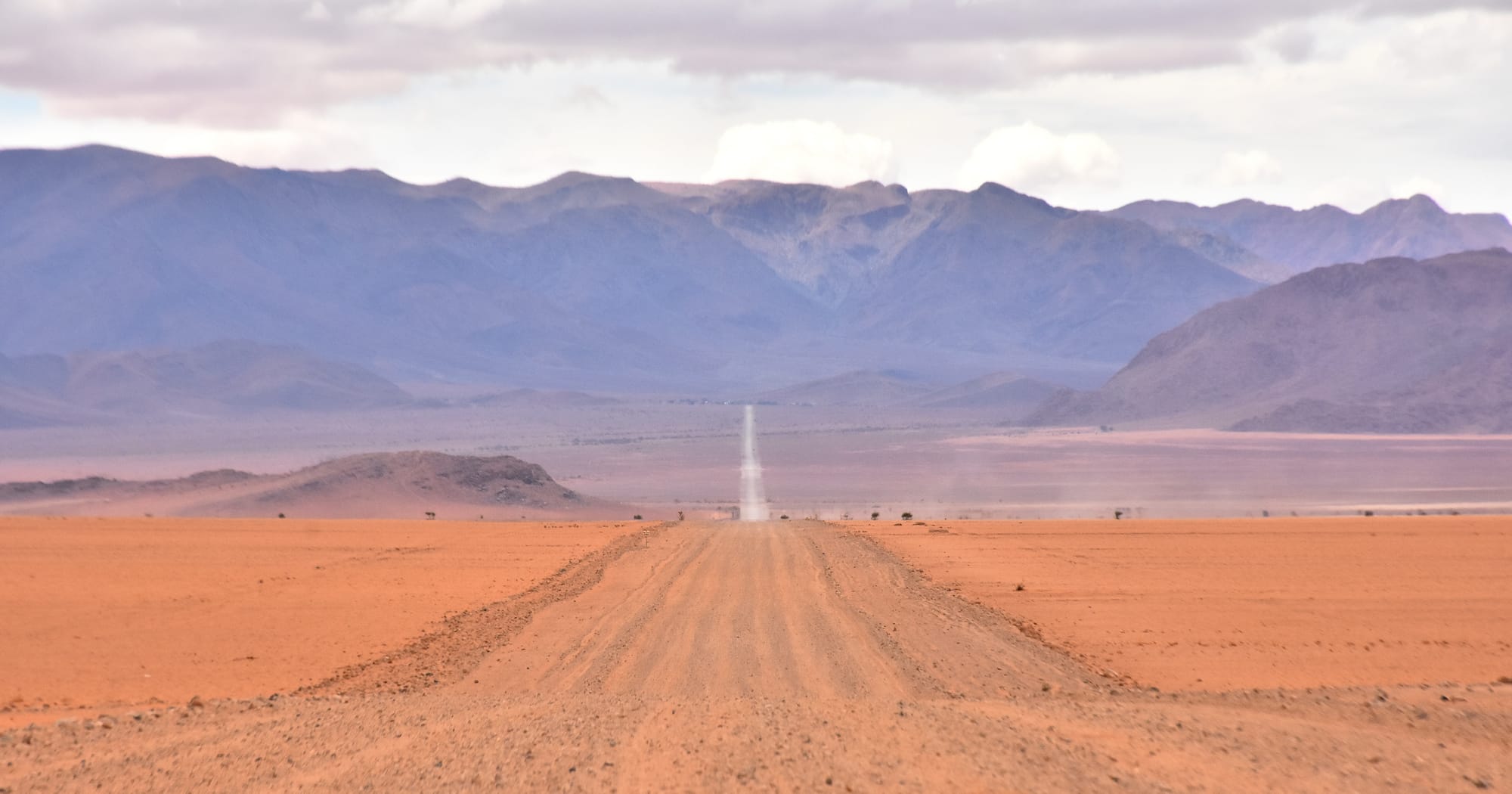
Early settlement in the area dates back to the 1840s when Jonker Afrikaner established a community near natural springs. In 1890, German colonial forces founded a formal administrative centre.
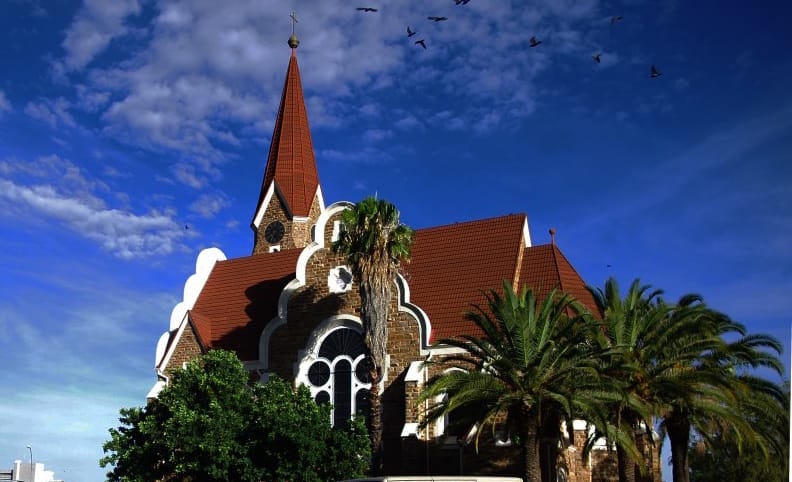
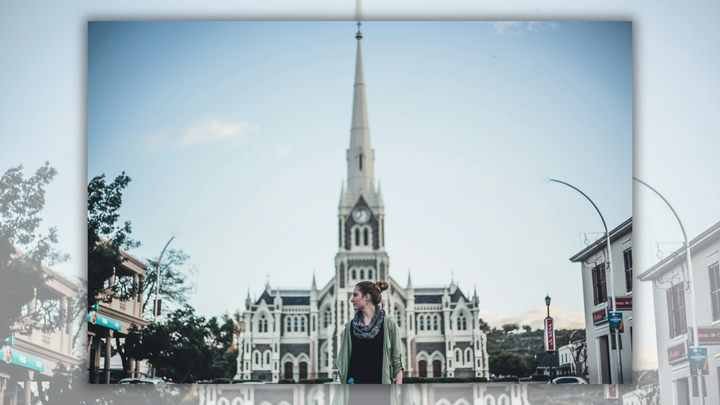
This era left lasting architecture, including Christuskirche and Alte Feste, both key landmarks in the modern city. After the South African administration following World War I, Namibia gained independence in 1990, with Windhoek becoming its capital.
Today, Windhoek functions as the country’s administrative, economic and cultural centre. Independence Avenue connects major civic and commercial zones. The city remains relatively calm compared to other African capitals, with low-rise development shaped by surrounding hills rather than dense vertical expansion.
Windhoek also serves as the starting point for travel routes across Namibia, including Etosha, the Namib Desert and the Kalahari regions. Its identity reflects indigenous heritage, colonial history and modern nation-building. Windhoek’s character is defined by position rather than size, acting as a central gateway to the country’s landscapes.
 Naomi Roebert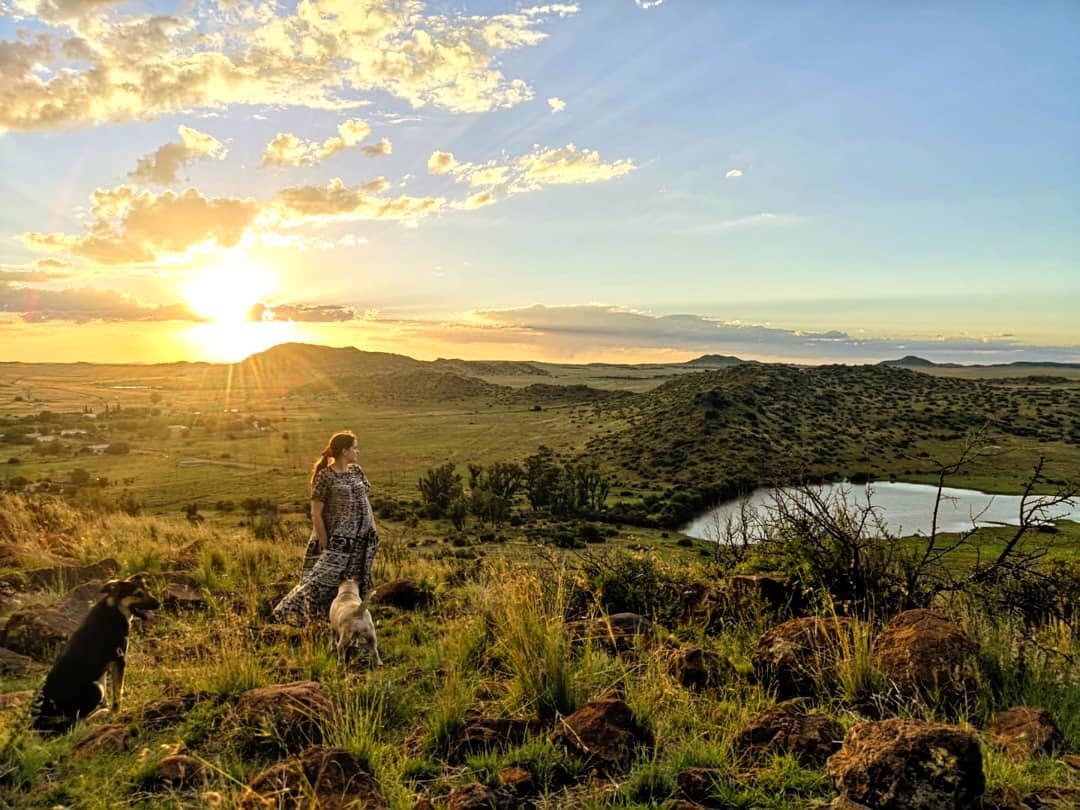
 Liz Thorne

Comments ()