Pretoria has more to offer than government buildings
Pretoria is a city where the country's past and present still meet, often within a few kilometres of each other.



Pretoria often serves as a gateway to other destinations, yet South Africa’s administrative capital offers far more than many travellers expect. Tree-lined streets, historic landmarks and nearby nature reserves create a surprisingly varied destination within easy reach of Johannesburg.
 Mariana Balt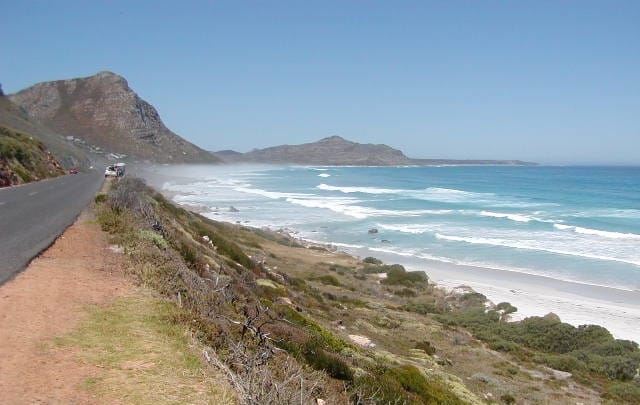
The city's jacaranda trees remain its most famous feature. During spring, thousands of purple blossoms transform entire suburbs into colourful avenues that attract photographers and visitors from across the country.
History enthusiasts can spend hours exploring the Union Buildings, which overlook the city from Meintjieskop. The terraced gardens provide sweeping views, while the site itself reflects an important chapter of South Africa’s story. Nearby, the Voortrekker Monument offers insight into the country's pioneering past.
Nature lies remarkably close to the urban centre. The Rietvlei Nature Reserve protects rhino, buffalo, antelope and abundant birdlife just south of the city. Groenkloof Nature Reserve offers hiking, cycling and wildlife viewing within minutes of central Pretoria.
Families often enjoy a visit to the National Zoological Garden, one of the largest zoos in Africa. The Pretoria National Botanical Garden provides a quieter alternative, combining indigenous vegetation with walking trails and picnic spots.
 Mariana Balt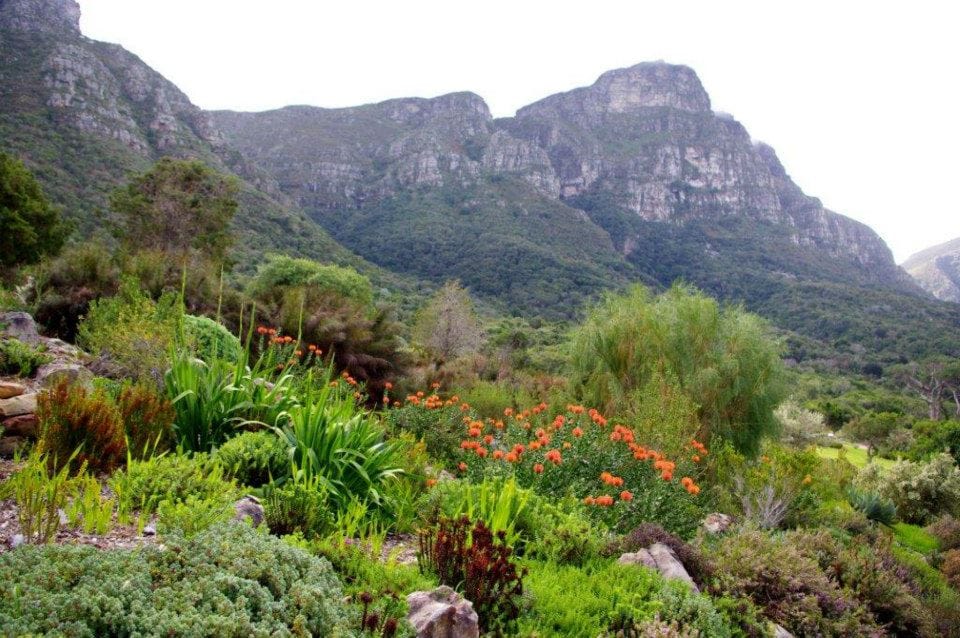
The surrounding region expands the possibilities even further. The Magaliesberg mountain range lies to the west, while the Cradle of Humankind offers world-renowned fossil sites and visitor experiences.
Pretoria also rewards slower exploration. Neighbourhood cafés, weekend markets and cultural attractions create opportunities to experience local life beyond the major landmarks.
For travellers looking for a destination that combines history, green spaces and outdoor activities in one visit, Pretoria proves that South Africa's administrative capital is more than a place of government. It is a city where the country's past and present still meet, often within a few kilometres of each other.
 Naomi Roebert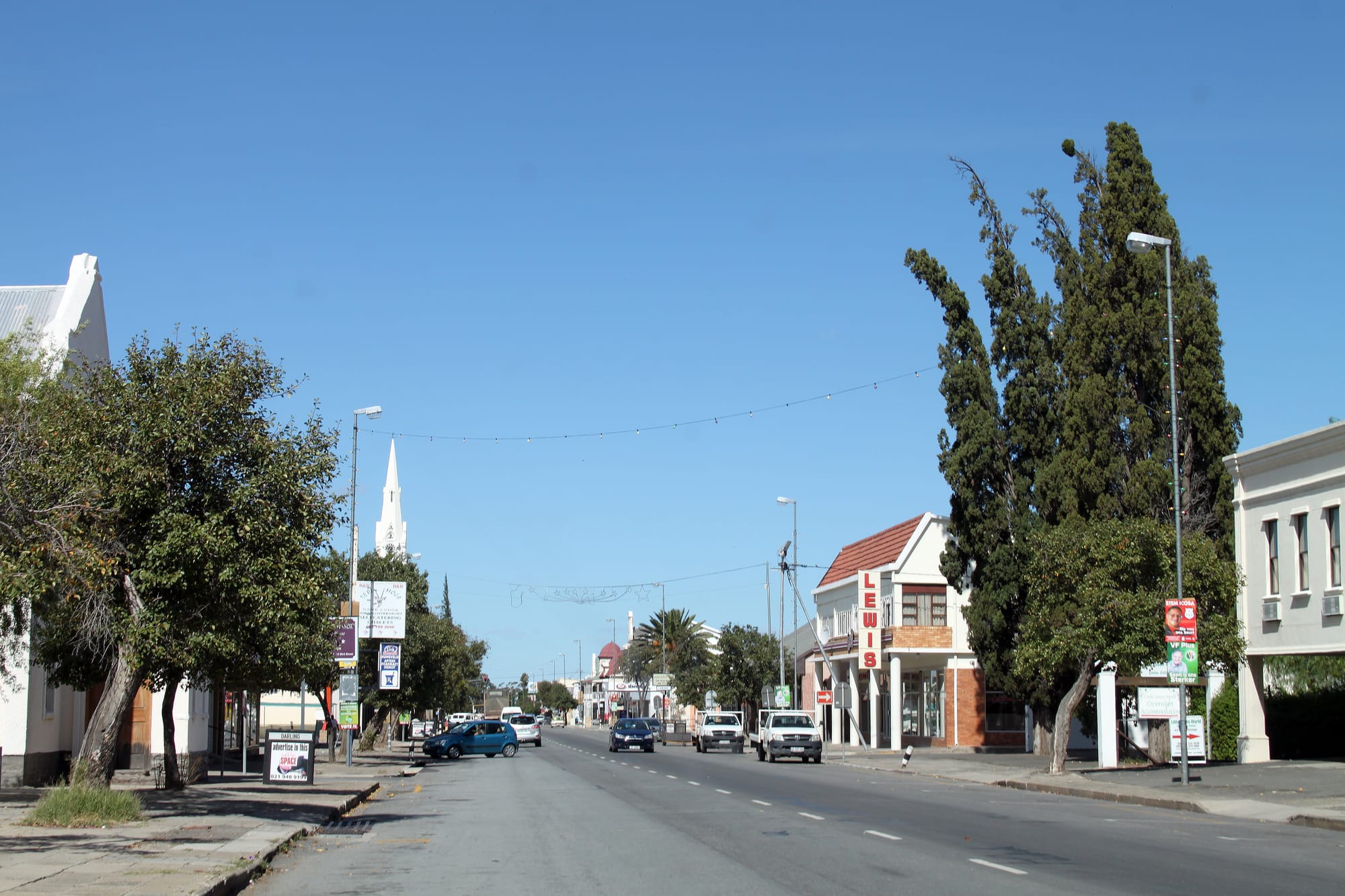
 Lynette Spencer
 Anchen Coetzee
 Liz Thorne


Comments ()