
Gqeberha: Not just the ‘windy city’
Gqeberha offers far more than the nickname "Windy City" suggests.
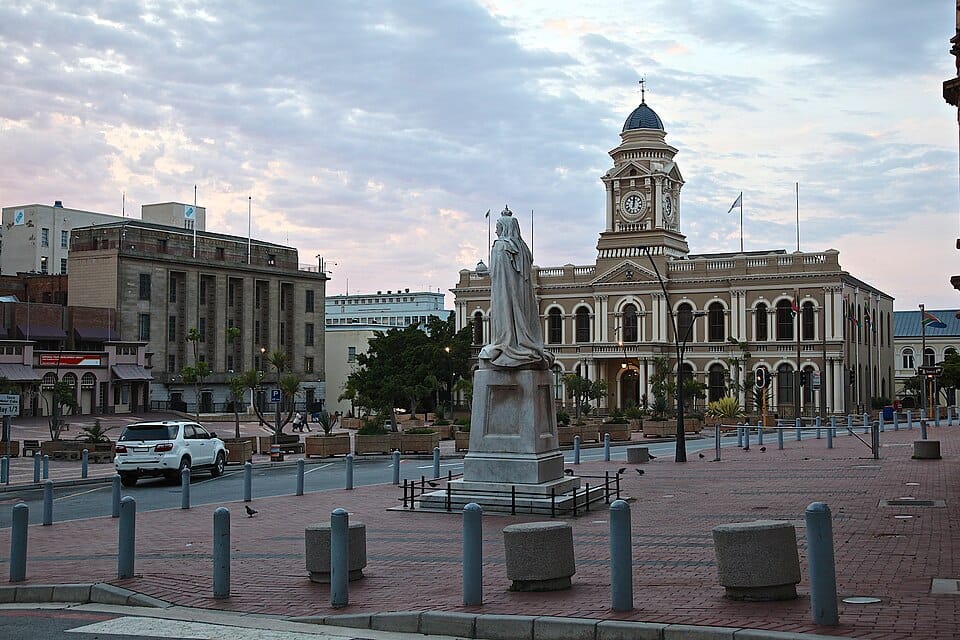


For decades, visitors arriving on South Africa's Sunshine Coast have heard the same nickname. Gqeberha is the "Windy City", a label that has followed the Eastern Cape metropolis through generations of weather forecasts, road trips and holiday conversations.
Yet reducing Gqeberha to its coastal gusts misses the point entirely.
Situated on the shores of Algoa Bay, roughly 770 kilometres east of Cape Town and 1,000 kilometres south of Johannesburg, the city occupies one of the country's most strategically important coastal locations. It serves as a gateway to the Eastern Cape's game reserves, beaches, cultural landmarks and scenic driving routes.
The ocean naturally takes centre stage. Hobie Beach, King's Beach and Pollock Beach attract swimmers, surfers and families throughout the year. Unlike some of South Africa's colder coastal destinations, the waters here remain relatively inviting, particularly during summer.
Dolphins frequently appear offshore, while southern right whales visit the bay during the winter months. Moving away from the beachfront reveals another side of the city. Route 67, an outdoor art and heritage trail, celebrates the legacy of Nelson Mandela through dozens of public artworks spread across the city centre. The nearby Donkin Reserve offers sweeping views across the harbour and tells stories dating back to the earliest colonial settlement of the region.
Nature lies remarkably close to the urban landscape. The Alexandria Dune Field, one of the largest active dune systems in the Southern Hemisphere, sits less than an hour's drive away. To the north, travellers can reach several renowned private game reserves in the Greater Addo region. Addo Elephant National Park itself lies approximately 70 kilometres from the city centre and provides one of the best opportunities in South Africa to see large elephant herds.
The city's location also makes it an ideal base for exploration. The famous Garden Route begins just west of Gqeberha, while the Wild Coast unfolds to the north-east. Few places offer such easy access to dramatically different landscapes.
Food reflects the city's multicultural character. Fresh seafood, traditional Eastern Cape cuisine and modern cafés sit side by side, creating a dining scene that continues to evolve.
The wind certainly remains part of Gqeberha's identity. Surfers appreciate it, sailors rely on it, and residents have learned to live with it. Visitors who spend more than a day here soon discover that the city offers far more than its nickname suggests.
Gqeberha is a coastal destination rich in history, nature and possibility. The wind merely provides the soundtrack.
 Anchen Coetzee
 Naomi Roebert
 Anchen Coetzee
 Liz Thorne


Comments ()