
Sustainable camping in the wilderness: Leave only memories
Camping beneath Southern Africa's star-filled skies comes with a responsibility to protect the places we love.
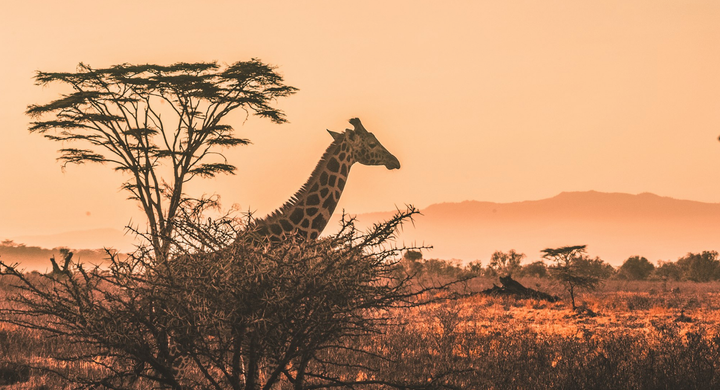
Few experiences rival waking beneath a Southern African sky, with dawn colouring the horizon and birdsong replacing the noise of everyday life. Whether you pitch a tent in the Karoo or spend a night at a designated campsite near Kruger National Park, camping offers an unusually close connection with the outdoors.
That closeness brings responsibility
Wilderness areas are not outdoor living rooms that can absorb unlimited rubbish, noise and human interference. They are habitats with their own rhythms, and visitors need to respect them.
Choose your campsite carefully
Start by booking an authorised campsite or obtaining the necessary permission for the area you plan to visit. Rules differ between national parks, provincial reserves, private properties and community-managed wilderness areas.
In Kruger National Park, visitors must follow SANParks regulations and use designated accommodation and camping facilities. Wild camping is not permitted simply because a quiet patch of bush looks inviting.
Check fire restrictions, water availability, waste facilities and access conditions before departure. Some remote camps offer limited services, so you may need to carry sufficient drinking water and remove your own rubbish.
Consider the weather, too. Summer thunderstorms can affect roads, river crossings and campsites. Never camp in dry riverbeds or other places vulnerable to flash flooding.
Pack lightly and manage waste properly
Reusable plates, cups and cutlery reduce packaging waste. Bring refillable bottles, reusable food containers and durable bags rather than relying on disposable alternatives.
Plan meals carefully to avoid excess food. Store supplies securely, particularly where monkeys, baboons or other wildlife may be present. Never feed animals, even when they appear curious or harmless.
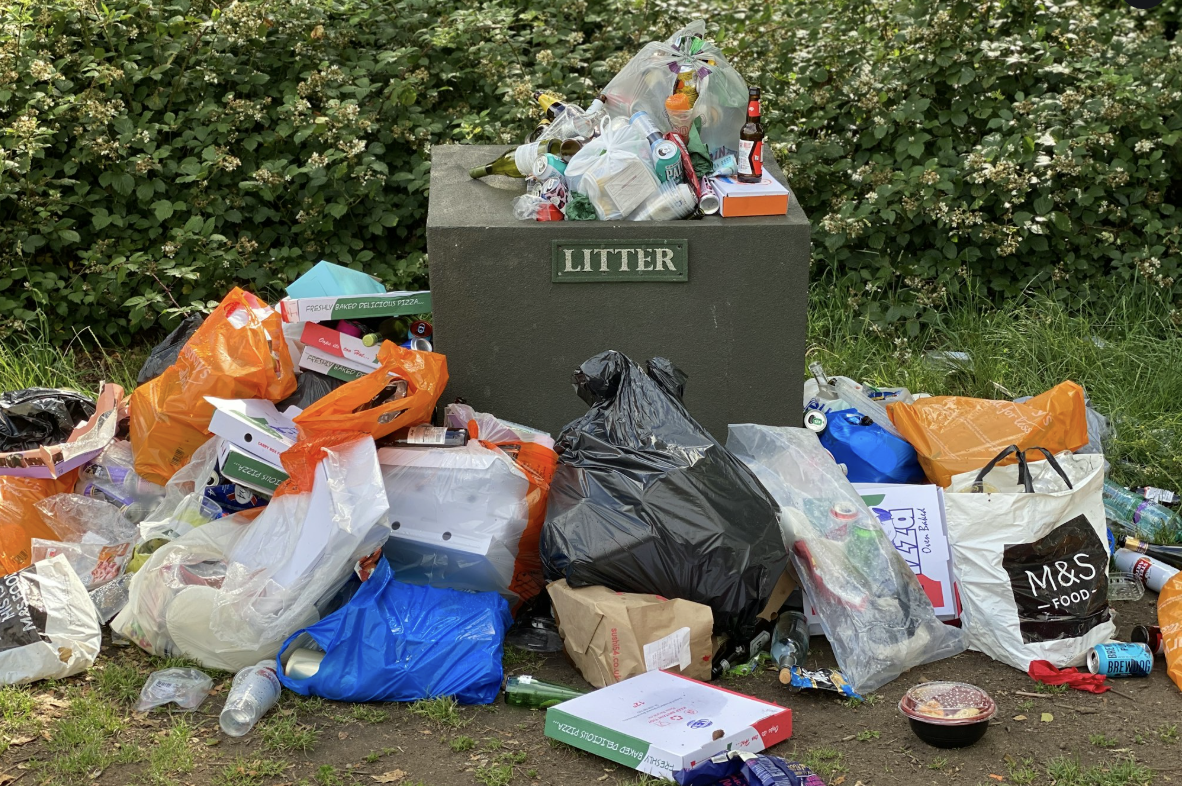
Separate recyclable material where suitable facilities exist, but do not assume remote camps can process everything. Take waste to an appropriate disposal point or carry it out when required.
Toilets and wastewater demand particular care. Use designated facilities wherever available. If an area permits backcountry camping, follow its specific sanitation rules and maintain the required distance from water sources. Never empty washing water, soap or chemical products into streams.
Protect the silence and the wildlife
Sound travels surprisingly far in open landscapes. Keep music low, avoid noisy generators where prohibited and respect other campers' privacy.
Use existing tracks and campsite areas instead of creating new ones. Driving or pitching tents on fragile vegetation can damage habitats long after visitors leave.
Campfires are not universally permitted. Check current restrictions before lighting one, use designated fireplaces and never leave a fire unattended. Extinguish permitted fires completely before leaving or sleeping.
At night, limit unnecessary lighting. A powerful spotlight can disturb wildlife and diminish the experience for fellow campers. Use a torch when needed and keep it directed towards the ground.
In wildlife areas, follow instructions from rangers and campsite staff. Do not approach animals for photographs, and never leave children unsupervised around wildlife.
Leave the place better protected
Sustainable camping is largely about restraint. Use fewer resources, respect boundaries and resist the temptation to collect plants, shells, rocks or other natural souvenirs where removal is prohibited.
Before leaving, inspect the campsite for rubbish, food scraps and forgotten equipment. Report damaged facilities, dangerous conditions or concerning wildlife incidents to the appropriate authority. The reward is a camping experience that feels less like occupying nature and more like being a considerate guest.
A clean campsite and an undisturbed landscape may not produce the most dramatic holiday photograph. They do, however, help ensure that the next visitor can enjoy the same wild morning you came to experience.

Comments ()