
Southern Africa by road: What to expect
Potholes, gravel roads, flooding and long distances between fuel stops can quickly change a road trip. Know what to expect before driving through Southern Africa.
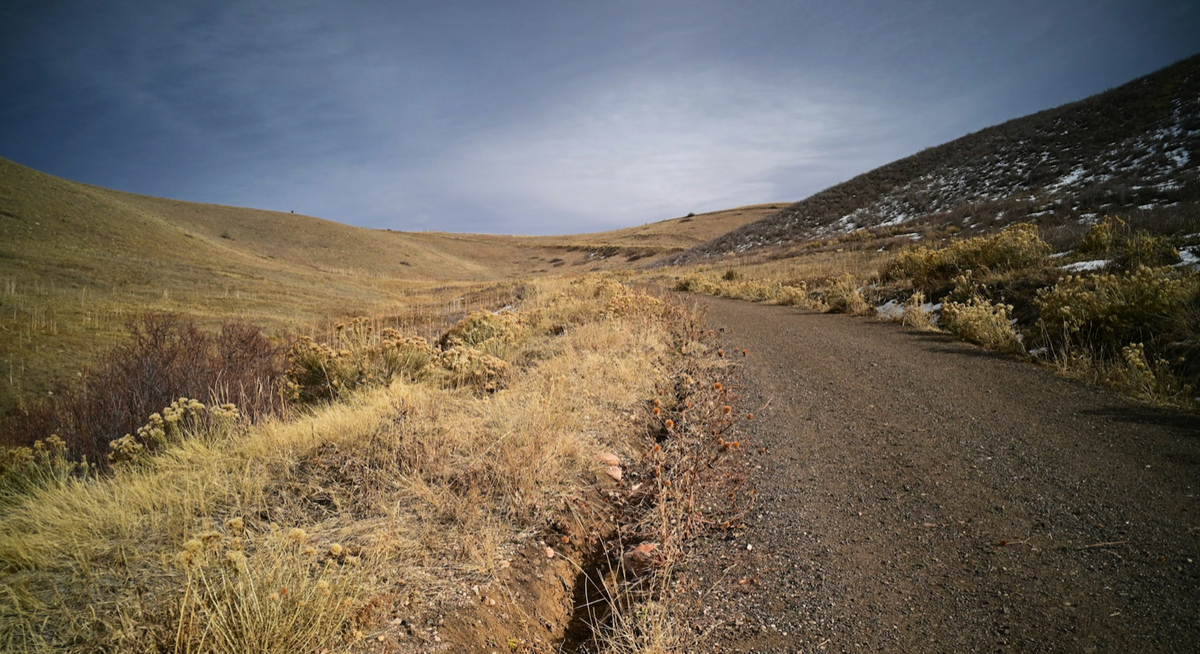
A Southern African road trip can be extraordinary. Road conditions, however, can differ considerably from what a route may suggest on a map. For example, the shortest route on a map is not necessarily the quickest route in real life. A road that appears suitable on a map may include sections of gravel or deteriorated surfaces, while potholes can present a serious risk at higher speeds.
Asphalt is not guaranteed
South Africa has an extensive tarred road network, but travellers should still expect potholes, roadworks, pedestrians, livestock and changing road surfaces.
The Department of Tourism specifically warns visitors about potholes and livestock, while also advising drivers to follow posted speed limits and remain alert. Once you travel beyond major routes, conditions can change quickly.
Botswana illustrates the point particularly well. Routes into areas around the Okavango Delta and Moremi can include gravel and sandy sections, while seasonal flooding can affect accessibility. In 2026, flooding resulted in the temporary closure of Moremi Game Reserve after several routes became inaccessible. Access resumed in April, although some routes remained impassable.
Weather can rewrite the itinerary
Southern Africa's weather is not simply a question of whether you need a jacket. Rain can turn gravel roads into difficult surfaces. Floodwater can close routes entirely. Summer storms can reduce visibility and create hazardous driving conditions.
In remote areas, a road closure can mean more than a detour. It can affect fuel, food supplies and access to accommodation. That is why travellers should check local road conditions before leaving, particularly when driving into parks, reserves or remote regions.
Give yourself time
A common road-trip mistake is planning according to distance rather than driving conditions. Two hundred kilometres on a good highway is not equivalent to the same distance on gravel, sand, mountain passes or roads affected by roadworks. Allow sufficient time between destinations, especially when travelling between rural destinations.
Fuel is part of the route plan
In remote regions, fuel stations can be far apart. Travellers should plan fuel stops in advance, particularly on routes through remote areas. A basic emergency kit, drinking water, a spare tyre and a charged phone are sensible additions to any long-distance journey.
When entering a wildlife area, follow the rules of the relevant park or reserve, remain inside the vehicle where required and maintain a safe distance from wildlife.
A little preparation before setting off can prevent a road trip from becoming memorable for all the wrong reasons. Conditions can change, routes can take longer than expected and plans may need to change along the way, but knowing that before you leave makes it far easier to deal with when it happens.
 Lynette Spencer
 Anchen Coetzee
 Naomi Roebert
 Liz Thorne


Comments ()