
Your holiday can help save wildlife: How to contribute to conservation
Discover how park visits, community-owned businesses, responsible volunteering and considerate behaviour can contribute to conservation across Southern Africa.
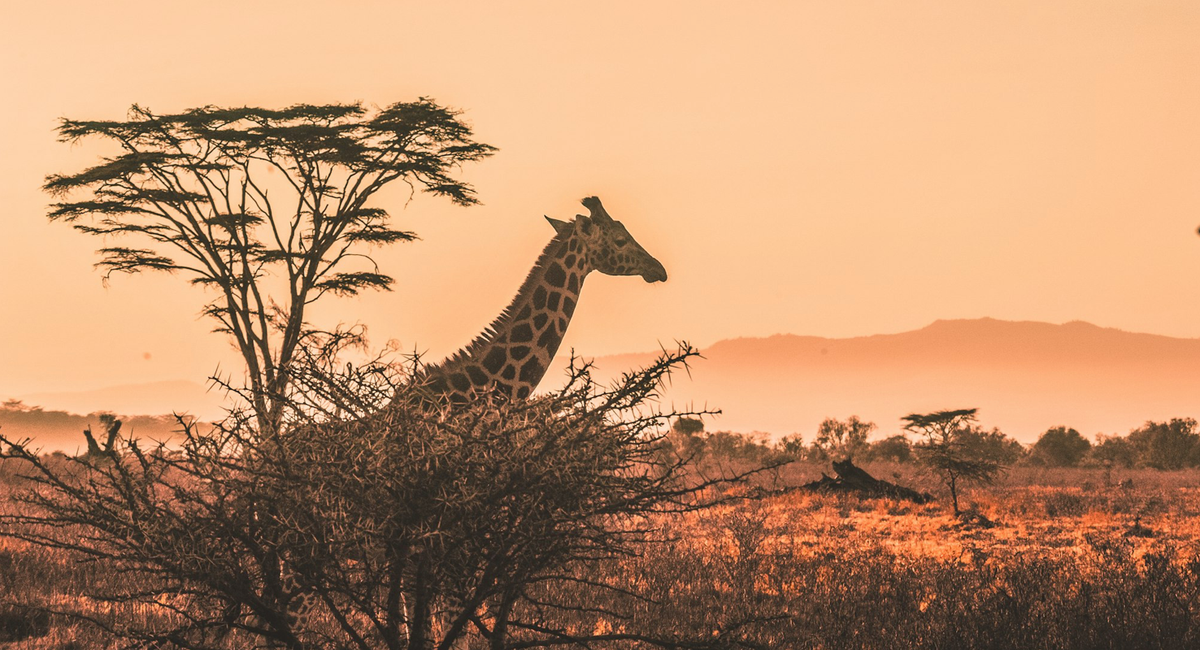
A safari can change the way you see the natural world. One moment, an elephant herd crosses a dusty road; the next, the smallest bird call draws your attention to a tree you might otherwise have ignored. These encounters are unforgettable, but a holiday can offer more than photographs and stories.
With a little thought, your spending, choices and behaviour can contribute to conservation across Southern Africa.
Put your park fees to good use
Protected areas need funding for much more than keeping gates open. Conservation authorities must manage habitats, monitor wildlife, maintain infrastructure, control invasive plants and address threats such as poaching.
South Africa's national parks protect diverse ecosystems, from the dry landscapes of the Kgalagadi Transfrontier Park to the coastal habitats of the Garden Route National Park. Visitor spending helps sustain tourism operations within these protected landscapes.
When planning a safari, consider staying inside a national park or choosing a reputable lodge that can explain its conservation contributions. Park entry fees, accommodation charges and guided activities all form part of the tourism economy. SANParks outlines its conservation responsibilities and the role of protected areas in safeguarding natural heritage on its official conservation pages.
Choose experiences that benefit local people
Conservation becomes more sustainable when nearby communities benefit from protecting natural resources. Tourism can create jobs for guides, hospitality staff, drivers, artisans and other local entrepreneurs.
Consider booking a guided walk, buying crafts directly from their makers or eating at a locally owned restaurant. Community-run tourism projects can offer insights into regional history, food traditions and relationships with the land.
These experiences need not involve a large donation. Sometimes, spending money with a small business rather than an international chain makes a useful contribution to the local economy. Ask tour operators how they support nearby communities. Look for specific explanations rather than vague claims about giving back. Responsible businesses should be able to describe their partnerships and the benefits they provide.
Volunteer carefully and avoid wildlife shortcuts
Some travellers want to do more than observe. Legitimate conservation projects may offer opportunities to support habitat restoration, environmental education, research logistics or supervised clean-ups.
However, not every programme marketed as conservation work benefits wildlife. Be cautious about projects promising close contact with lion cubs, elephant interactions or opportunities to handle wild animals for photographs.
Before booking a volunteer experience, investigate who manages the project, what qualifications its staff hold and how it measures results. Ask whether visitors perform work that requires specialist skills or could displace local employment.
Wildlife research and rehabilitation need appropriate expertise, permits and animal-welfare safeguards. A responsible visitor respects those boundaries rather than treating every encounter as an entitlement.
Small actions matter on safari
Your behaviour can help protect the places you visit. Remain inside your vehicle where required, keep a safe distance from animals and never feed wildlife. Human food can alter animal behaviour and create dangerous encounters.
Stay on permitted roads and trails, follow your guide's instructions and keep noise low. Take rubbish away when appropriate, conserve water and avoid purchasing products made from threatened wildlife.
Photography also carries responsibilities. Never pressure a guide to approach an animal dangerously for a better picture. The welfare of the subject matters more than the photograph.
Leave with more than memories
Conservation is not always dramatic. It can mean supporting a ranger's work, protecting a fragile dune system or helping a local business remain viable. The next time you watch a rhino grazing or hear cicadas rise around a bushveld camp, consider the people and resources needed to keep that landscape alive.
A holiday cannot solve every conservation challenge. Yet thousands of thoughtful visitors can help make nature worth protecting, both economically and culturally. That is a contribution worth making.

Comments ()