
Winter is Kruger time: how recent floods have reshaped South Africa’s iconic park
Kruger’s winter safari season remains one of South Africa’s finest, even after the powerful 2026 floods reshaped roads, camps and landscapes.
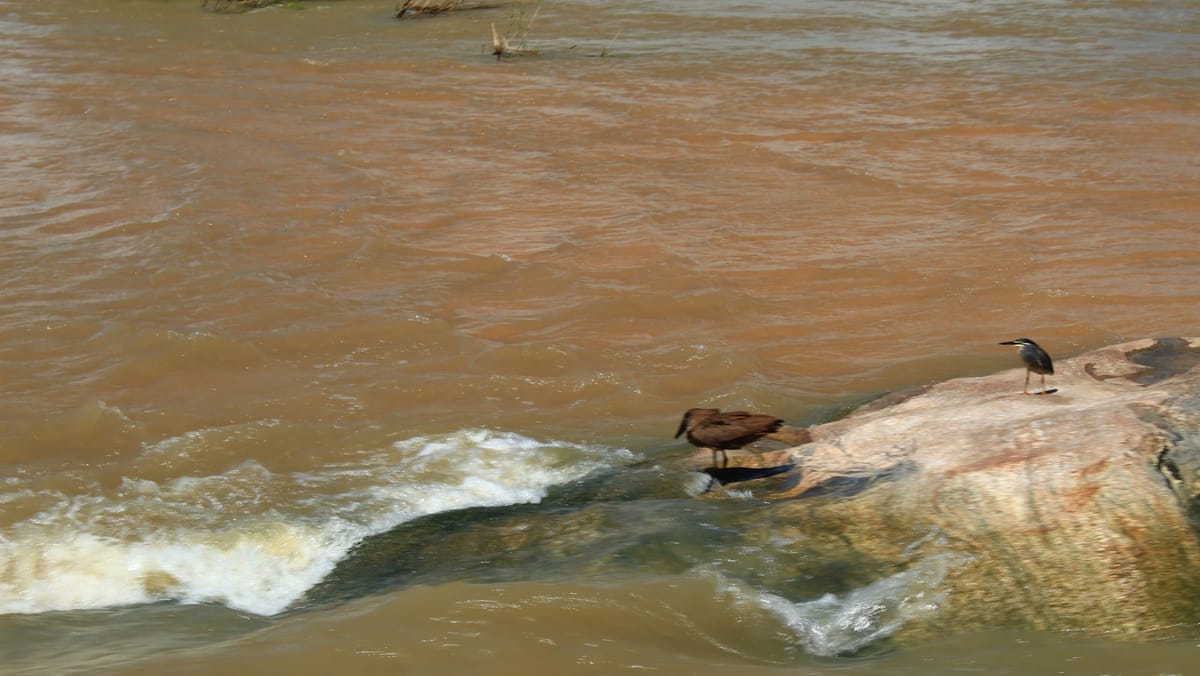
Winter has always been Kruger season. As the bush thins, grasses fade, and animals gather more predictably around water, South Africa’s great national park usually enters its most rewarding safari window.
Yet winter 2026 arrived with a different backdrop. Following the devastating January floods, among the most disruptive weather events the park has faced in decades, Kruger is entering peak travel season not untouched, but reshaped.
This was not routine summer rain. Torrential flooding battered major sections of the park, particularly central and northern Kruger, damaging bridges, washing out roads, submerging camps and forcing temporary closures across key tourism zones.
Early in the year, access to parts of the north was severely restricted, while routes such as Orpen to Satara and several gravel roads became logistical challenges rather than leisurely game drives.
SANParks has since reopened large portions of the park in phases, but some infrastructure recovery continues, with travellers needing to plan more carefully than in previous winters.
For winter visitors, the southern sector remains the easiest and most reliable choice. Skukuza, Lower Sabie and Crocodile Bridge continue to offer strong wildlife viewing, and many of the southern tar roads are operational, although selected gravel routes may still face restrictions or detours depending on ongoing repairs and weather shifts.
The central region, including Satara and Olifants, is increasingly accessible again, but road conditions can differ significantly from one route to another. In the north, areas around Letaba, Shingwedzi and Mopani are reopening progressively, though some bridges and facilities remain in staged recovery.
Letaba, for example, is functioning but still undergoing phased restoration through much of 2026. What floods damaged for tourists, however, they also revitalised ecologically. Rivers such as the Sabie, Olifants and Letaba surged through old channels, reshaping banks and restoring floodplains. Vegetation is thicker, landscapes greener, and grazing richer than in many recent dry years.
This can make predator spotting slightly harder in some sections, but it also means Kruger feels unusually alive. Elephant herds are thriving on renewed browse, birdlife is prolific, and water systems have been dramatically refreshed. There is another factor making winter 2026 especially meaningful: Kruger celebrates its centenary this year, marking 100 years since its proclamation as South Africa’s first national park.
Visiting now is not simply about ticking off lion sightings. It is about witnessing a legendary conservation landscape in recovery, resilience and renewal. Kruger this winter may require route flexibility, SANParks updates and perhaps a little patience. Yet the reward remains immense.
The lions still patrol Satara’s plains, leopards still haunt riverine shadows, and dawn over the Lowveld still glows gold. Floods have changed the map, but not the magic.

Comments ()