
Wild camping, yes or no?
Wild camping can be deeply rewarding, offering freedom, solitude, and a closer connection to nature, but it also comes with responsibilities around safety, legality, and environmental impact.
🔴 You might also like to read:
 Mariana Balt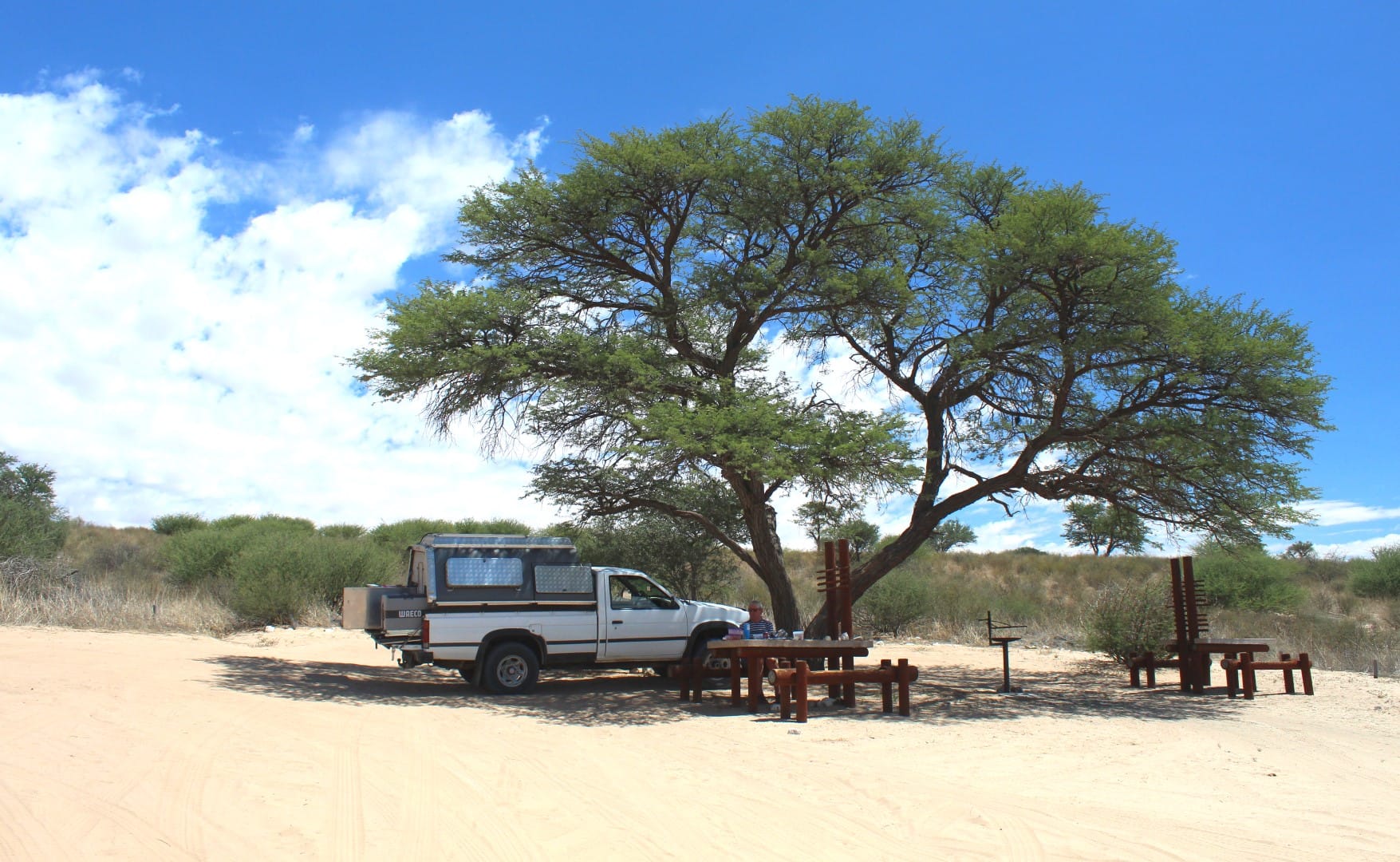
Wild camping occupies a curious space in Southern African travel culture. It invites visions of a quiet rise of dawn light over the Mopani veld, the call of a fiery-necked nightjar fading as the first francolins stir. It also raises questions about safety, legality, and the practical realities of spending a night away from established campsites.
The question is never answered in a single sentence because the experience is shaped by terrain, season, park rules, and the expectations of the traveller. The decision becomes a balance between freedom and responsibility, between romance and realism.
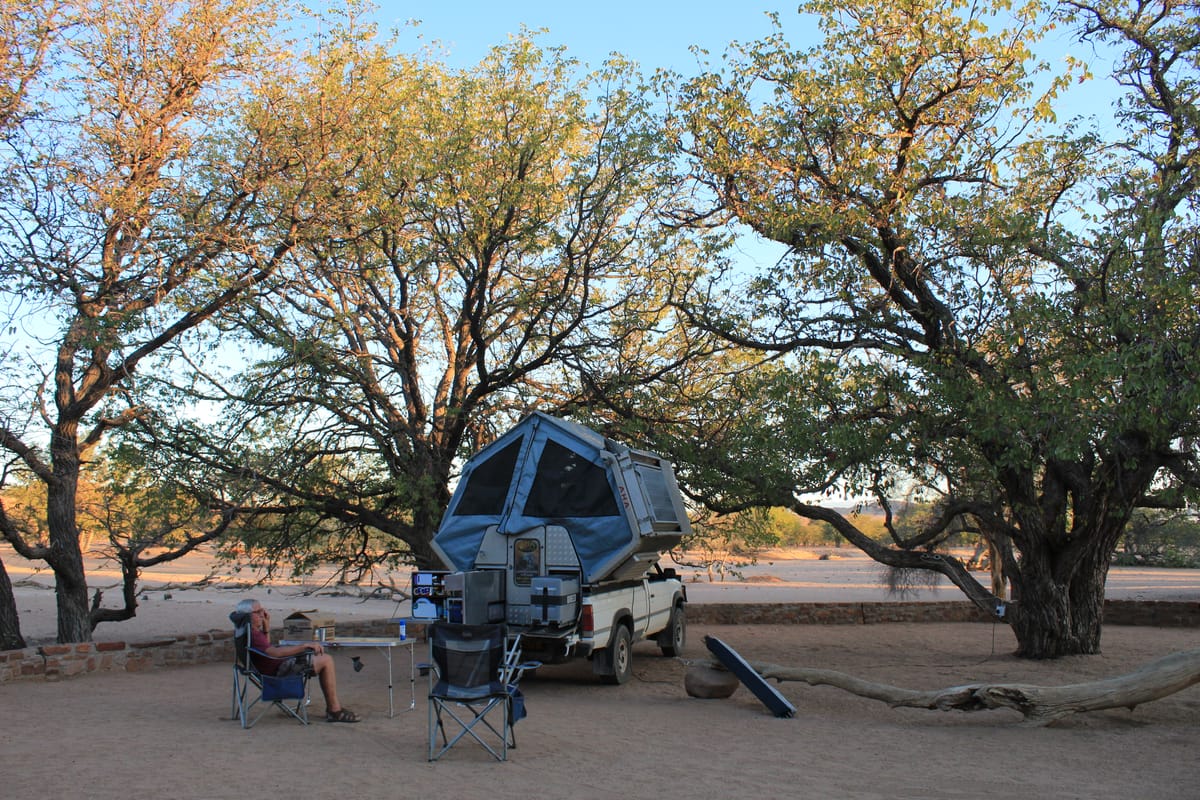
Travellers drawn to wild camping often look to regions where a sense of solitude is still possible. Northern Botswana has become a reference point for this, especially the areas near Khwai, Savuti, and the Mababe Depression. Designated wilderness campsites exist along these routes, yet many visitors describe them as close to wild camping, with no fences, no ablution blocks, and minimal facilities.
The appeal lies in the proximity to wildlife, although this same proximity requires calm judgement and sound preparation. Elephants frequently cross between the Khwai River floodplains and the woodlands, lions patrol the Savuti Marsh, and spotted hyenas often investigate the scent of anything left outside.
These are predictable patterns, well documented by guides who work in the region. The challenge comes from navigating the early evening and early morning hours when animals are most active.
South Africa offers a different perspective. True wild camping is generally not permitted inside national parks or provincial reserves, although remote campsites with few amenities exist in parks such as Kgalagadi and Ndumo.

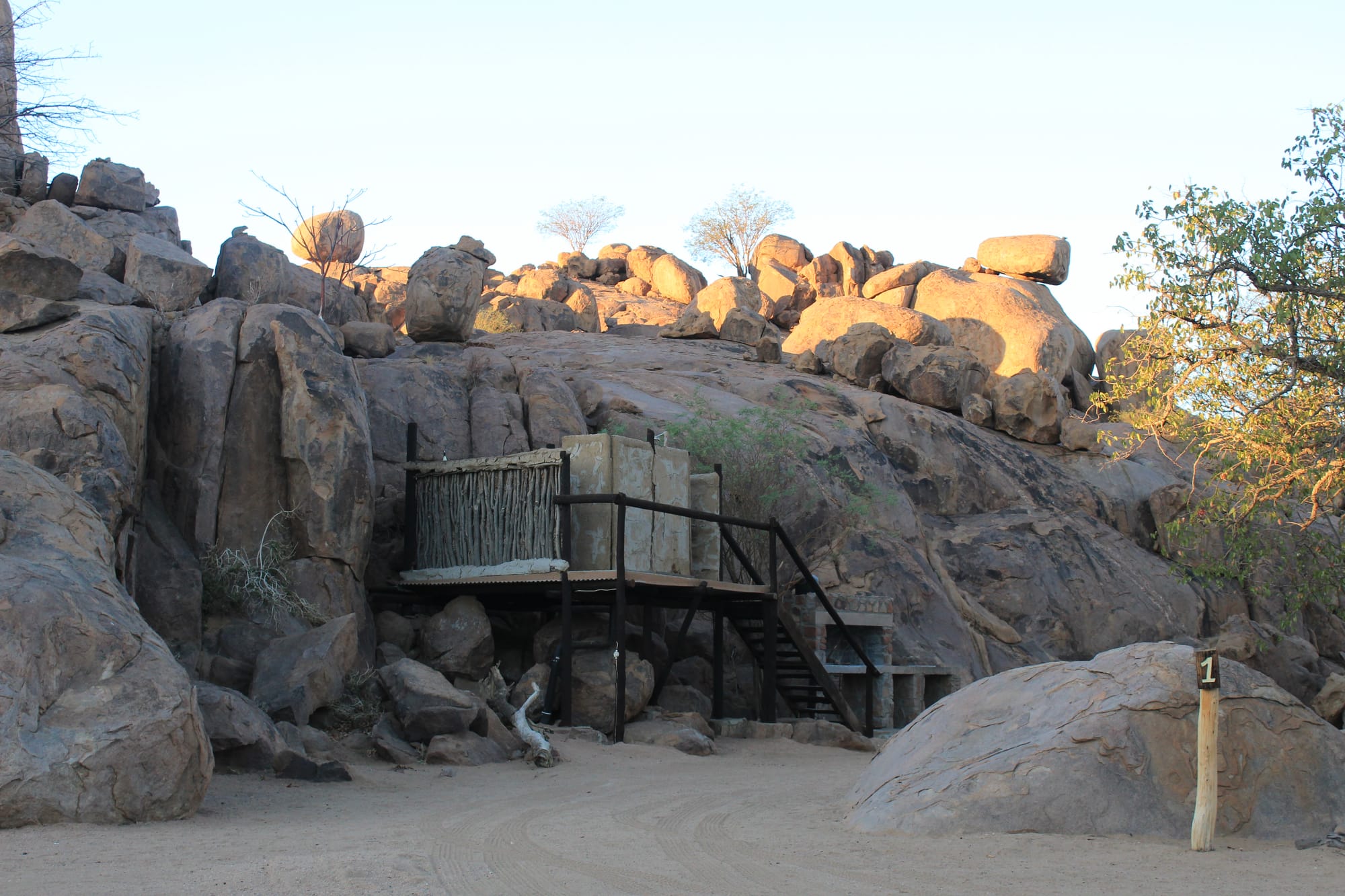
Travellers planning a night near the lower Orange River often refer to wild camping, yet much of this takes place on private land where permission is required. Regions near Pofadder, Onseepkans, and the Richtersveld create the illusion of boundless freedom.
The reality remains tied to local land tenure and natural constraints. The river corridor supports fragile ecosystems, and weather conditions shift quickly when strong berg winds move across the Northern Cape.
Zimbabwe sits somewhere between the two. Certain parts of Mana Pools permit exclusive-use campsites that feel almost untouched. The Zambezi River creates a natural boundary that shapes wildlife movement, particularly elephants that follow the long-established routes between the riverine forests and inland pans.
Visitors often describe nights when hippos graze within metres of their tents. This is a normal occurrence near the Nyamepi area and the floodplain tracks that run east toward Chisasiko. The experience is powerful and memorable, although it requires a clear understanding of animal behaviour and personal limits.
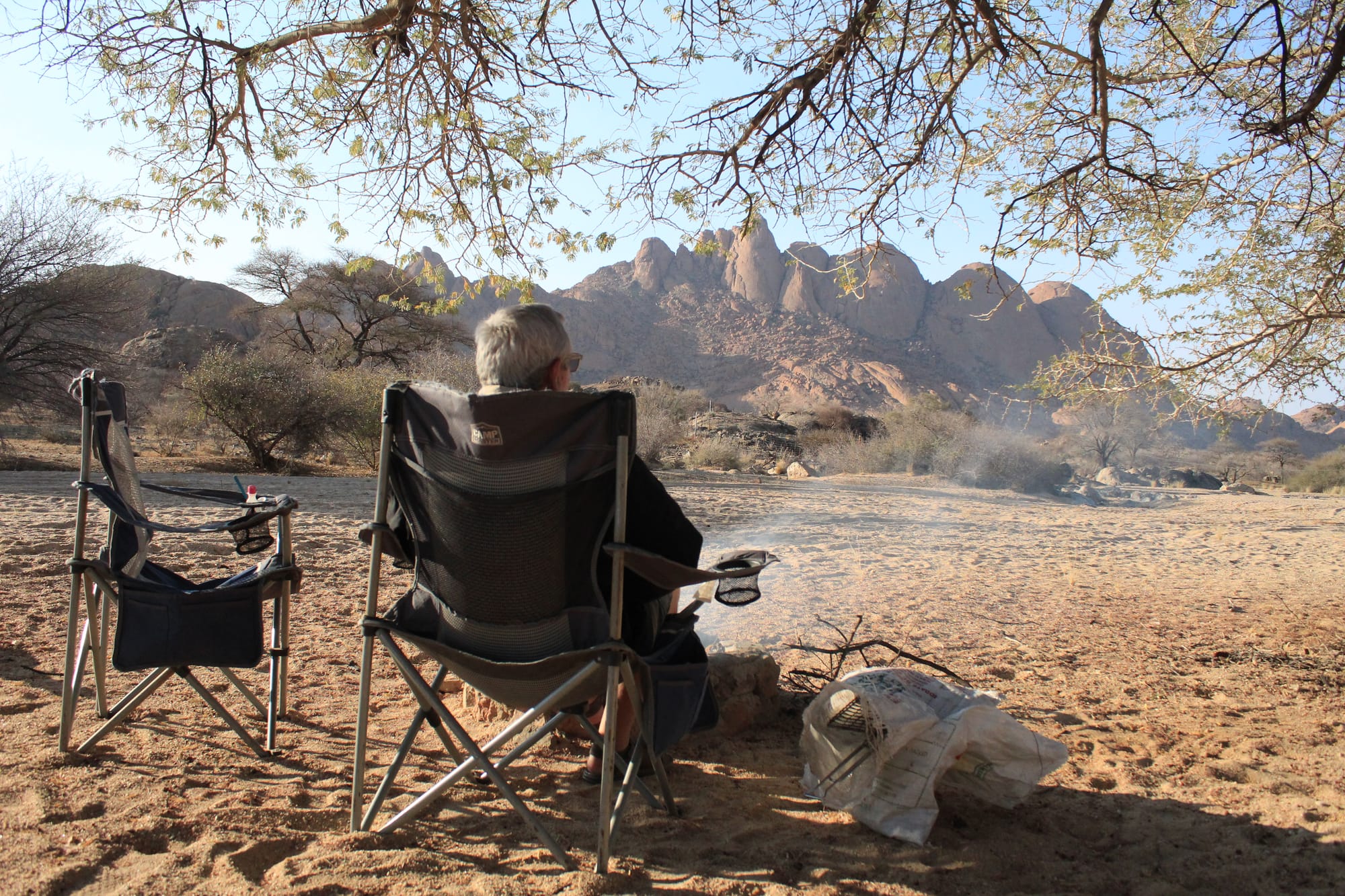
The safety debate forms a significant part of the question. Travellers with experience in reading tracks, understanding animal body language, and setting up camp with minimal intrusion tend to feel more confident in remote locations.
Wild camping can be deeply rewarding, offering freedom, solitude, and a closer connection to nature, but it also comes with responsibilities around safety, legality, and environmental impact. Choosing whether to camp wild or in designated areas ultimately depends on preparation, respect for the place, and an honest understanding of your own comfort levels.
🔴 You might also like to read:
 Mariana Balt
🔴 You might also like to read:
 Mariana Balt

Comments ()