
Travelling through the Karoo: must-visit destinations on an itinerary
A road trip through the Karoo reveals far more than a stretch of highway between Johannesburg and Cape Town.

🔴 You might also like to read:
 Mariana Balt
There is a moment on the N1, somewhere south of Colesberg, when the landscape opens like a held breath. The Highveld thins into vast plains, koppies rise in soft blue silhouettes, and the sky seems to stretch further than logic allows.
The Karoo begins gradually, then all at once. For travellers moving between Johannesburg and Cape Town, this semi-desert heartland is often treated as a corridor. It deserves far more time.
Let’s start our journey from Colesberg, roughly 650 kilometres from Johannesburg and 870 kilometres from Cape Town along the N1. This Northern Cape town, founded in 1830, carries the quiet dignity of wide streets and whitewashed buildings.
The Colesberg-Kemper Museum offers context on Anglo-Boer War history, while Gariep Dam, 50 kilometres north, provides South Africa’s largest reservoir and a reminder of the engineering that sustains life in this dry interior. Responsible travellers will find several guesthouses that prioritise water-wise gardening and solar power, a practical commitment in a region defined by scarcity.
From Colesberg, the N1 threads south towards Beaufort West, a distance of about 300 kilometres. This is the gateway to the Great Karoo and to Karoo National Park, located just outside town.
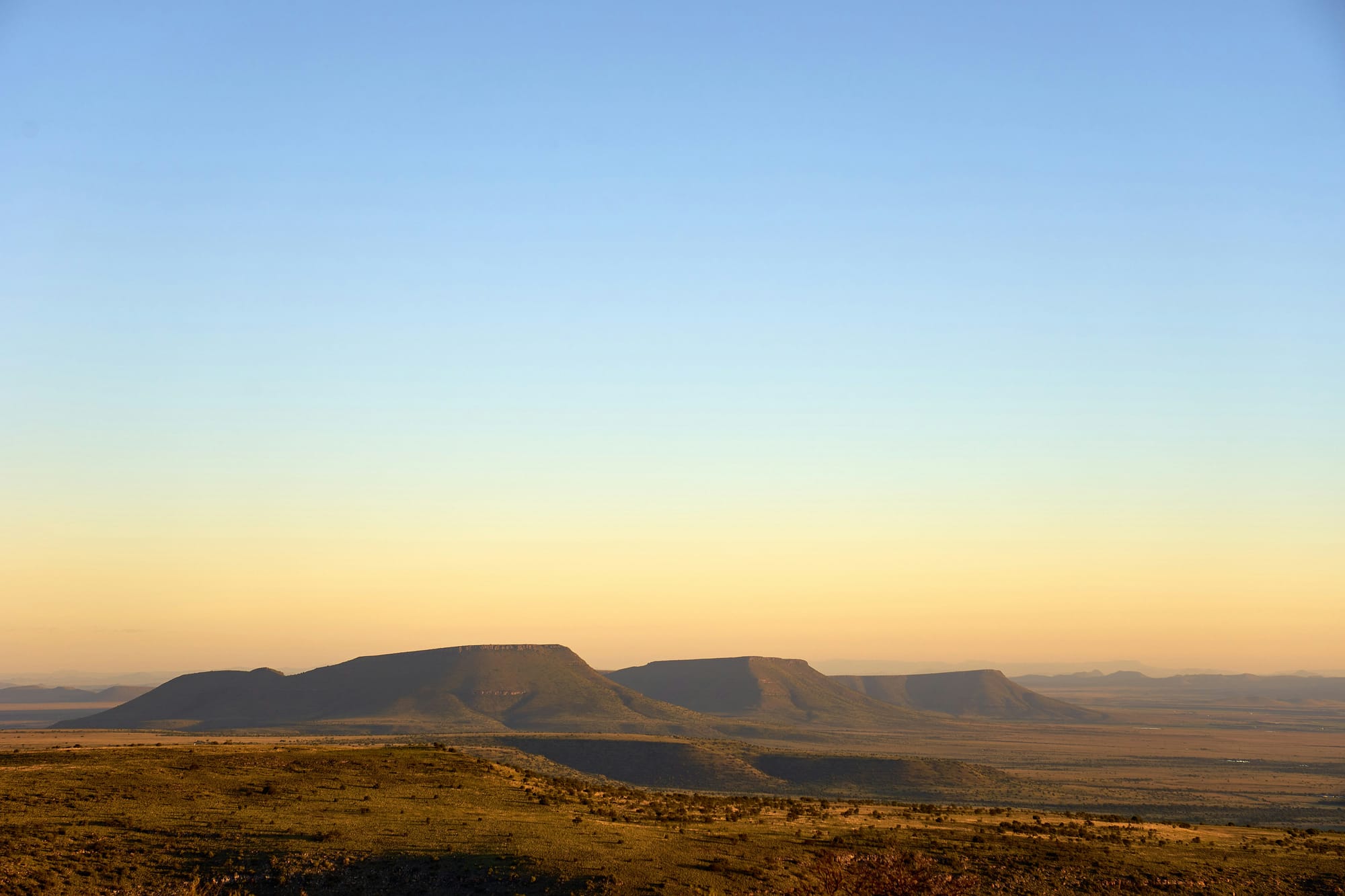
Established in 1979, the park protects over 750 square kilometres of fragile veld and escarpment. Here, black rhino, Cape mountain zebra and bat-eared fox move across plains framed by the Nuweveld Mountains. Gravel loops such as the Klipspringer Pass reveal fossil-rich rock formations and salt pans that glow pink at dusk.
SANParks has invested in responsible tourism practices, from controlled game drives to careful water management, ensuring that visitors tread lightly in a landscape shaped over millions of years.
Continuing south, the R61 leads to Graaff-Reinet, approximately 200 kilometres from Beaufort West. The road cuts through the Camdeboo plains, where windmills punctuate the horizon and merino sheep graze on hardy shrubs.
Graaff-Reinet, South Africa’s fourth-oldest town, is defined by its Cape Dutch architecture and its position within a horseshoe bend of the Sundays River. The Valley of Desolation in Camdeboo National Park rises just outside town, with dolerite columns towering up to 120 metres above the valley floor. Sunset here reveals the geological drama of the Karoo, while interpretive boards explain the volcanic forces that shaped these formations 100 million years ago.
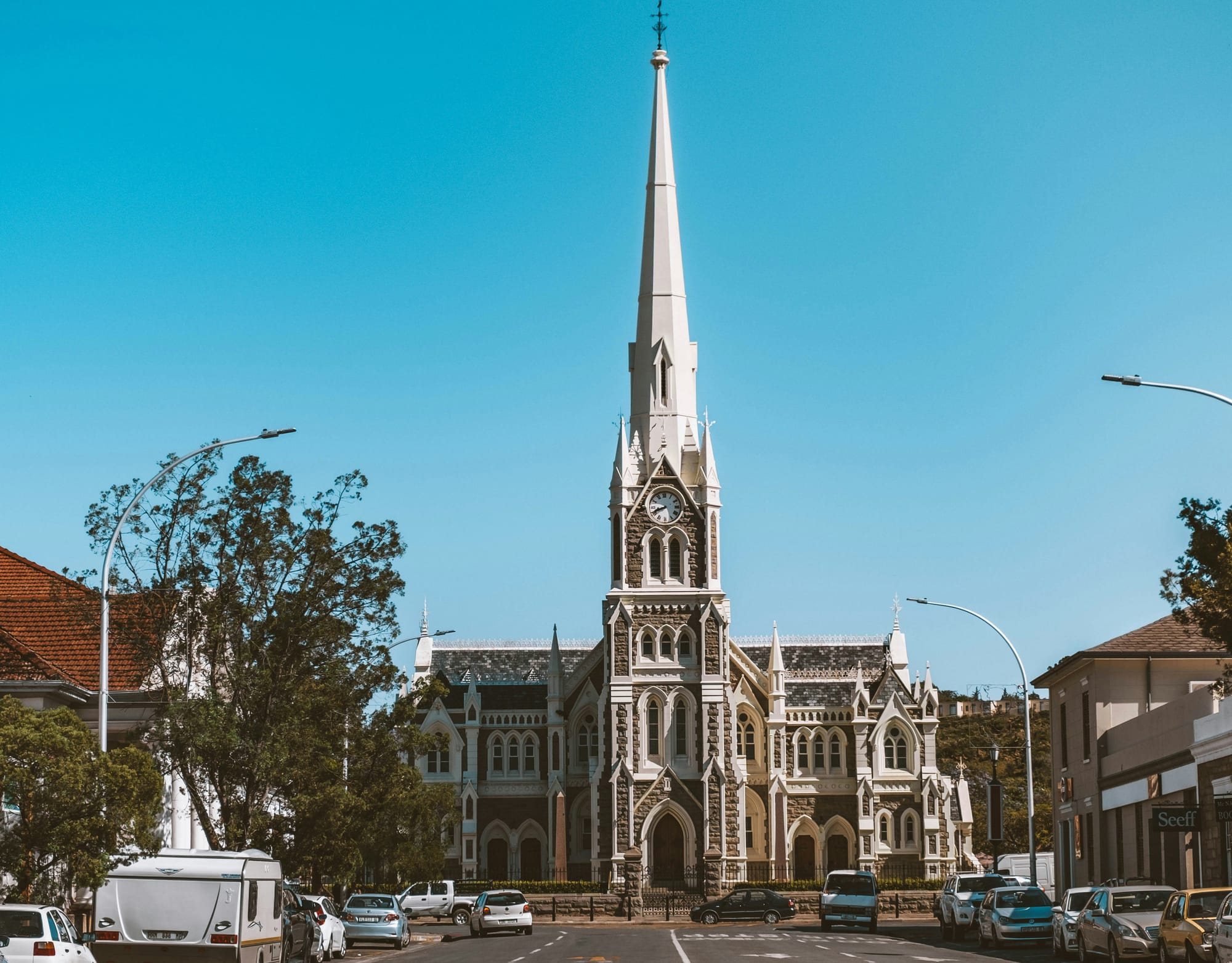
Local restaurants serve Karoo lamb sourced from nearby farms, and many establishments now champion ethical meat production and reduced food miles.
From Graaff-Reinet, one can turn west along the R63 and R62 towards Prince Albert, a journey of roughly 340 kilometres if taken via Aberdeen and Willowmore, or slightly shorter via the N9 and R407.
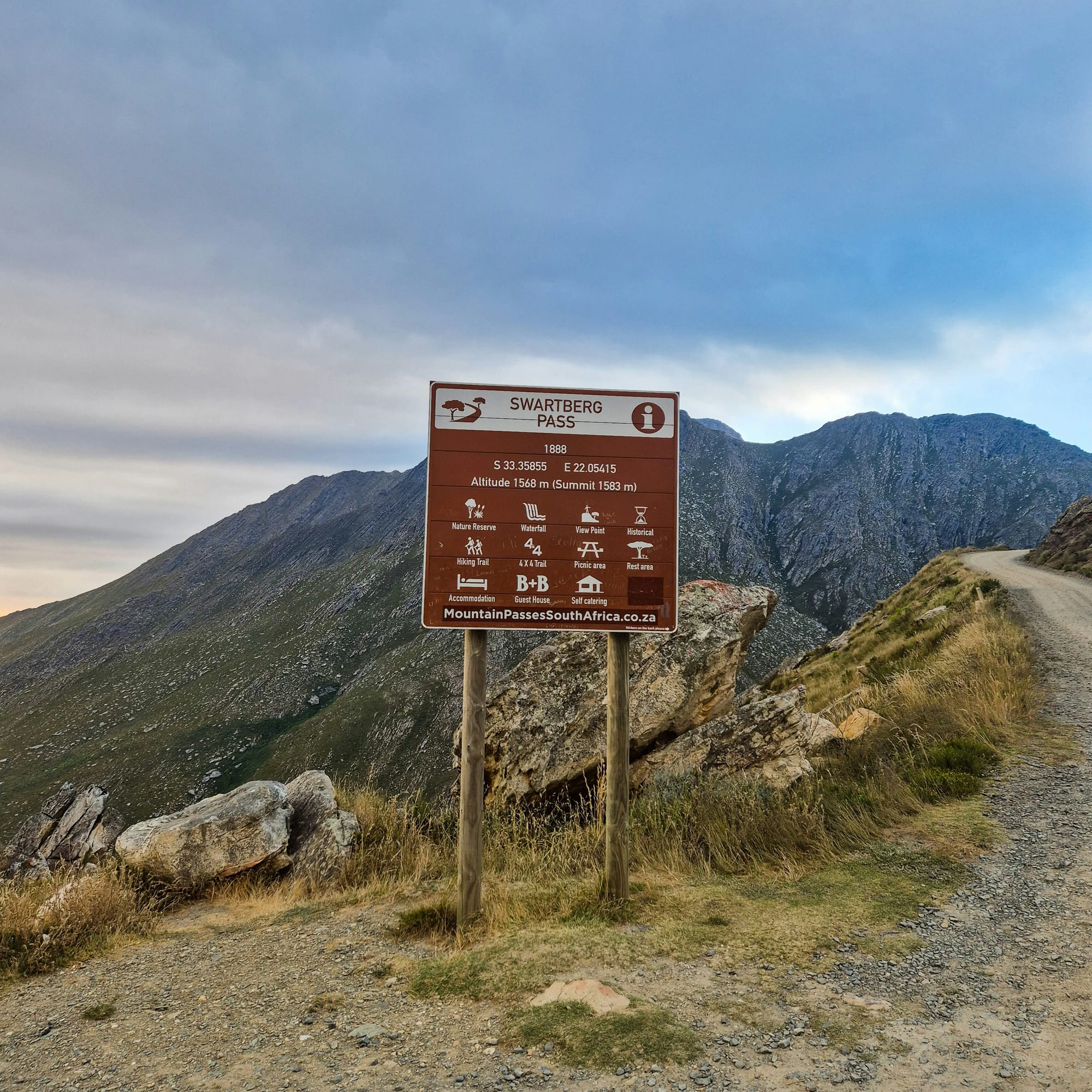
Prince Albert rests at the foot of the Swartberg Mountains, near the northern entrance to the Swartberg Pass. This gravel pass, completed in 1888 by Thomas Bain, connects the Great and Little Karoo over 27 kilometres of tight bends and dry stone retaining walls.
The pass is a national monument and remains one of South Africa’s most scenic mountain roads. Travelling it slowly allows time to appreciate the fynbos species clinging to rocky slopes and the careful craftsmanship of nineteenth-century road building.
Visitors are encouraged to support local olive farms, fig orchards and heritage tours that sustain the town’s economy without overwhelming its scale.
Another option to this itinerary carries you east to Nieu-Bethesda, about 60 kilometres from Graaff-Reinet on the R63. This small village, tucked beneath the Sneeuberg range, feels deliberately unhurried.
Its most famous landmark, the Owl House, was created by Helen Martins and reflects a singular artistic vision shaped by isolation and devotion. Today, guided tours explain the symbolism of the sculptures and the importance of preserving outsider art in rural communities. Solar panels glint discreetly on cottage roofs, and water is drawn carefully from mountain springs, reinforcing the Karoo’s lesson in restraint.
Driving these routes demands patience and respect. Distances are long, fuel stations are sparse between major towns, and summer temperatures often exceed 35 degrees Celsius.
Travellers who plan carefully, conserve water, support local producers and choose eco-conscious accommodation contribute to a more resilient Karoo economy.
🔴 You might also like to read:
 Naomi Roebert

Comments ()