
The dos and don’ts of flying with a baby
Flying with a baby takes preparation, but it need not spoil your holiday plans.
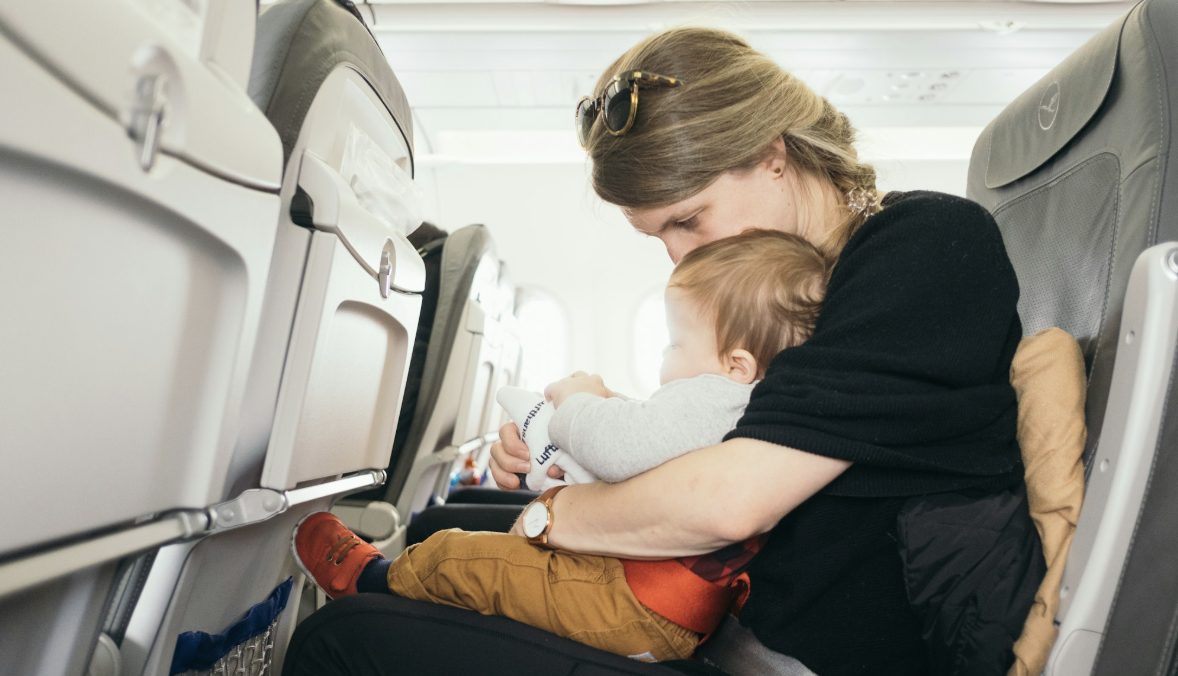
Flying with a baby can make even experienced travellers reconsider the contents of their hand luggage. There are nappies to pack, feeding schedules to navigate and the possibility of a spectacular meltdown just as the aircraft begins boarding.
Yet taking a baby on a plane need not become an ordeal. With sensible preparation and realistic expectations, families can make the journey more comfortable for everyone, including the passengers in the neighbouring seats.
Do check airline rules before booking
Airlines have different policies concerning infants, minimum ages, seating arrangements and permitted baggage. Check the rules before paying for tickets, particularly if you are travelling internationally or connecting through another airport.
A baby may travel on an adult's lap or occupy a separate seat, depending on the airline's rules and the arrangements purchased. An approved child restraint may be an option on certain flights. Confirm its acceptance and the aircraft's requirements directly with the airline.
For international journeys, check passport and entry requirements for your baby. South African families travelling abroad should also verify the current documentation required by their destination and transit countries.
If your baby was born prematurely or has health concerns, discuss the planned journey with a healthcare professional. Airline policies may also impose restrictions in particular circumstances.
Do pack for delays, not just the flight
A well-organised nappy bag can save considerable stress. Pack more nappies, wipes, spare clothes and feeding supplies than you expect to need. Allow for delays, unexpected spills and the possibility of checked luggage arriving later.
Keep essential items accessible rather than buried beneath everyone's holiday clothing. A spare top for the accompanying adult can also prove useful.
Breast milk, formula, sterilising equipment and baby food are subject to airport security procedures that vary by country. Check the relevant airport guidance before departure, and allow extra time for screening.
If you use powdered formula, bring the supplies you need and follow safe preparation instructions. Do not assume every airport or aircraft will provide suitable facilities.
Do help little ears adjust during take-off and landing
Changes in cabin pressure can cause discomfort in babies' ears. Feeding, breastfeeding or offering a dummy during ascent and descent may encourage swallowing and help ease pressure.
Keep your baby comfortably dressed in layers. Aircraft cabins can feel cool, while carrying a child through a warm terminal may quickly become uncomfortable. Avoid trying unfamiliar medicines or sedatives simply to make your baby sleep. Ask a healthcare professional about any medication concerns before travelling.
If your baby cries, remember that pressure changes, fatigue and unfamiliar surroundings can all contribute. Stay calm and try soothing techniques that normally work at home.
Don't overlook safety and airline instructions
Follow the cabin crew's instructions about holding your baby, seatbelts and approved restraint systems. Never assume that a lap-held baby can be secured using an ordinary adult seatbelt in any manner you choose.
Keep essential items stowed during take-off and landing as instructed. During turbulence, hold your baby securely and follow the crew's directions.
Do not plan your entire journey around a promised sleeping schedule. Babies are unpredictable, and a flexible attitude often serves parents better than a rigid timetable.
Make the journey part of the holiday
Whenever possible, choose flight times that work reasonably well with your baby's routine, but weigh this against connections, travel duration and the availability of support. Arrive early, board according to your airline's arrangements and give yourself time to settle. A familiar blanket or favourite toy may provide comfort, provided it is safe for your baby's age.
The aim is not a perfectly silent flight. It is a safe, manageable journey that gets your family to its destination. With preparation, patience and a little flexibility, the holiday can begin before you even reach the hotel.



Comments ()