
Five scenic road trips worth taking
From Chapman’s Peak’s ocean-hugging curves to the mountain heights of Sani Pass, South Africa’s roads offer more than a way to reach your destination. Discover five memorable routes for your next driving holiday.
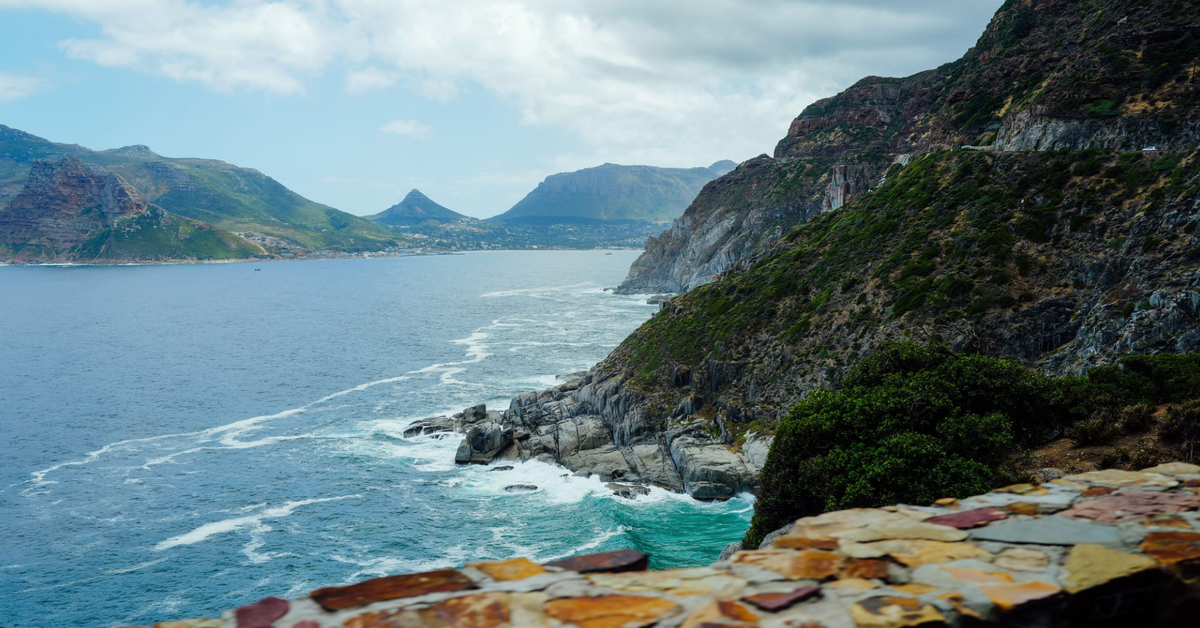


South Africa has some spectacular roads, whether you prefer winding mountain passes, coastal drives or long stretches through small towns and open countryside. Some are easy enough to explore in an afternoon, while others deserve a few days, particularly if you want to stop along the way rather than spend the entire trip behind the wheel.
Here are five routes worth considering for your next road trip, each offering a different way to experience the country:
1. Chapman’s Peak Drive, Western Cape
Running between Hout Bay and Noordhoek, Chapman’s Peak Drive follows the Atlantic-facing slopes of the Cape Peninsula, with winding bends, towering cliffs and views across the ocean and surrounding beaches. There are designated viewpoints along the route where motorists can stop safely to take photographs and enjoy the scenery.
It is an easy day trip from Cape Town, although it is worth allowing more time than the relatively short distance suggests. A toll applies under normal operating conditions, and the road may close because of rockfalls, bad weather or maintenance, so check its official status before leaving.
2. The Panorama Route, Mpumalanga
The Panorama Route takes travellers through some of Mpumalanga’s most impressive escarpment scenery, with several well-known attractions around Graskop and Sabie. God’s Window, Bourke’s Luck Potholes and the viewpoints overlooking the Blyde River Canyon are among the highlights, while the surrounding forests, cliffs, valleys and waterfalls provide plenty of reasons to stop.
Set aside a full day if you want to visit the main attractions without rushing. Weather can also make a difference to what you see, particularly at the higher viewpoints, where fog and rain sometimes obscure the landscape.
3. Sani Pass, KwaZulu-Natal
For travellers who enjoy a more challenging drive, Sani Pass climbs through the Drakensberg from KwaZulu-Natal towards the Lesotho border. Its steep gradients, sharp bends and exposed mountain sections have made it one of South Africa’s best-known mountain routes, although it is certainly not a drive to attempt without proper preparation.
The traditional route requires a suitable four-wheel-drive vehicle and an experienced driver, and conditions can change considerably depending on the weather and road maintenance. Check the latest border requirements, vehicle regulations and road conditions before travelling. If you would rather leave the driving to someone familiar with the pass, guided excursions are available through established local operators.
4. Route 62, Western Cape
Route 62 is an excellent choice for anyone who enjoys exploring smaller towns, stopping at farm stalls and discovering local food and wine. Travelling through the Western Cape’s wine-growing regions and the Klein Karoo, the route connects places such as Montagu, Barrydale, Ladismith, Calitzdorp and Oudtshoorn, with vineyards, mountains and stretches of open countryside along the way.
There is plenty to explore beyond the main road, so it is worth planning a few overnight stops rather than trying to cover too much distance in one day. The length of your trip will depend on where you start, which towns you visit and how much time you want to spend exploring.
5. The N2 through the Garden Route
The N2 provides access to some of the Garden Route’s most popular destinations, including Wilderness, Knysna, Plettenberg Bay and Tsitsikamma. Along this stretch between the Western and Eastern Cape, travellers can explore coastal towns, beaches, forests and lagoons, with plenty of opportunities to leave the main road and visit nearby attractions.
As one of the region’s main transport routes, the N2 can become particularly busy during school holidays. Motorists should also be mindful of changing speed limits and possible roadworks. Rather than stopping unexpectedly along the highway, plan visits to viewpoints and attractions where you can pull over safely.
Before you hit the road
A little preparation can save considerable frustration, particularly when travelling through mountainous or remote areas. Check your vehicle, carry drinking water, plan fuel stops and download offline maps in case mobile reception becomes unreliable. Mountain passes require extra care, while fog, strong winds and changing weather can affect both coastal and inland routes.
You do not need to plan every minute of a road trip, though. Leave yourself enough time to explore a town you have never visited, enjoy lunch at a farm stall or spend a little longer somewhere that catches your interest. After all, there is no point in choosing a scenic route if you are in too much of a hurry to enjoy it.
 Naomi Roebert
 Liz Thorne
 Lynette Spencer
 Liz Thorne

Comments ()