
Should I drive or fly to my destination in Southern Africa?
Flying and driving each shape travel differently. Each option carries practical, emotional and financial implications, shaped by distance, time and personal travel style. Understanding these trade-offs helps travellers align the journey with the experience they seek.
🔴Have you read this article yet?
 Mariana Balt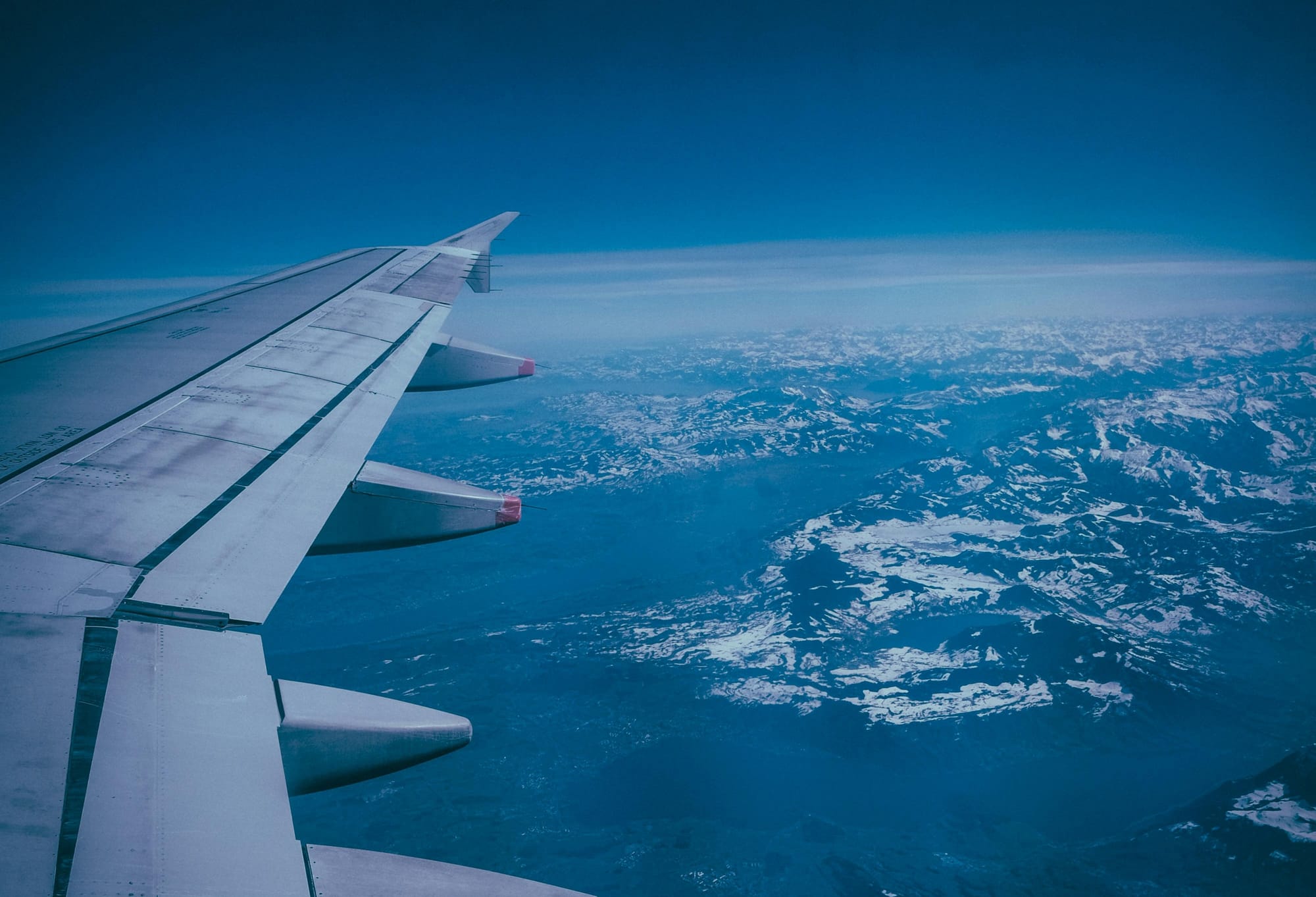
Choosing whether to fly or drive across Southern Africa often defines the character of a journey long before arrival.
Each option carries practical, emotional and financial implications, shaped by distance, time and personal travel style. Understanding these trade-offs helps travellers align the journey with the experience they seek.
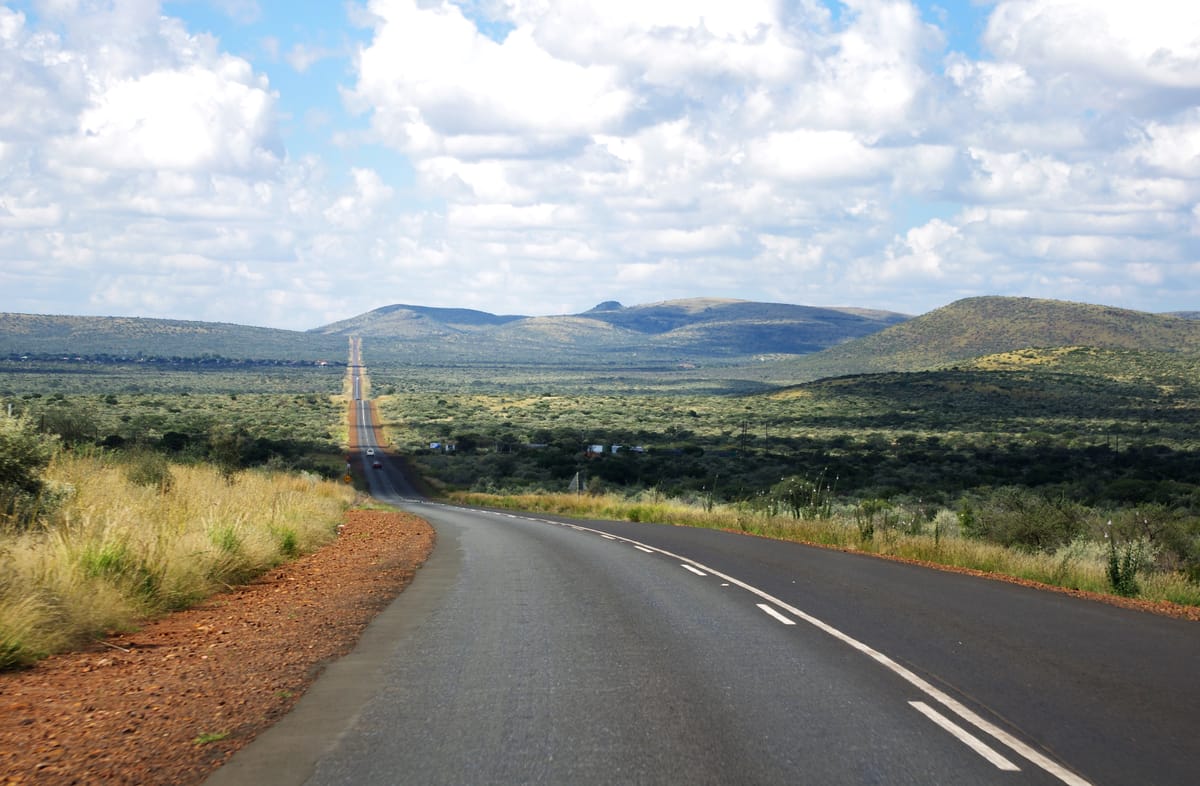
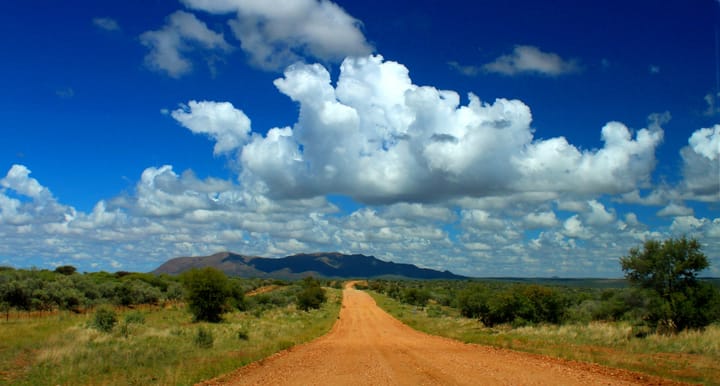
Driving offers intimacy with the landscape. Long stretches of road reveal transitions from grassland to bushveld, from escarpment to lowveld. The N1 north towards Polokwane or the R62 through the Little Karoo provide context that no airport terminal can match. Road travel allows spontaneous stops at padstals, viewpoints and roadside cafés, creating a sense of continuity between home and destination.
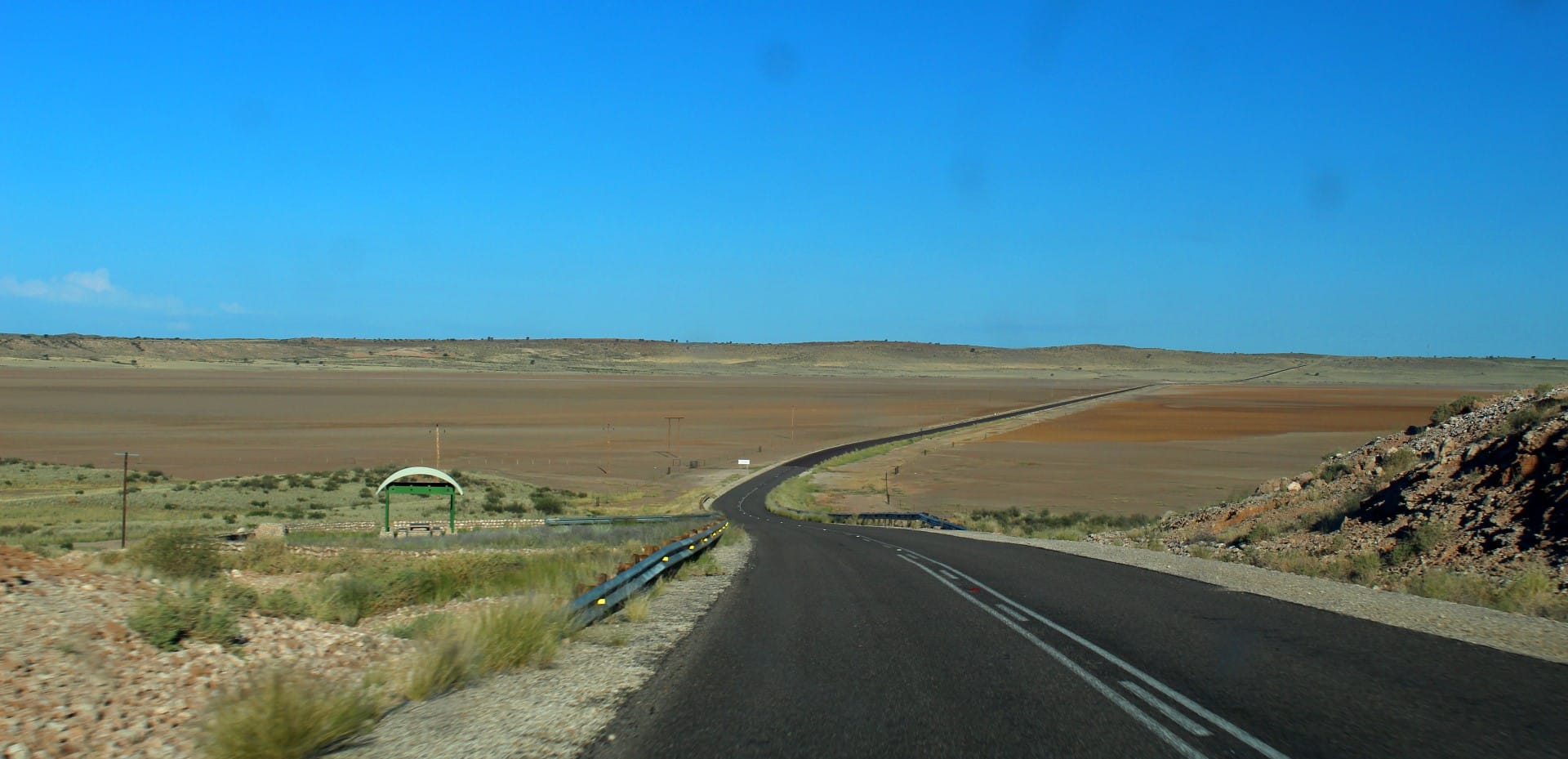
Families and groups often favour driving for its flexibility. Packing bulky items such as camping gear, food supplies, or child equipment becomes simpler. Costs can be controlled by travelling outside peak fuel periods and sharing expenses.
For destinations within five or six hours, such as Johannesburg to Clarens or Cape Town to De Hoop Nature Reserve, driving often feels more efficient than navigating airport procedures.
Flying saves time across vast distances. Routes like Cape Town to Maun or Johannesburg to Windhoek cover ground that would take days by road. For travellers with limited leave, flights allow more time at the destination itself. Regional airports in Skukuza, Hoedspruit and George provide direct access to safari areas and coastal regions, reducing fatigue on arrival.
Budget considerations vary. Flights fluctuate in price, especially during school holidays and festive seasons. Driving costs include fuel, tolls and potential overnight stops. Travellers heading to Botswana or Namibia by road must factor in border fees, vehicle permits and insurance. These costs add up, though they are often offset by the freedom of having a vehicle at the destination.
Safety and comfort play a role. Long-distance driving demands alertness, particularly on rural roads shared with livestock and wildlife. Travelling during daylight hours and planning realistic daily distances reduces risk. Flying avoids these challenges but introduces others, such as baggage limits and car hire logistics on arrival.
🔴You might also like to read:
 Mariana Balt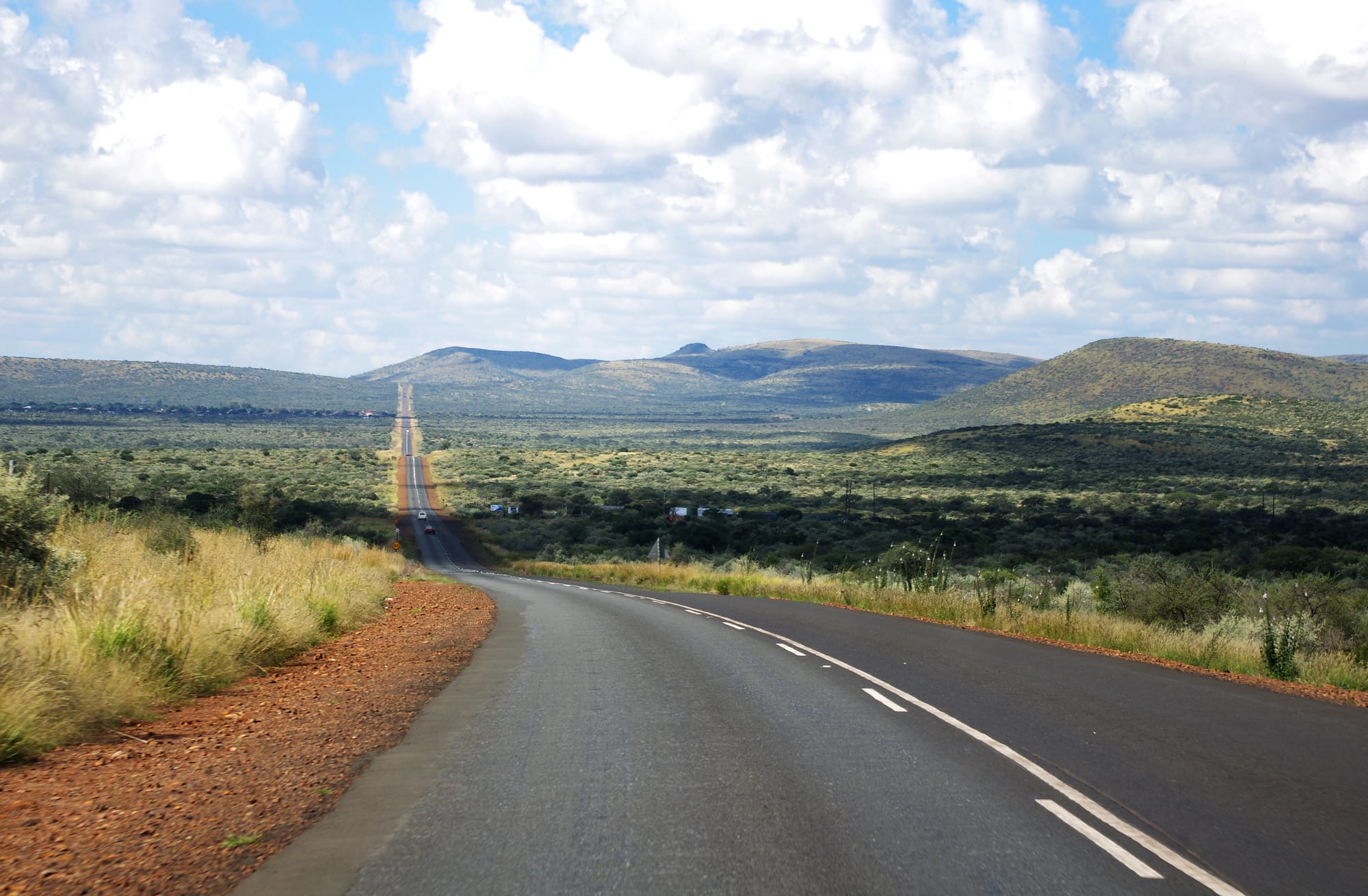
Environmental impact increasingly influences decisions. Flying produces higher emissions per passenger over long distances, while driving efficiency depends on vehicle type and occupancy. Some travellers choose to fly one leg and drive another, balancing convenience with responsibility.
The choice between flying and driving is rarely absolute. Many journeys combine both, such as flying to Kasane and driving through Chobe and Savuti, or flying to Cape Town and road-tripping along the Garden Route.
Matching transport to destination, group dynamics, and available time ensures that the journey enhances rather than detracts from the travel experience.
🔴You might also like to read:
 Mariana Balt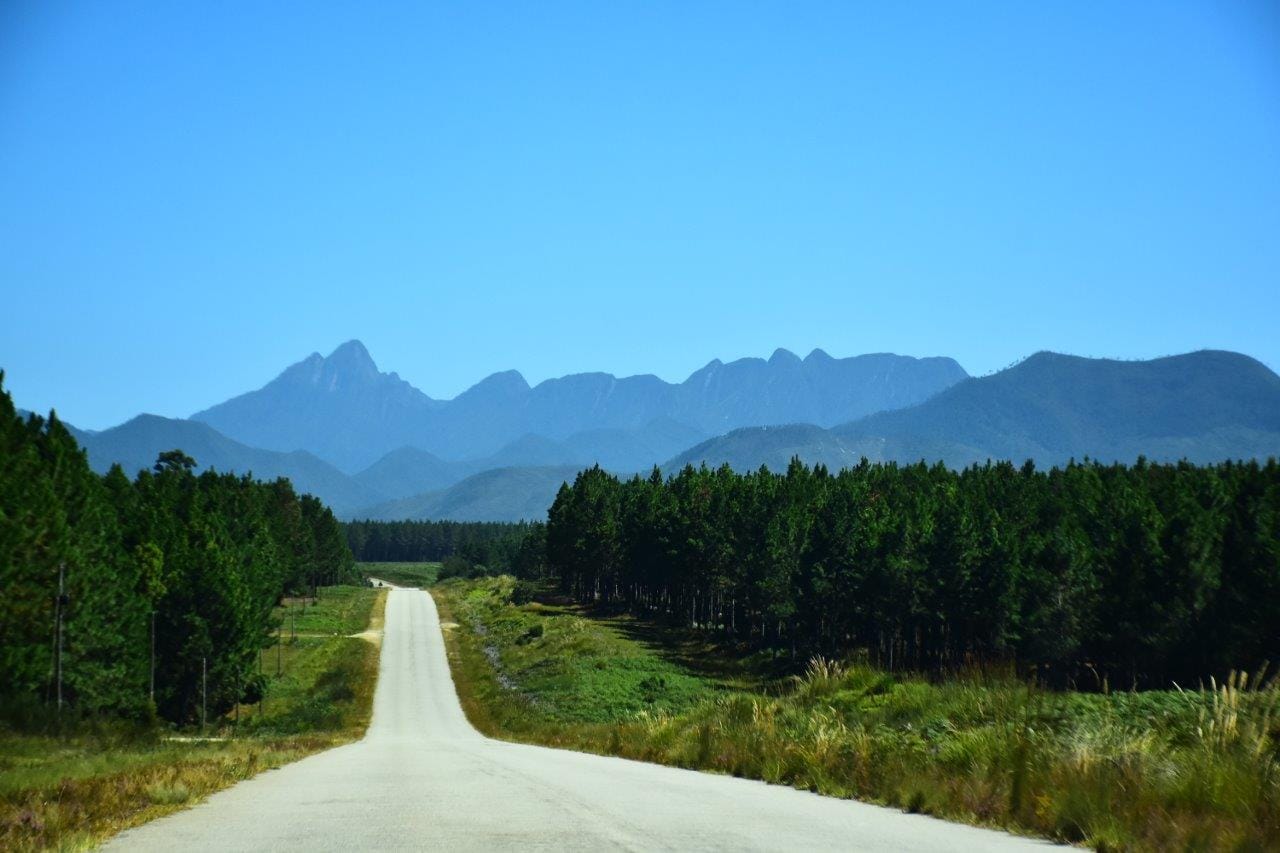

Comments ()