
Plan your travel for 2026
Road trips reward careful planning. Mapping your route, timing drives, and choosing stops wisely transform a journey into a seamless adventure.
🔴 You might also like to read:
 Mariana Balt
A road trip across southern Africa offers freedom, discovery, and the kind of landscapes that cannot be captured from an aeroplane window.
From the sweeping highways of South Africa to the gravel tracks of northern Namibia, planning the journey carefully ensures you spend less time worrying and more time enjoying the rhythm of the road.
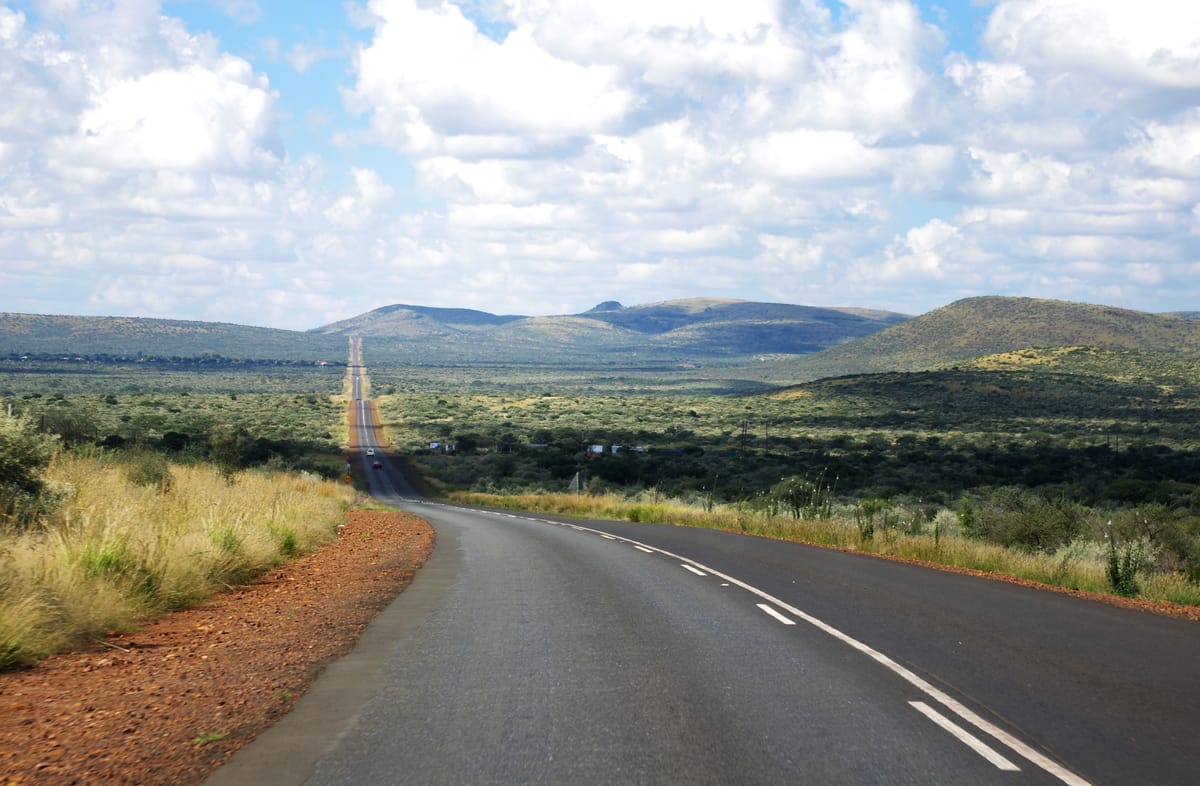
The first step is mapping your route. Consider starting in Johannesburg and taking the N1 to Cape Town, a journey of nearly 1,400 kilometres that threads through the Free State plains, Karoo semi-desert, and winelands of the Western Cape. The R62 wine route offers a more scenic alternative, winding past Robertson and Montagu, where ancient oaks and vineyards dot the valleys.
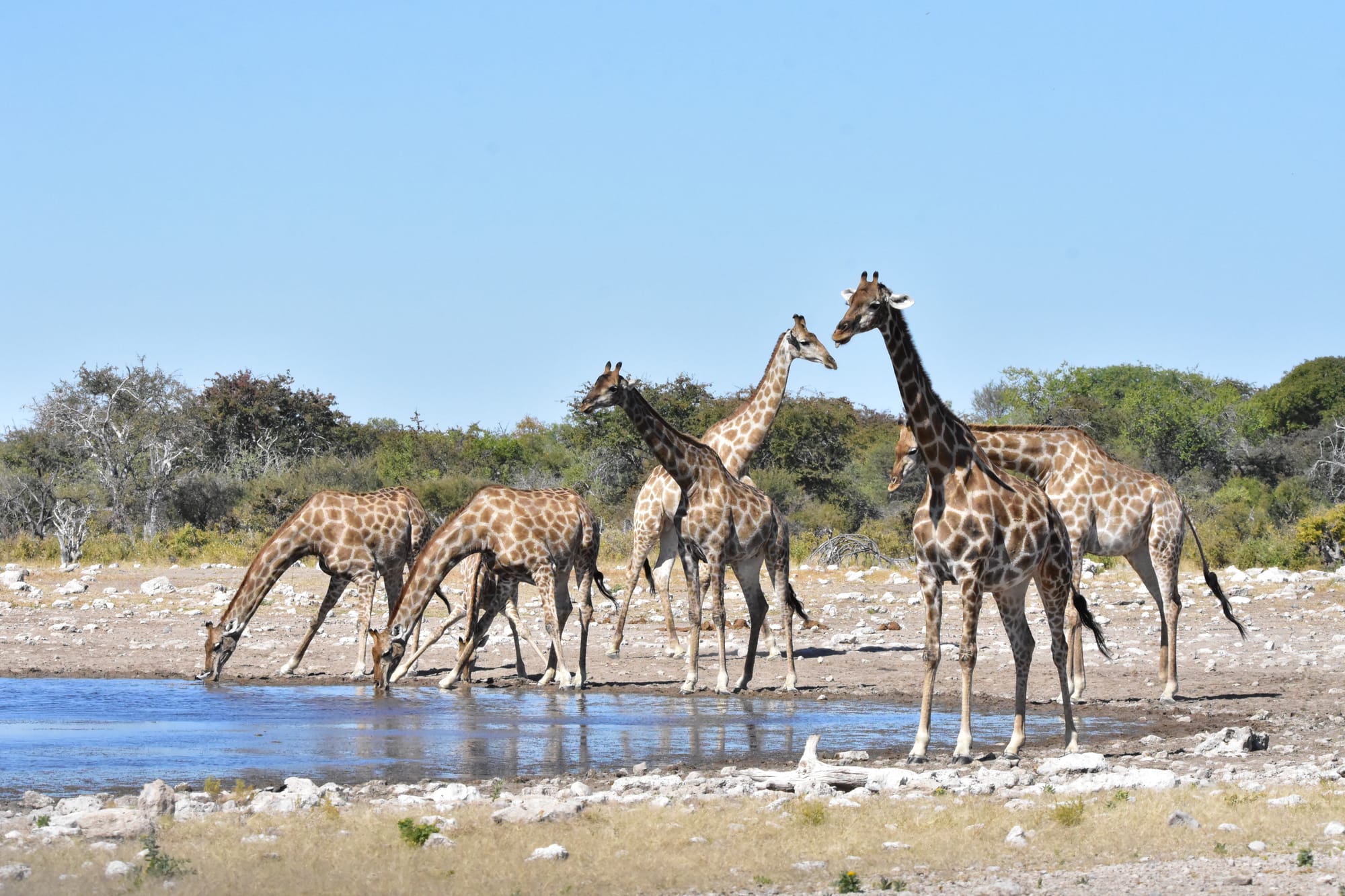
In Namibia, the B1 stretches from Windhoek to the Etosha National Park, giving access to game reserves while keeping fuel stops predictable. Planning distances with accuracy matters, as stretches between towns can exceed 200 kilometres, and roadside facilities may be minimal.
Vehicle choice and preparation are central.
Gravel roads, especially in the northern areas like the Kunene or Caprivi Strip, demand a durable vehicle with high clearance. Tyre pressure should be checked daily, and spare tyres and a basic toolkit are essential.
Long drives across the Kalahari or through northern Botswana require extra fuel, water, and even food rations. Even when travelling along tarred highways, the remote stretches around towns such as Mariental or Keetmanshoop in Namibia reward caution and preparedness.
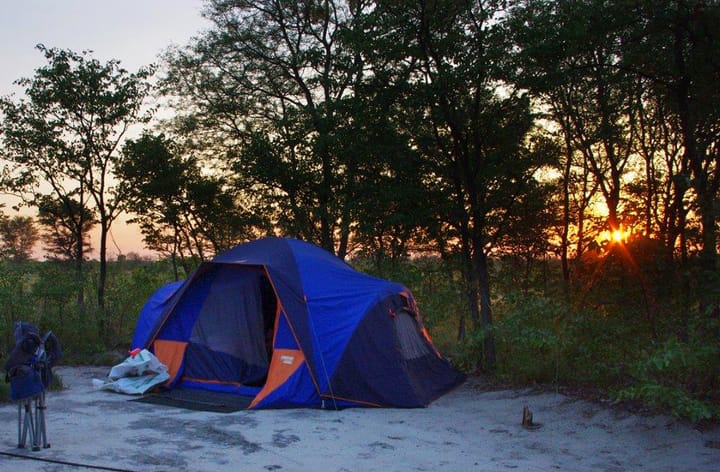
Accommodation planning improves both comfort and efficiency. Booking ahead in towns like Maun or Livingstone ensures availability, particularly during peak wildlife seasons. On less-trafficked routes, camping offers flexibility, whether at community-run sites in Moremi Game Reserve or along the banks of the Orange River.
Understanding local conditions is important: some campsites lack electricity, while others may charge modest fees for showers and firewood. Planning overnight stops around practical distances, roughly 300–400 kilometres per day, keeps fatigue manageable while leaving room for unexpected detours.

Timing the trip is another consideration. Summer months in the Lowveld can bring afternoon thunderstorms, while winter mornings in the Drakensberg and Highveld can be crisp and cold. Sunrise and sunset offer the most dramatic light for photography, wildlife observation, or simply enjoying the open road.
Roads like the R61 through the Wild Coast or the Sani Pass into Lesotho are often best travelled in daylight, particularly when steep gradients and unpaved sections demand careful navigation.
Packing efficiently complements the planning process. Essentials include a detailed road atlas or GPS device, emergency contacts, and sufficient cash for tolls or fuel stations that do not accept cards.
Snacks and water are important for stretches without convenient stops, especially in areas such as the Skeleton Coast or the northern Botswana wilderness. For wildlife encounters, binoculars and a camera with a protective casing allow close observation without disturbing animals, whether watching elephants in Chobe or springbok along the Karoo plains.
A flexible mindset enhances the journey. Road conditions can change with sudden rain, sand drifts, or local events, and minor detours often lead to some of the most memorable discoveries. Stopping in small towns like Graaff-Reinet, where Dutch colonial architecture meets the nearby Camdeboo National Park, or visiting local craft markets along the Garden Route, transforms the journey from simple transportation into a cultural experience.
Planning a road trip in southern Africa is not simply about covering kilometres; it is about designing a path that balances practicality with opportunity.
Careful route selection, vehicle preparation, accommodation choices, and timing allow travellers to focus on the landscapes, wildlife, and people that make this region unforgettable. With thoughtfulness in planning, the open road becomes not just a route, but a living experience.
🔴 You might also like to read:
 Naomi Roebert
 Mariana Balt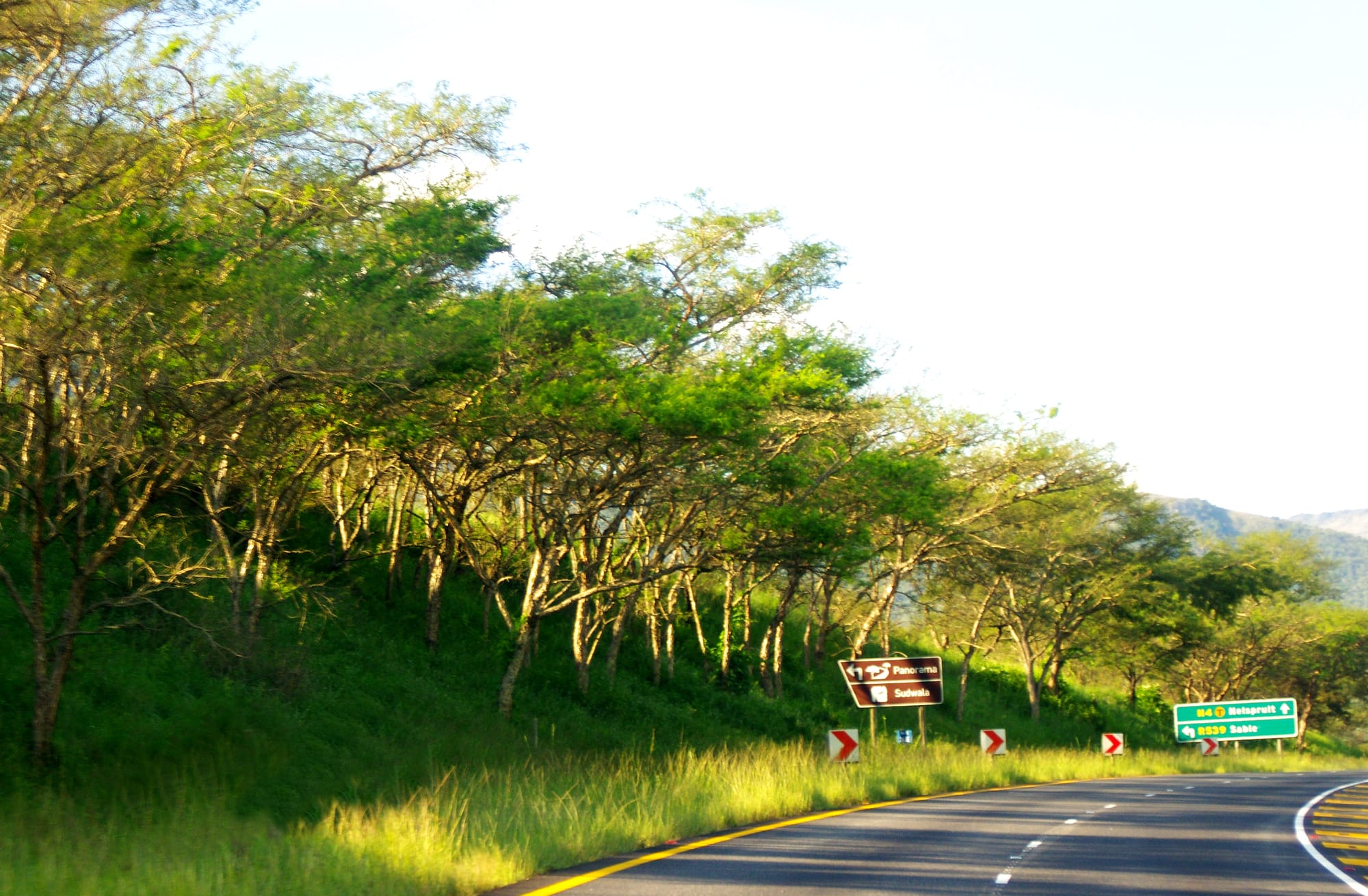
 Mariana Balt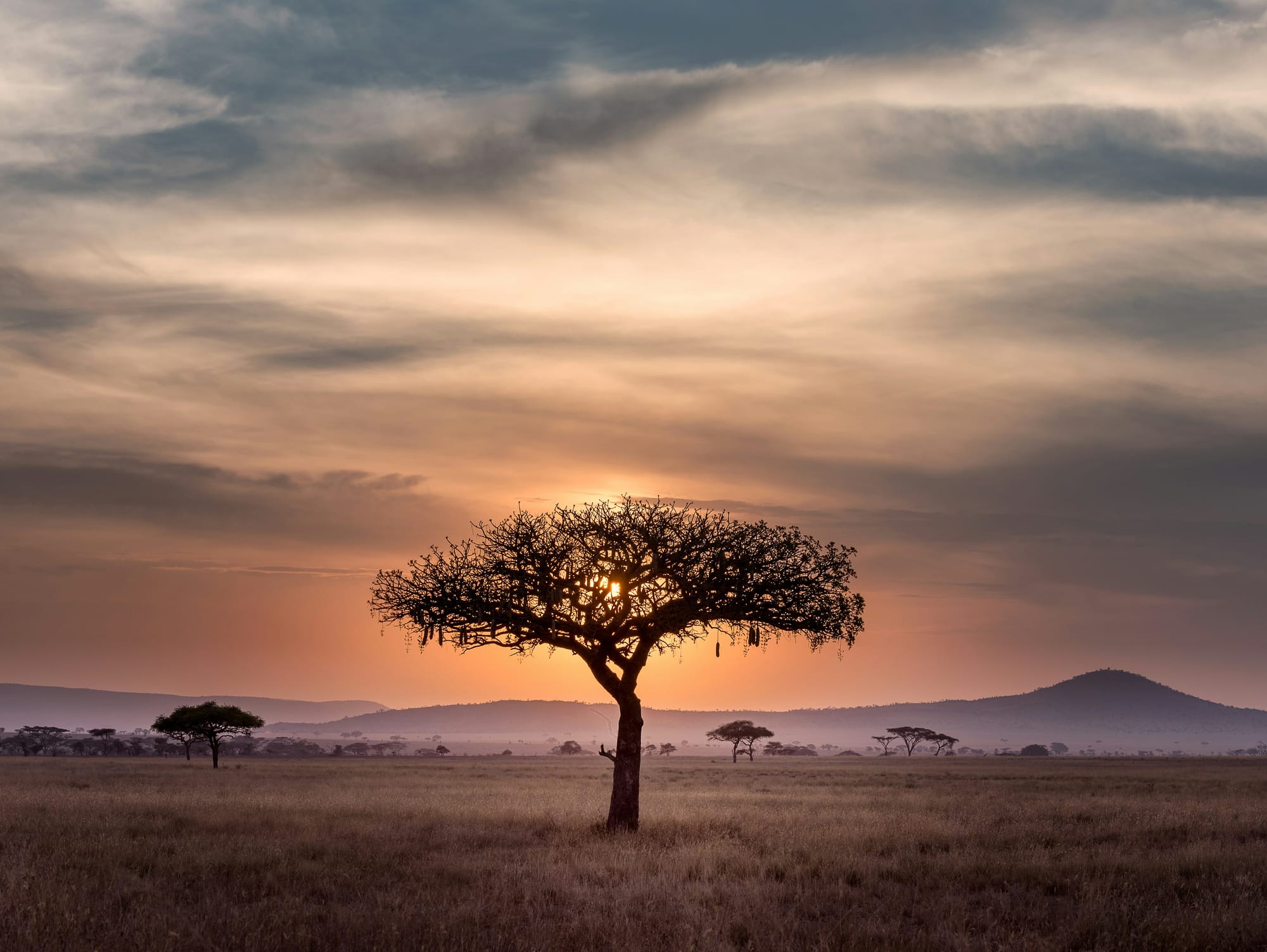

Comments ()