
Mokala magic - a gem in the centre of South Africa
Mokala National Park, roughly halfway between Johannesburg and Cape Town, offers a rare conservation-focused safari in the Northern Cape.
🔴 You might also like to read:
 Mariana Balt
 Naomi Roebert
In the wide interior of the Northern Cape, about 75 kilometres southwest of Kimberley, Mokala National Park offers a safari experience shaped by space and intention.
Many travellers know Kimberley for the historic Big Hole, a vast hand-dug excavation that tells the story of the diamond rush. Far fewer realise that within an hour’s drive lies one of South Africa’s most focused conservation success stories.
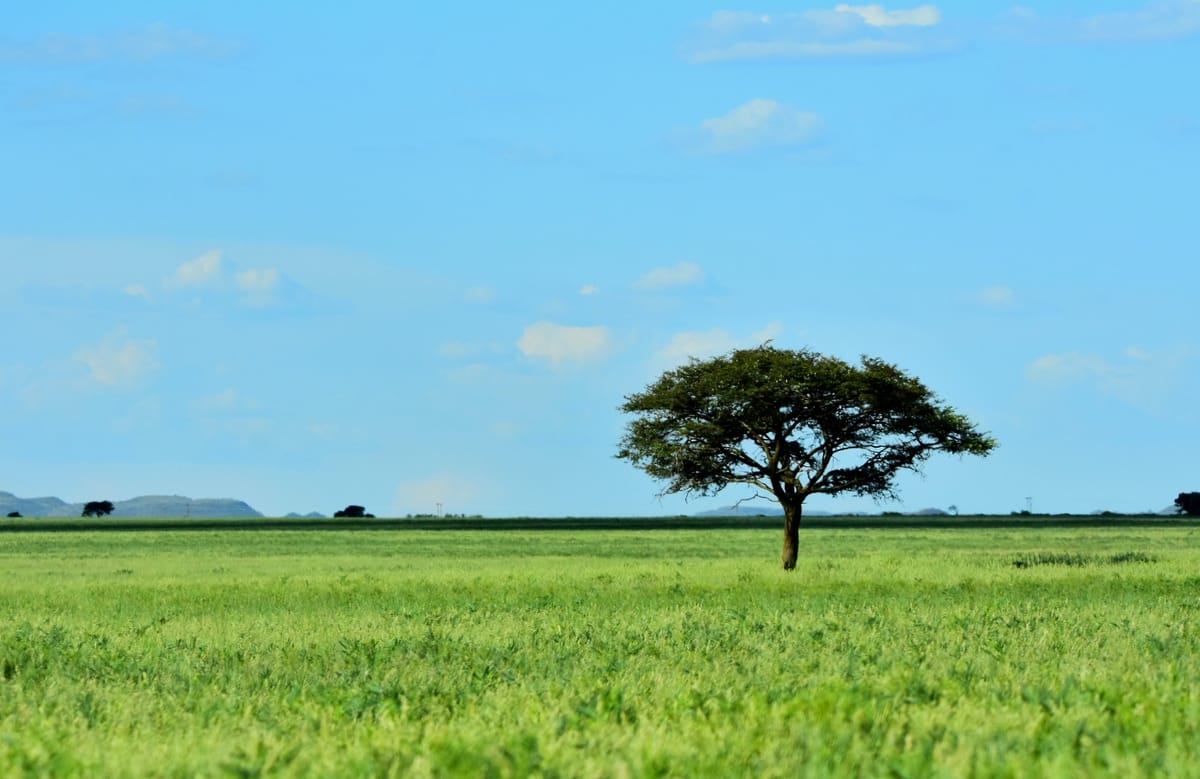
Mokala, proclaimed in 2007 and managed by South African National Parks, protects just over 26 000 hectares of Nama Karoo landscape. Low dolerite hills rise from open plains, camel thorn trees trace dry watercourses, and the Riet River forms a life-giving eastern boundary.
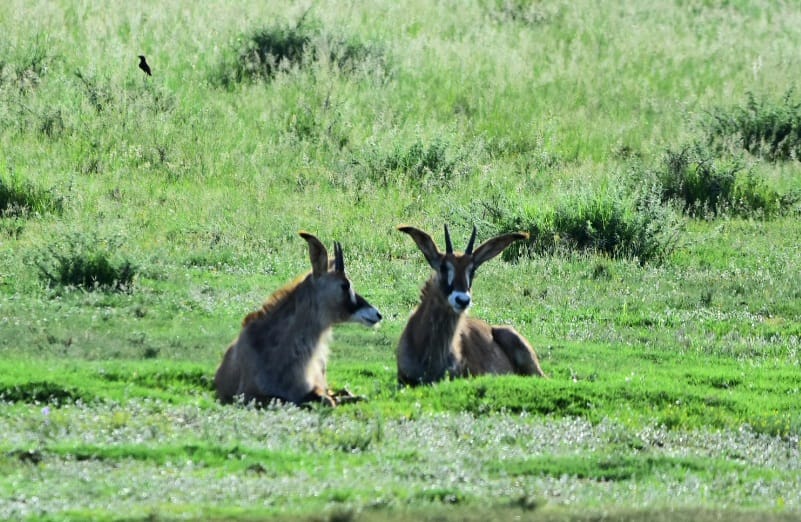
The park was established with a clear purpose: to conserve endangered and scarce antelope species in a region suited to their needs. Roan, tsessebe and sable antelope move across these grasslands, part of carefully managed breeding programmes that have strengthened national populations.
Geographically, Mokala occupies a convenient midpoint between South Africa’s major cities. From Johannesburg, the drive is approximately 500 kilometres, around five to six hours via the N12 through Potchefstroom and Wolmaransstad. From Cape Town, the journey spans roughly 950 kilometres, about nine to ten hours on the N1 and R64 via Colesberg and Kimberley.
Many travellers choose to break the trip in Kimberley, combining heritage exploration with a restorative pause in nature. For those short on time, Kimberley Airport lies less than 90 minutes from the park gate by road.
Arriving at Mosu Gate, visitors quickly sense the difference from busier reserves. Self-drive routes wind through undulating terrain where giraffe browse along ridgelines and gemsbok stand alert against pale horizons. Black and white rhinos are present, protected by rigorous security measures and a strong anti-poaching presence.
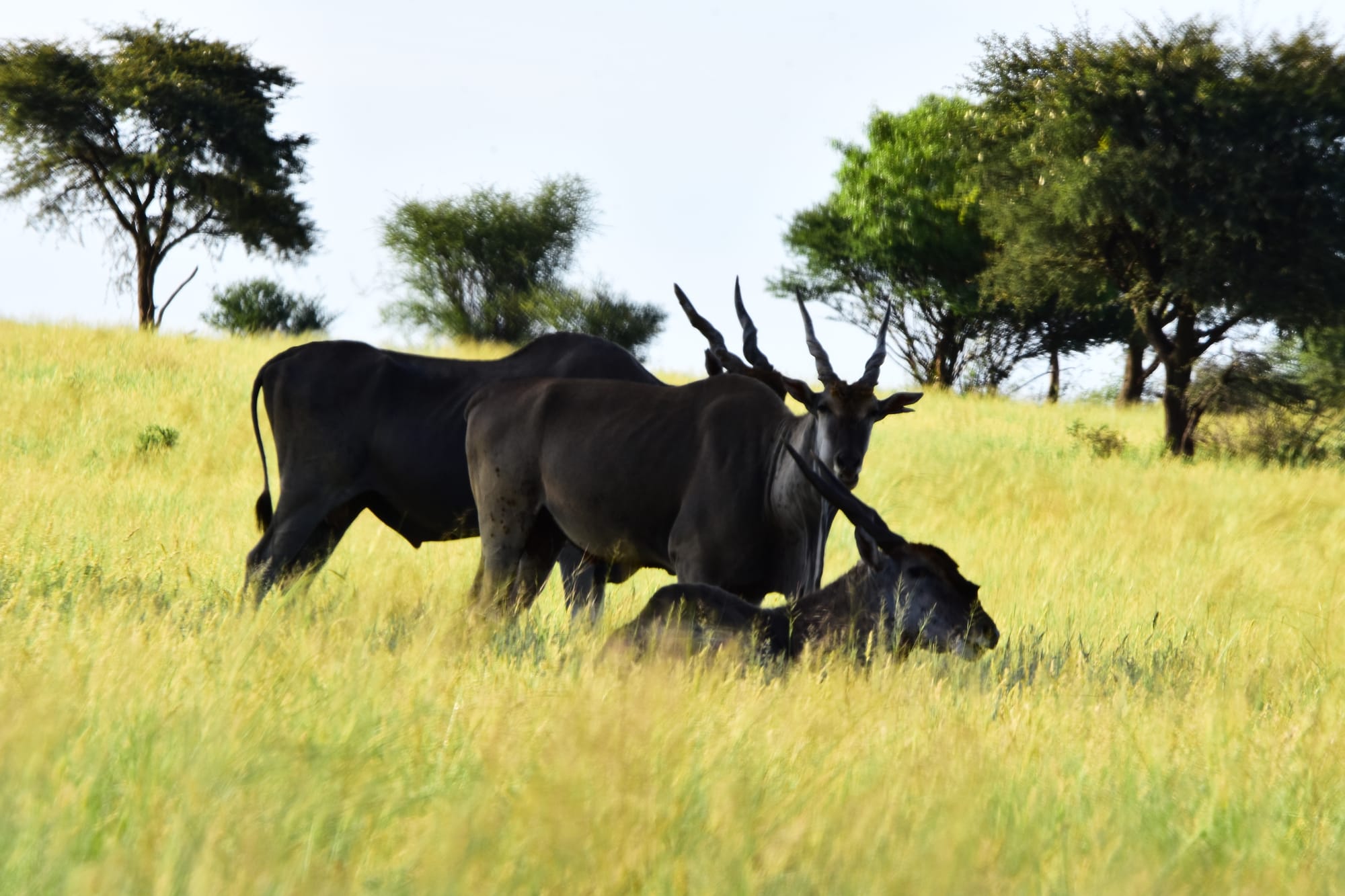
Sightings unfold without pressure, reinforcing a travel style rooted in patience and respect.
Accommodation at Mokala reflects this understated ethos. Mosu Lodge, near the main entrance, offers family-friendly cottages and campsites with views across open veld. Units are well spaced, with braai facilities and shaded verandas that frame early morning light.
Lilydale Rest Camp, set along the Riet River, provides comfortable chalets raised above the water’s edge. Evenings here are defined by the call of African fish eagles and the rustle of reeds rather than traffic or generators. Haak en Steek, the most secluded option, features self-catering units positioned among camel thorn trees, ideal for couples or small groups seeking privacy.
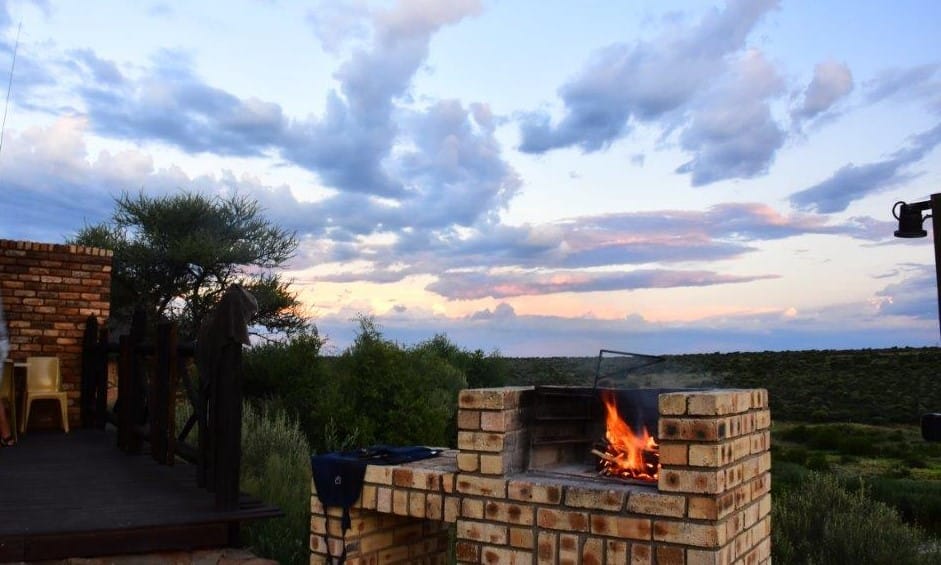
Sustainability runs quietly through the park’s operations. Water saving systems, controlled visitor numbers and strict off-road driving regulations reduce ecological impact.
Revenue from tourism supports species monitoring, habitat management and local employment in surrounding Northern Cape communities. Travellers become part of a conservation narrative rather than passive observers.
Seasonal shifts shape the experience. Summer thunderstorms from November to March transform the plains into green grazing grounds, drawing antelope into open view. Winter days are clear and mild, often between 18 and 22 degrees Celsius, creating excellent conditions for walking trails and photography. Birdlife exceeds 300 recorded species, reflecting the park’s position at the meeting point of several ecological zones.
Pairing Mokala with Kimberley deepens the journey. Within a compact radius, visitors can trace South Africa’s industrial history at the Big Hole before turning towards expansive plains where roan antelope graze under immense skies. The transition from mined earth to restored habitat feels quietly symbolic.
Mokala does not compete with larger, more famous reserves. Its strength lies in focus, rarity and room to breathe. For travellers driving between Johannesburg and Cape Town, or seeking a safari that privileges conservation over spectacle, this Northern Cape reserve offers a measured, meaningful alternative in the very centre of the country.
🔴 You might also like to read:
 Mariana Balt

Comments ()