
Is it safe to travel in Mozambique?
Is Mozambique safe? The answer depends very much on where you are going.
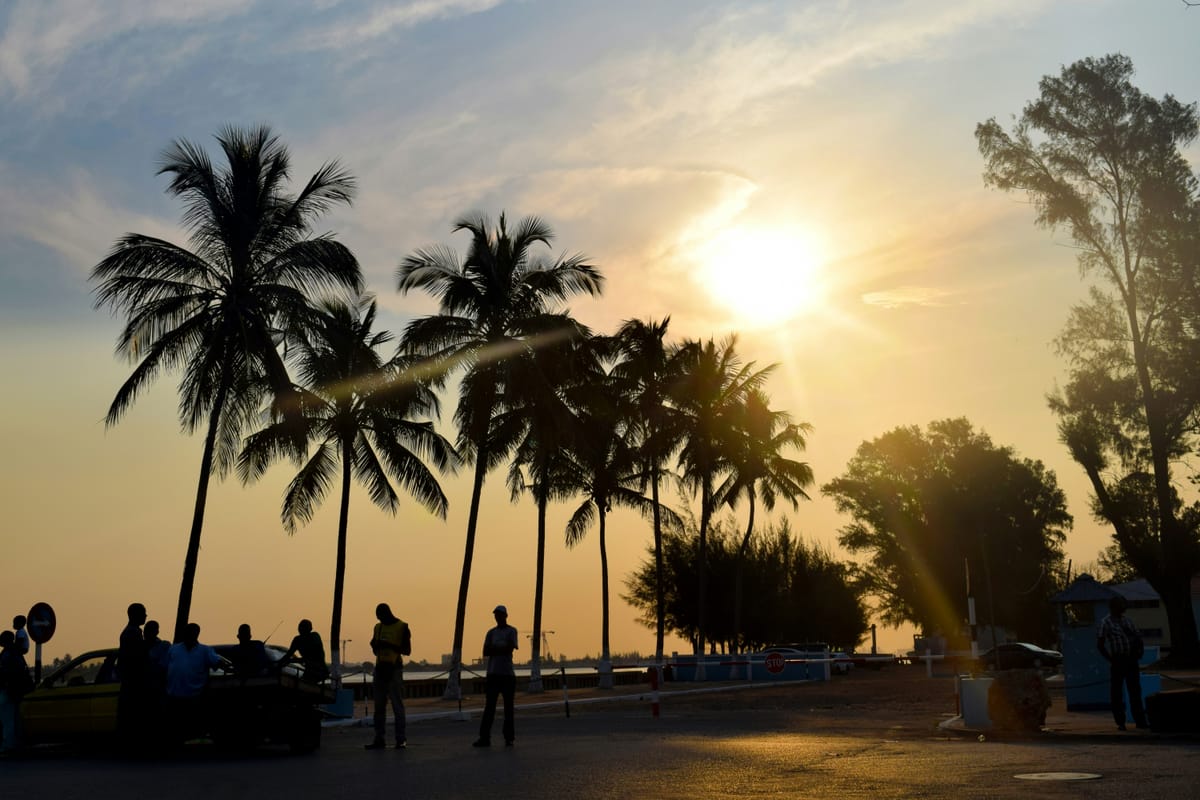

Mozambique can be an extraordinary holiday destination. Its Indian Ocean coastline stretches from the southern beaches around Maputo to the tropical islands and coral waters of the north. Yet asking whether Mozambique is safe requires a more careful answer than a simple yes or no. The security situation varies significantly by region.
Know where the risks are
The most serious security concerns are concentrated in northern Mozambique. As of August 29, 2026, the UK Foreign, Commonwealth & Development Office advises against all travel to Cabo Delgado Province, with limited exceptions including Palma town and areas around Pemba and Afungi. It also warns against travel to specific districts in neighbouring Nampula and Niassa provinces.
The reason is serious. Cabo Delgado has experienced attacks by groups linked to Islamist extremism, alongside clashes involving security forces and other armed groups.
For travellers, that means a northern itinerary requires much more than checking whether a hotel has good reviews.
What about the south?
Popular destinations in southern Mozambique, including Maputo, Inhambane, Tofo and Vilankulo, are geographically distant from Cabo Delgado. That does not mean travellers should switch off their usual caution.
Petty crime, theft, scams and road-related risks can occur, as they can elsewhere. Travellers should take care with valuables, avoid displaying large amounts of cash and use reputable transport providers.
If driving, plan carefully rather than assuming every road is suitable for a casual self-drive holiday.
The coast remains the great attraction
For many visitors, Mozambique's magic lies offshore. Tofo is famous for its marine life and diving. Vilankulo provides access to the Bazaruto Archipelago. Maputo offers a more urban introduction, with Portuguese-influenced architecture, seafood restaurants and a lively waterfront atmosphere.
The country's official tourism information confirms that the metical is the national currency, although South African rand, US dollars and euros may be accepted in some tourist areas. Visa and Mastercard are commonly accepted at larger tourist establishments, but cash remains important.
Check before you go
Safety information can change quickly. Before booking, check the latest travel advice from your own government and confirm conditions with your accommodation or tour operator. Travel insurance is particularly important when visiting a destination with regional security warnings.
Do not assume that a warning covering one province automatically describes the whole country. Equally, do not assume that a beautiful beach photograph tells you anything about the security situation inland.
Mozambique rewards informed travellers
The country has extraordinary beaches, marine life, food and culture. The key is to choose your route carefully, understand the regional risks and keep checking the situation right up until departure. That is not being overly cautious. It is simply good travel planning.
 Liz Thorne
 Lynette Spencer
 Naomi Roebert


Comments ()