

Wondering how much your next Southern African road trip will actually cost? Here is a simple way to build a realistic travel budget before you leave.


A road trip budget should answer one deceptively simple question: how much will it really cost to get there, stay there and get home again?
Start with the route
Write down every destination and calculate the total driving distance. Do not estimate fuel costs from the distance alone. Your vehicle's fuel consumption, the terrain, traffic and driving conditions all affect the final figure.
For example, if your vehicle averages 10 litres per 100 kilometres and your planned route covers 2,000 kilometres, you would need approximately 200 litres of fuel. Multiply that figure by the fuel price you expect to pay. It is wise to add a buffer because detours, local sightseeing and unexpected road closures can increase your mileage.
Next comes accommodation
Decide whether you will camp, stay in guesthouses, use hotels or combine several options. Southern Africa offers everything from inexpensive campsites to luxury lodges, so accommodation can completely transform the budget.
Food is the next major category. Estimate a daily amount per person and decide how many meals will be self-catered. Buying supplies before entering remote areas can sometimes be more practical than relying on expensive roadside stops or lodge meals.
Remember the costs that are easy to overlook
Road tolls can add up on South African routes. National park entry fees, conservation levies, activities and parking charges can also make a noticeable difference. If your route crosses an international border, check whether you need additional insurance, vehicle documentation, permits or border-related charges.
Set aside an emergency fund, too. A useful road-trip budget should have room for a puncture, mechanical problem, extra accommodation night or unexpected change of plans.

A simple way to structure the calculation is:
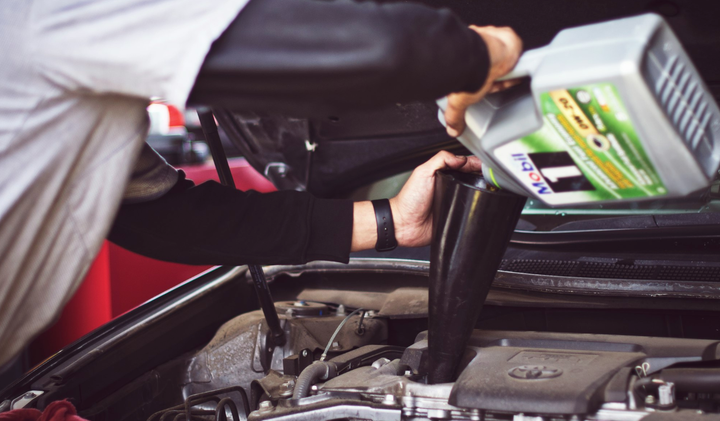
Fuel + accommodation + food + tolls + activities + permits + vehicle costs + emergency reserve = road-trip budget. Divide the total by the number of travellers to get a per-person figure. Do not forget the cost of preparing the vehicle before departure. An oil change, tyre replacement or service may technically happen before the trip, but it is still part of the cost of travelling.
Finally, compare the budget with the route
If the total is higher than expected, shorten the trip, reduce accommodation costs or choose fewer paid activities.
Do not automatically cut the emergency reserve. A good road-trip budget is not designed to make travel feel restrictive. It gives you the freedom to enjoy the journey without mentally calculating every kilometre all the way home.
 Lynette Spencer
 Naomi Roebert


Comments ()