
Essential car maintenance checks before a long road trip
Learn how to prepare your tyres, cooling system, brakes and emergency kit before setting off across long distances and remote landscapes.
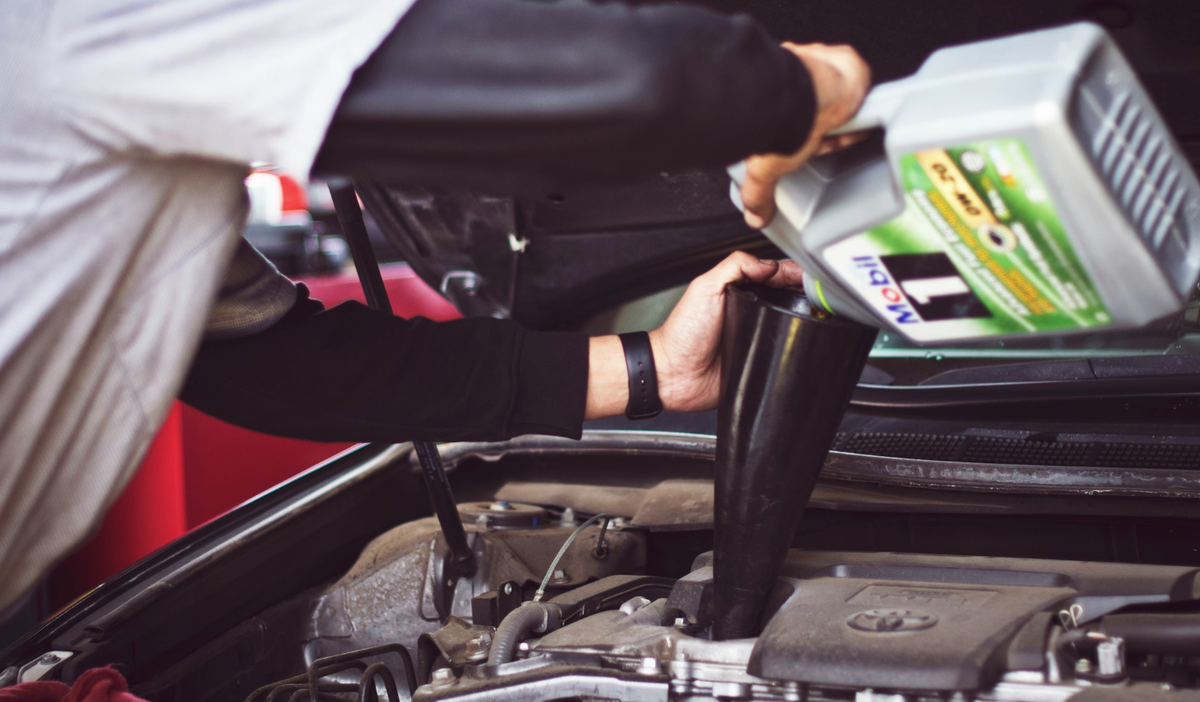
Whether you're driving from Johannesburg towards the Lowveld, travelling along the Garden Route or planning a road trip through Namibia, it's worth making sure your vehicle is in good condition before you leave. Long distances, changing road conditions and stretches without reliable mobile reception can make a mechanical problem particularly inconvenient.
Breaking down near a busy service station is one thing, but finding yourself stranded on a remote road, far from the nearest town or workshop, is quite another. A few basic checks before departure can save considerable trouble along the way.
Start with a proper service
If your vehicle is due for a service, book it before your trip rather than hoping it will manage another few thousand kilometres. Tell the workshop how far you intend to travel and whether you'll be driving on gravel roads, through mountainous areas or with a heavily loaded vehicle.
Ask the mechanic to inspect the brakes, battery, suspension, steering, belts and hoses. Any fluid leaks or warning lights should also be investigated before departure. Your owner's manual will tell you when the vehicle needs servicing and which fluids are suitable for your particular model.
Treat tyres as essential equipment
Before setting off, inspect your tyres for uneven tread wear, cuts, bulges and objects embedded in the rubber. Check the pressure while the tyres are cold, using the manufacturer's recommendations for your vehicle and the load you'll be carrying.
Remember to check the spare tyre as well. Make sure it's properly inflated and that you have a working jack, wheel spanner and locking-wheel-nut key, if your vehicle requires one. If your car has a tyre repair kit instead of a spare, familiarise yourself with how it works and what it can repair. Not every puncture can be fixed with a repair kit, particularly when the tyre's sidewall is damaged.
Take extra care on gravel roads, where loose stones and uneven surfaces can damage tyres or affect handling. Reduce your speed when necessary and avoid sudden braking or steering movements. Even where a higher speed limit applies, road conditions may require you to drive considerably slower.
Check fluids and cooling
Check the engine oil, coolant, brake fluid and windscreen washer fluid according to the instructions in your owner's manual. If any of these levels are dropping unexpectedly, have the cause investigated before leaving.
Summer temperatures in Southern Africa can put additional strain on a vehicle's cooling system, especially when you're travelling with a heavy load, climbing steep mountain passes or sitting in slow-moving traffic.
If the temperature gauge rises unusually high, pull over somewhere safe, switch off the engine and seek assistance. Never attempt to remove the radiator cap while the engine is hot, as pressurised coolant can cause serious burns.
Prepare for distances and delays
Fuel stations, workshops and reliable mobile reception can be few and far between on some rural routes, particularly through the Karoo, the Northern Cape and parts of Namibia and Botswana. Plan your fuel stops in advance and fill up before travelling into remote areas rather than assuming there will be another service station nearby.
Keep drinking water, a charged phone, a suitable charging cable, a torch and a basic first-aid kit in the vehicle. Your reflective warning triangle and any other legally required safety equipment should also be easy to reach, rather than packed underneath everyone's luggage.
Allow enough time for regular breaks, particularly on longer journeys, and share the driving where possible. Driving while tired can be just as dangerous as dealing with a mechanical problem.
Know your cover and emergency plan
Before leaving, check whether your vehicle insurance covers all the destinations on your itinerary and whether your roadside-assistance provider operates in those areas. If you're travelling across international borders, you may also need additional documents, vehicle permissions and specific insurance arrangements.
Save important emergency contact numbers somewhere you can access them without an internet connection. When travelling through isolated areas, it's also sensible to let someone know which route you're taking and when you expect to arrive.
Finally, don't ignore a problem simply because you're eager to reach your destination. An unusual noise, a warning light or a change in how the vehicle handles is worth investigating, particularly when the next town could be several hours away.
 Lynette Spencer
 Naomi Roebert
 Liz Thorne
 Lynette Spencer



Comments ()