
Full board or self-catering, which will suit my budget?
Explore how geography, budget, and sustainability shape the choice between full board and self-catering accommodation for your journey.

🔴 You might also like to read:
 Mariana Balt
 Mariana Balt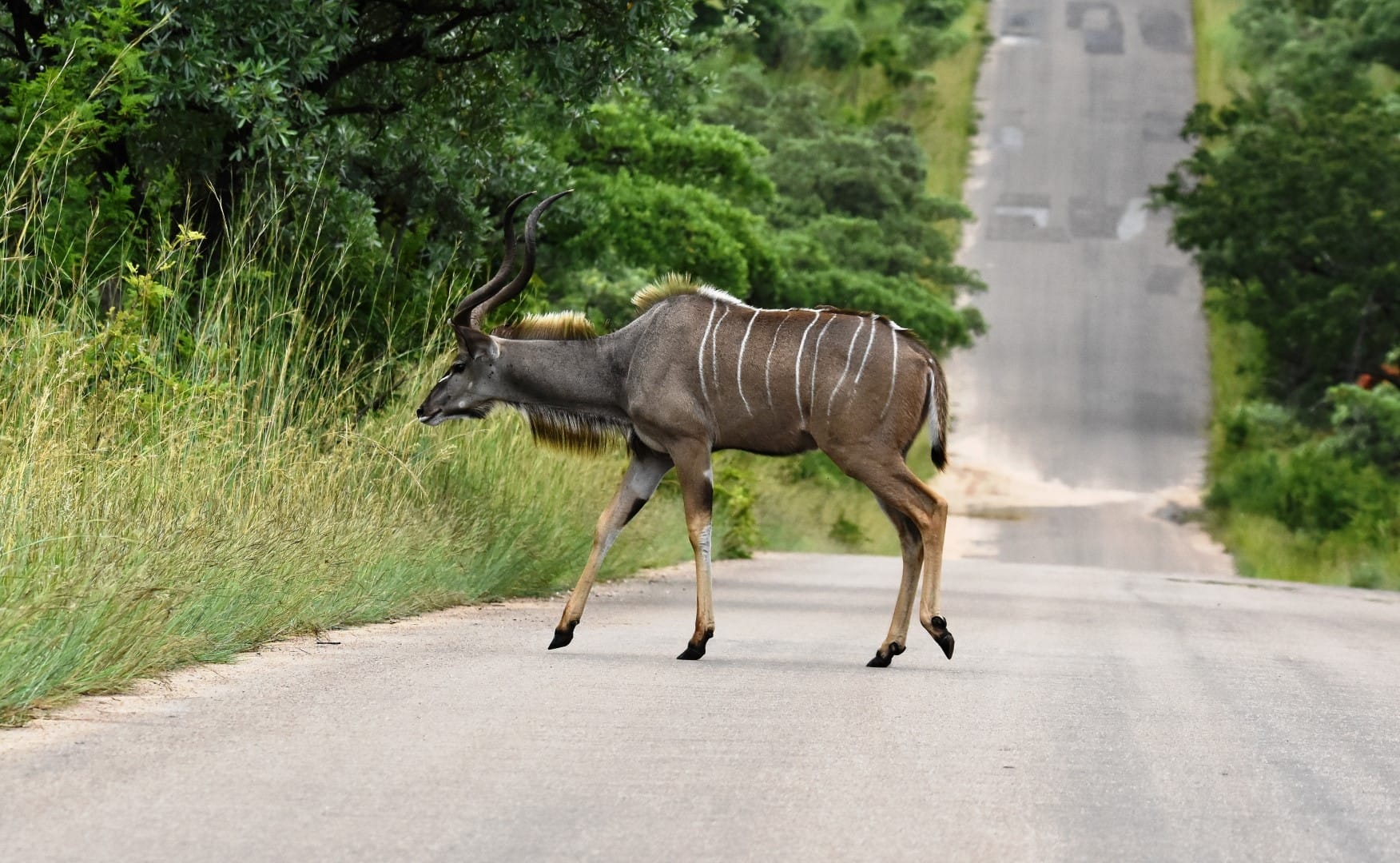
The decision often arises somewhere between planning a safari in the Greater Kruger and browsing cottages along the Garden Route. Should you choose full board, where meals are included and thoughtfully prepared, or self-catering, where your grocery basket and cooking skills shape the experience?
In Southern Africa, where distances are generous and landscapes varied, the answer depends on more than preference. It depends on geography, rhythm, and how you wish to spend both your time and your money.
Consider first what a "full board" option truly means in this region.
In many private reserves bordering Kruger National Park, such as Sabi Sand or Timbavati, full board includes breakfast, lunch, dinner, and often two guided game drives per day. These lodges operate in remote bushveld environments where the nearest town, such as Hoedspruit, may be over 50 kilometres away.
Self-catering is rarely practical here. The cost per person per night can be significantly higher than a self-catering chalet in a national park, yet that price reflects guiding expertise, conservation levies, staff employment, and carefully sourced meals. When your days begin at sunrise on a dusty track and end under lantern light with a plated dinner, the convenience carries tangible value.
Travel further south along the N2 from Cape Town towards Hermanus and Knysna, and the equation changes. Coastal towns offer excellent supermarkets, farm stalls, and local markets. In Plettenberg Bay, a self-catering apartment within walking distance of Central Beach allows you to shop at a nearby Spar or Woolworths and prepare your own seafood supper.
The financial contrast can be notable. A family of four dining out for every meal may quickly exceed the cost of groceries for a week. Self-catering here offers flexibility, particularly for longer stays.
Budget, however, is not only about rands spent. Time carries its own cost. In the Cederberg, roughly 250 kilometres north of Cape Town via the N7, small lodges often provide dinner as an optional extra. After a day hiking near Algeria Forest Station or exploring the Sevilla Rock Art Trail, returning to a prepared meal can feel restorative.
Self-catering in a remote mountain cottage requires planning, cooler boxes, and careful provisioning in Citrusdal before ascending the pass. The money saved may be balanced against effort and time.
Urban destinations present another perspective. In Cape Town’s City Bowl, full board is uncommon outside boutique hotels. The city thrives on its culinary scene, from the Oranjezicht City Farm Market to restaurants along Bree Street. Choosing accommodation without meals encourages exploration and supports local businesses.
Dining at a family-run establishment in Bo-Kaap or sampling Cape Malay cuisine contributes directly to neighbourhood economies. Ethical travel is not limited to wildlife conservation. It extends to sustaining independent producers and restaurateurs.
National parks illustrate a clear contrast. In Addo Elephant National Park, about 70 kilometres north of Gqeberha, self-catering chalets within the main rest camp include braai facilities and basic kitchens. Visitors often shop in Colchester before entering the park.
Preparing your own meals reduces daily costs and allows you to focus funds on guided night drives or conservation fees. Full board options within South African National Parks are limited and typically linked to specific lodges. For travellers prioritising affordability and autonomy, self-catering aligns well with park-based itineraries.
Crossing borders alters considerations again. In Botswana’s Okavango Delta, many camps operate on a full board basis due to their isolation. Access often involves light aircraft transfers from Maun. Transporting groceries into such areas is neither practical nor environmentally sound.
The higher rate includes meals, guiding, and logistical coordination that would otherwise be impossible. In contrast, towns such as Swakopmund in Namibia offer guesthouses with kitchenettes, where travellers can buy fresh produce at local markets and control expenses over several days.
Sustainability weaves through both choices. Full board lodges that source produce locally, reduce food waste, and employ residents from nearby communities contribute positively to the regions in which they operate.
Length of stay often tips the balance. A two-night safari in the Greater Kruger may justify the ease of full board. A ten-day coastal exploration from Mossel Bay to Tsitsikamma National Park may favour self-catering, especially for families or travellers with dietary preferences. Calculating realistically helps. Multiply the average restaurant meal cost per person by the number of travellers and days. Compare that with grocery estimates and the accommodation rate difference. Such clarity prevents surprises.
Ultimately, the question is less about luxury and more about alignment. Match your accommodation style to your route, duration, and priorities. In remote bushveld or delta settings, full board often makes practical and environmental sense. In vibrant towns and accessible coastal regions, self-catering can stretch your budget and deepen your connection to local life. Southern Africa offers space for both approaches, provided choices are made thoughtfully and responsibly.
 Mariana Balt
 Mariana Balt

Comments ()