
Consider an eco-friendly holiday in Southern Africa
From fynbos trails to desert lodges and safari camps, Southern Africa offers many ways to travel more responsibly.
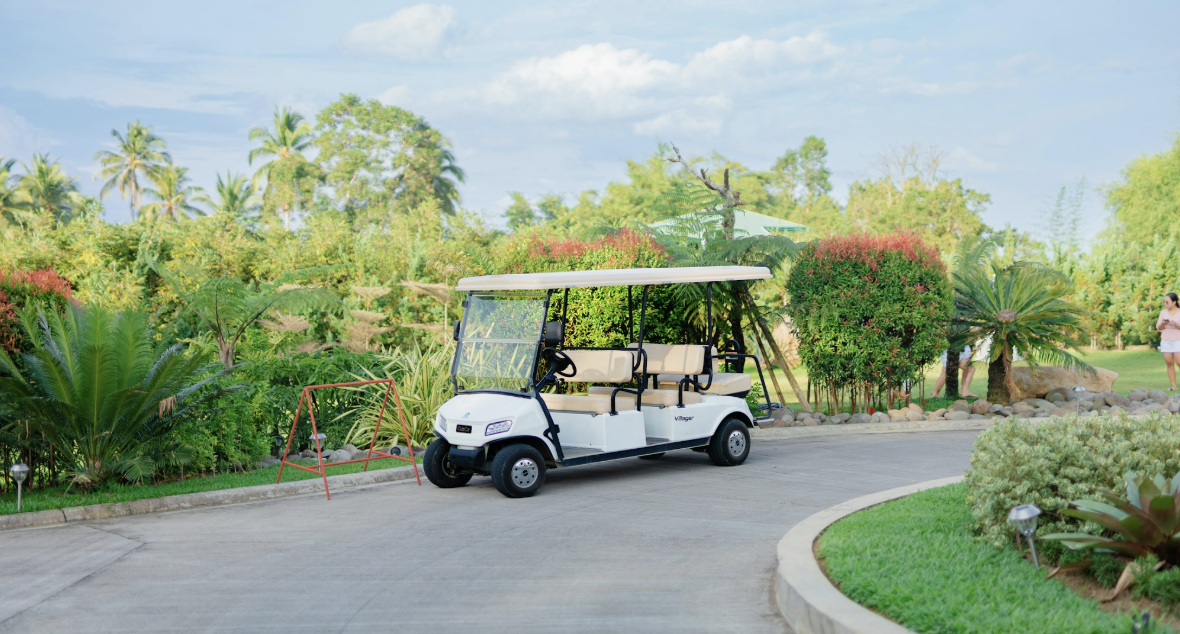
Imagine waking to the call of a fish eagle, watching morning mist lift from a river and enjoying coffee on a veranda overlooking indigenous bush. The experience feels luxurious, yet its greatest value may lie in how lightly you leave the landscape behind.
An eco-friendly holiday does not require giving up comfort or travelling to a remote corner of the continent. It starts with choosing experiences and businesses that respect nature, support local livelihoods and use resources responsibly.
Choose accommodation with a conscience
Southern Africa offers plenty of opportunities to combine memorable travel with environmental awareness. You might choose a small lodge near the Kruger National Park, a farm stay in the Western Cape or a campsite beneath the stars in Namibia.
Look beyond attractive marketing claims
Ask how the property manages water, electricity and waste. Does it employ people from nearby communities? Does it buy produce locally, protect surrounding habitat or support credible conservation projects?
Solar panels and refillable toiletries are useful features, but sustainability involves more than a few visible gestures. Responsible tourism also considers working conditions, cultural respect, wildlife welfare and the property's wider effect on its surroundings.
South Africa's Department of Tourism describes responsible tourism as an approach that protects natural and cultural environments while strengthening local economies. Its responsible tourism guidance offers a useful starting point when comparing accommodation options.
Explore landscapes without exhausting it
The region's variety makes a lower-impact holiday surprisingly appealing. In the Cederberg, hikers can explore rugged sandstone formations and fynbos country. Along the Garden Route, forest walks and coastal viewpoints provide alternatives to spending every day behind a windscreen.
In the Kruger National Park, self-drive visitors can explore at their own pace while following park regulations. Staying longer at one camp can reduce unnecessary driving and allow time for quieter discoveries. In Namibia, a carefully planned route through desert landscapes can combine spectacular scenery with thoughtful fuel and water management.
Travelling by shared transport, choosing direct flights where practical and combining nearby attractions can reduce some transport-related emissions. No single choice makes a holiday impact-free, but several sensible decisions can make a meaningful difference.
Let your spending tell a story
A holiday budget can support communities as well as accommodation providers. Book a local guide, buy crafts directly from their makers, visit community-run cultural attractions and eat at independent restaurants.
Ask questions respectfully and never assume that local people exist to provide photographs or performances. Genuine cultural encounters depend on consent, fair payment and mutual respect. At wildlife attractions, avoid facilities that encourage inappropriate handling of wild animals or promise guaranteed close encounters. Responsible operators prioritise animal welfare and explain their conservation practices clearly.
You can also reduce waste by carrying a reusable water bottle, refusing unnecessary packaging and taking rubbish back to suitable disposal points. In water-scarce areas, short showers and sensible laundry habits matter.
Travel well, leave something worthwhile
An eco-friendly holiday is not a competition to produce the smallest possible footprint. It is a chance to make considered choices without losing the pleasure of discovery.
Spend an extra night in a place you love. Learn why its vegetation, wildlife or cultural heritage matters. Listen to a local guide who knows the landscape beyond the viewpoints. When you leave, the best souvenir may be the knowledge that your visit supported people and places worth protecting. That is a richer kind of luxury, and one that lasts longer than a tan.


Comments ()