
Best places in southern Africa for birdwatching
From the Okavango Delta to the West Coast, Southern Africa offers world-class birdwatching across diverse landscapes.
Southern Africa is a region where birdlife shapes the rhythm of the landscape. From wetlands to deserts, each habitat supports a remarkable diversity that draws enthusiasts from across the world.
The Okavango Delta in Botswana stands as one of the most celebrated destinations. This vast inland delta, fed by seasonal floods, creates a mosaic of channels, islands, and floodplains.
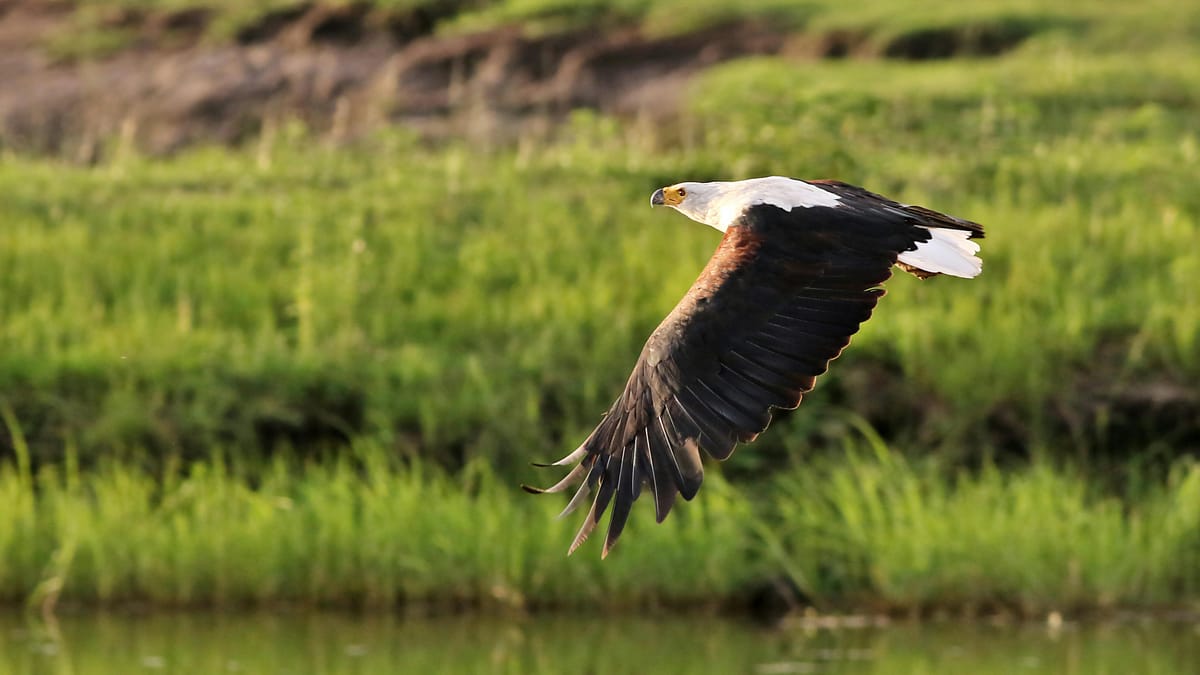
Species such as the African fish eagle and malachite kingfisher are commonly sighted, while migratory birds arrive in impressive numbers during the summer months. Exploring by mokoro allows for quiet observation, bringing travellers close to the action without disturbance.
In South Africa, the iSimangaliso Wetland Park along the KwaZulu-Natal coast offers a different experience. This UNESCO World Heritage Site combines lakes, estuaries, and coastal forests. Birdwatchers can expect sightings of flamingos, pelicans, and a variety of waders. The diversity here reflects the meeting of freshwater and marine environments.
Further inland, the Kruger National Park is often associated with large mammals, yet its birdlife is equally compelling.
Over 500 species have been recorded, including the striking lilac-breasted roller and the elusive Pel’s fishing owl.
Early mornings bring a chorus of calls that echo through the bush, setting the tone for the day. Namibia’s Etosha National Park presents a more arid setting. The salt pan dominates the landscape, yet seasonal rains transform parts of it into temporary wetlands. Flamingos gather in large numbers, creating scenes that contrast sharply with the otherwise dry surroundings. The starkness of Etosha allows birds to stand out in clear, uninterrupted views.
Closer to the Western Cape, the West Coast National Park becomes a seasonal highlight. During spring, the area bursts into colour, and birdlife follows suit. The Langebaan Lagoon attracts migratory species, making it a prime location for spotting rarities alongside more familiar residents.
Each of these destinations offers its own perspective on birdwatching. The experience is shaped not only by the species encountered but by the landscapes they inhabit. Travelling between them reveals how closely birds are tied to place, and how their presence enriches every journey.


Comments ()