Can you self-drive in all South African game parks?
South Africa offers wonderful self-drive safaris, but not every game park or private reserve allows them.
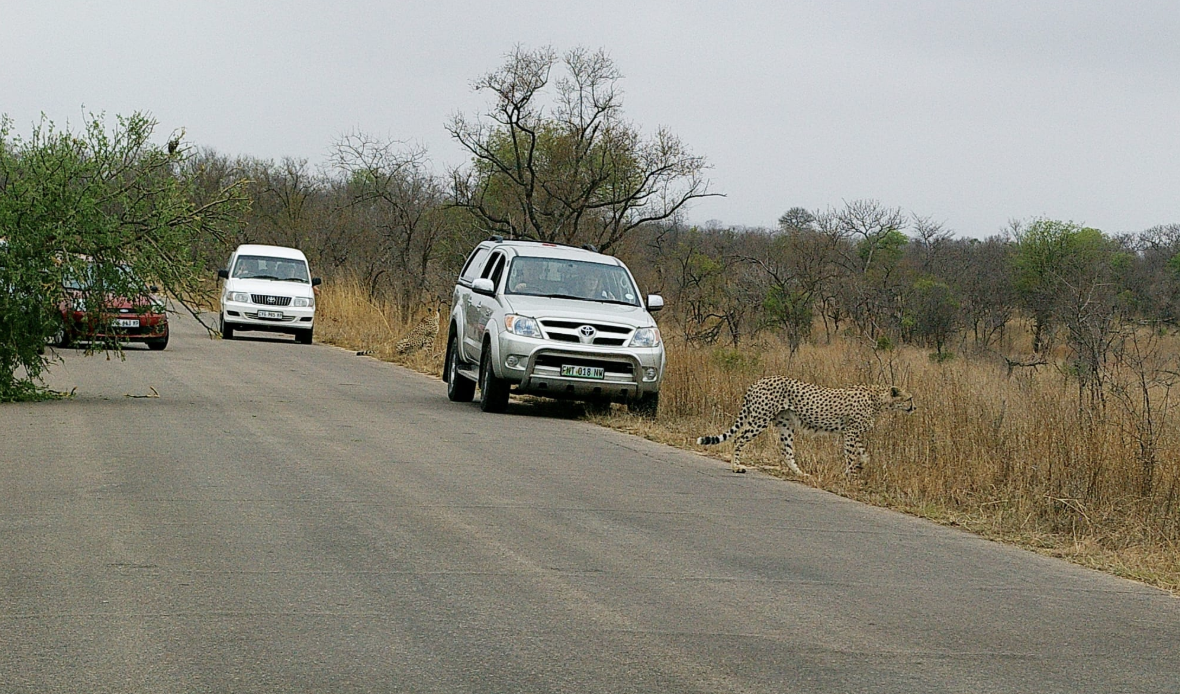
There is a particular pleasure in discovering an elephant beside the road when nobody has told you where to look. You slow down, switch off the radio and wait as the animal moves through the bush.
On a self-drive safari, the timing is your own, and every sighting feels personal.
South Africa offers excellent opportunities to explore wildlife areas independently. However, self-driving is not permitted or practical in every park, reserve or section of protected land. The rules depend on the destination, its roads, wildlife and management arrangements.
National parks are not all alike
In major public parks such as Kruger National Park, visitors can explore extensive networks of public roads in their own vehicles. The park has both tarred and gravel routes, with opportunities to stop at designated picnic sites, camps and viewpoints.
Other SANParks destinations also offer self-drive opportunities, including Addo Elephant National Park and Karoo National Park. Yet the available road network, vehicle restrictions and activities vary by park.
SANParks provides rules and regulations that visitors should read before arrival. Not every park has the same road surfaces or vehicle access arrangements.
Private reserves have different rules
Many private game reserves offer guided game drives rather than unrestricted self-driving. This is common where wildlife roams through unfenced landscapes, off-road tracking is part of the safari experience, or management requires visitors to travel with qualified guides.
Some private properties allow guests to drive themselves, while others prohibit it entirely. A lodge’s location within the Greater Kruger region does not automatically mean its roads are open to independent visitors.
Ask the property directly before booking. Clarify whether you may use your own vehicle, whether guided drives are included and which areas you can access.
Choose a vehicle that suits the roads
A standard passenger car can be suitable for many established routes in national parks. You do not automatically need a four-wheel-drive vehicle for a Kruger self-drive safari.
However, gravel roads, steep gradients, sandy tracks and wet conditions can change the equation elsewhere. Check the park’s current road information, vehicle restrictions and weather warnings before setting out.
Never assume that a route shown on a general map is open to tourists. Some tracks are restricted, while certain roads may close because of flooding, maintenance or wildlife management.
Wildlife has the right of way
The most important self-drive rule is that you are a visitor in an animal’s habitat. Stay inside your vehicle except at designated safe areas, observe speed limits and give animals room to move.
Never feed wildlife, block an animal’s path or position your vehicle so closely that an elephant, buffalo or other animal feels trapped. Keep a safe distance and leave quietly if an encounter becomes tense. Park gates have opening and closing times. Plan your route around them, carry water and avoid driving so far that you risk reaching the gate late.
Independent driving or a guided safari?
Self-driving offers flexibility, privacy and control over your pace. Guided drives provide expert interpretation, local knowledge and the opportunity to learn about animal behaviour.
For many travellers, combining the two offers the best of both worlds. Enjoy the freedom of driving during the day, then book a guided drive to deepen your understanding of the landscape.
 Lynette Spencer
 Naomi Roebert
 Liz Thorne
🎶 𝖣𝖾𝗄𝖺𝖽𝖾𝗌 𝗌𝖾 𝗈𝗈𝗋𝗌𝗉𝗋𝗈𝗇𝗄𝗅𝗂𝗄𝖾 𝖠𝖿𝗋𝗂𝗄𝖺𝖺𝗇𝗌𝖾 𝖽𝗂𝗀𝗄𝗎𝗇𝗌 𝗄𝗋𝗒 𝗇𝗎𝗐𝖾 𝗅𝖾𝗐𝖾 𝖽𝖾𝗎𝗋 𝗆𝗎𝗌𝗂𝖾𝗄. 𝖶𝖾𝗅𝗄𝗈𝗆 𝗂𝗇 𝗆𝗒 𝖪𝗅𝖾𝗂𝗇 𝖪𝖺𝗋𝗈𝗈 - 𝖡𝗈𝗅𝖺𝗇𝖽𝗌𝖾 𝖻𝗂𝗇𝗇𝖾𝗄𝖺𝗆𝖾𝗋.


Comments ()