
A travel addict’s reflections on Christmas
Christmas reveals a different rhythm, often shaped by a destination. Editor Mariana Balt reflects on how moving through Southern Africa can become a personal tradition grounded in place rather than routine.


🔴 You might also like to read:
 Mariana Balt
Christmas has seldom arrived quietly for those of us who love travel. In South Africa, the season announces itself with heat shimmering off tar roads, packed cars streaming north and south, and the unmistakable scent of sunscreen mixed with braai smoke.
While others measure December by shopping lists and family seating plans, travel addicts mark it by distances, routes, and the promise of somewhere interesting.
Over the years, Christmas has found me on the A2 through Botswana – the direction depending on whether I was living in White River or Windhoek at the time, or crawling south along the N2 where the Garden Route unfurls in layers of forest, river, and sea.

These roads have become seasonal rituals in themselves. Johannesburg to the Lowveld is roughly 330 kilometres, a familiar descent into warmer air and slower afternoons. Cape Town to Mossel Bay stretches to around 400 kilometres, long enough for reflection, short enough to still feel like escape.
There is a particular clarity that comes with travelling at Christmas in Southern Africa. The landscapes feel honest. The Drakensberg stands solid and green after summer rains. The Sabie River runs full, its banks busy with life. Coastal towns pulse with holiday energy, while inland reserves breathe at their own pace. Nature does not acknowledge the calendar, yet it quietly frames the season better than decorations ever could.
Christmas mornings on the road are rarely silent, but they are personal.
A flask of coffee before sunrise at a fuel stop near Middelburg. A brief stretch of legs under acacia trees somewhere between Nelspruit and Malelane. A slow start in a self-catering cottage where cicadas replace carols. These moments form a private tradition, one shaped by movement rather than routine.
For a travel addict, Christmas exposes an interesting tension. There is comfort in returning to familiar places, yet restlessness sits close to the surface. Kruger National Park has become a December constant for many locals, not because it is new, but because it grounds the season.
A December game drive does not guarantee dramatic sightings. It offers space, perspective, and the reminder that time moves differently in the bush. That alone feels like a gift.
Family expectations follow travellers wherever they go. Christmas tables are replaced with shared picnics, and formal lunches shift to shaded decks overlooking rivers or valleys. Conversations soften. The urgency of the year fades somewhere between the second cup of coffee and the afternoon heat.
Travel has a way of diluting pressure. Distance, even a few hundred kilometres, reframes priorities.
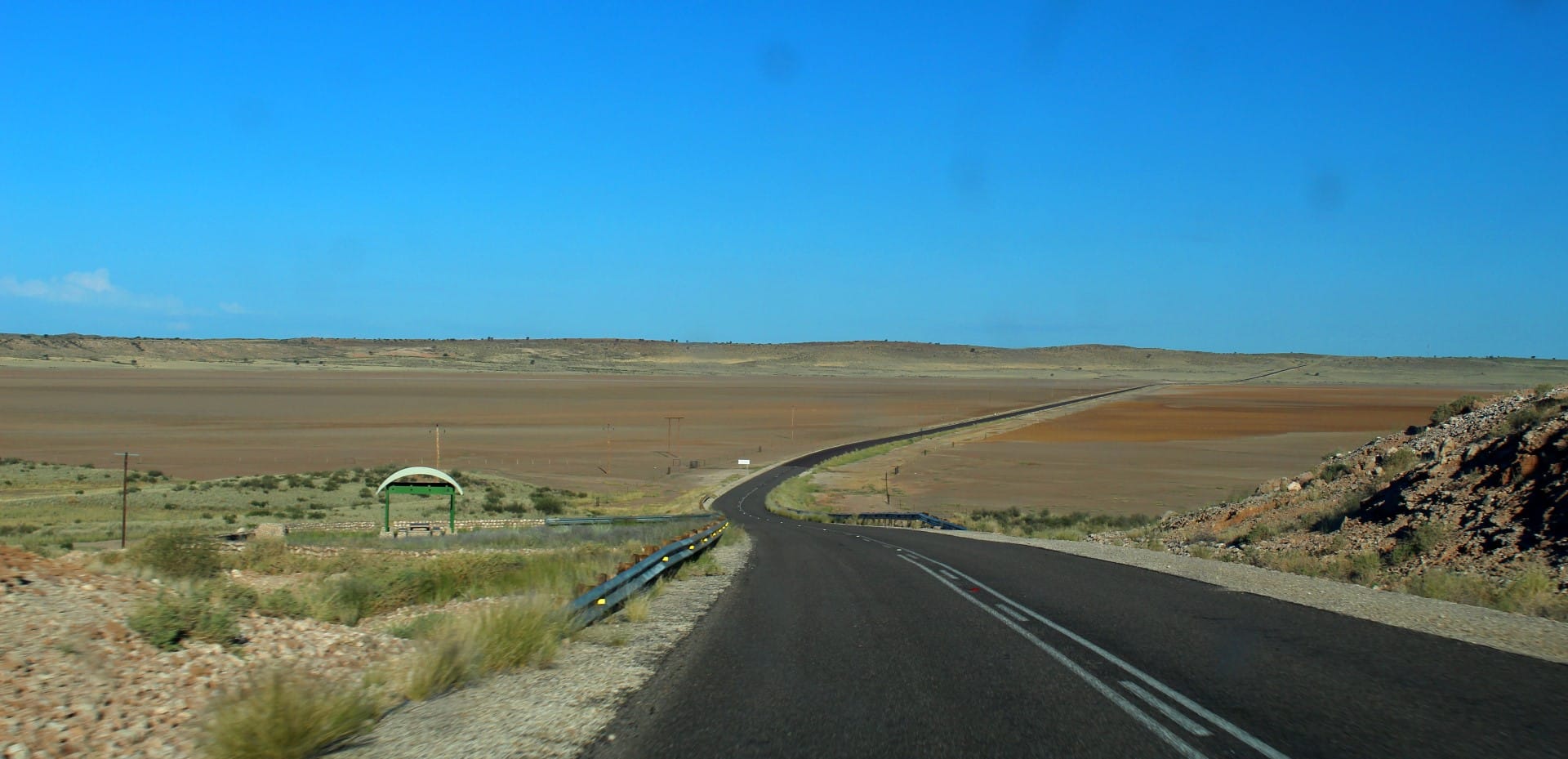
There is also honesty in recognising that Christmas travel is not always idyllic. Traffic backs up near toll plazas. Coastal towns swell beyond comfort. Temperatures push patience thin. Yet these frustrations are part of the ritual. They confirm participation in a wider, collective movement.
Millions of South Africans are chasing the same thing at the same time: rest, connection, and a sense of pause.
What stands out most, looking back, is how Christmas has become less about destination and more about context. A quiet walk along the Sabie River on Christmas afternoon. A late swim at Wilderness Beach as the sun drops. A night drive through the bush where stars outnumber expectations. These experiences do not replace tradition. They reshape it.
Travel addiction is often misunderstood as restlessness or avoidance. At Christmas, it feels closer to curiosity. The desire to see how the season unfolds in different landscapes, among different rhythms. It is about learning that celebration does not need uniformity. It needs presence.
As Christmas approaches, the maps may come out. Routes are traced, distances checked, and weather patterns considered. Yet the real preparation is internal. It is the quiet acceptance that movement has become part of how meaning is made.
For the travel addict, Christmas is not an interruption to their routine. It is a clear expression of it.
🔴 You might also like to read:
 Mariana Balt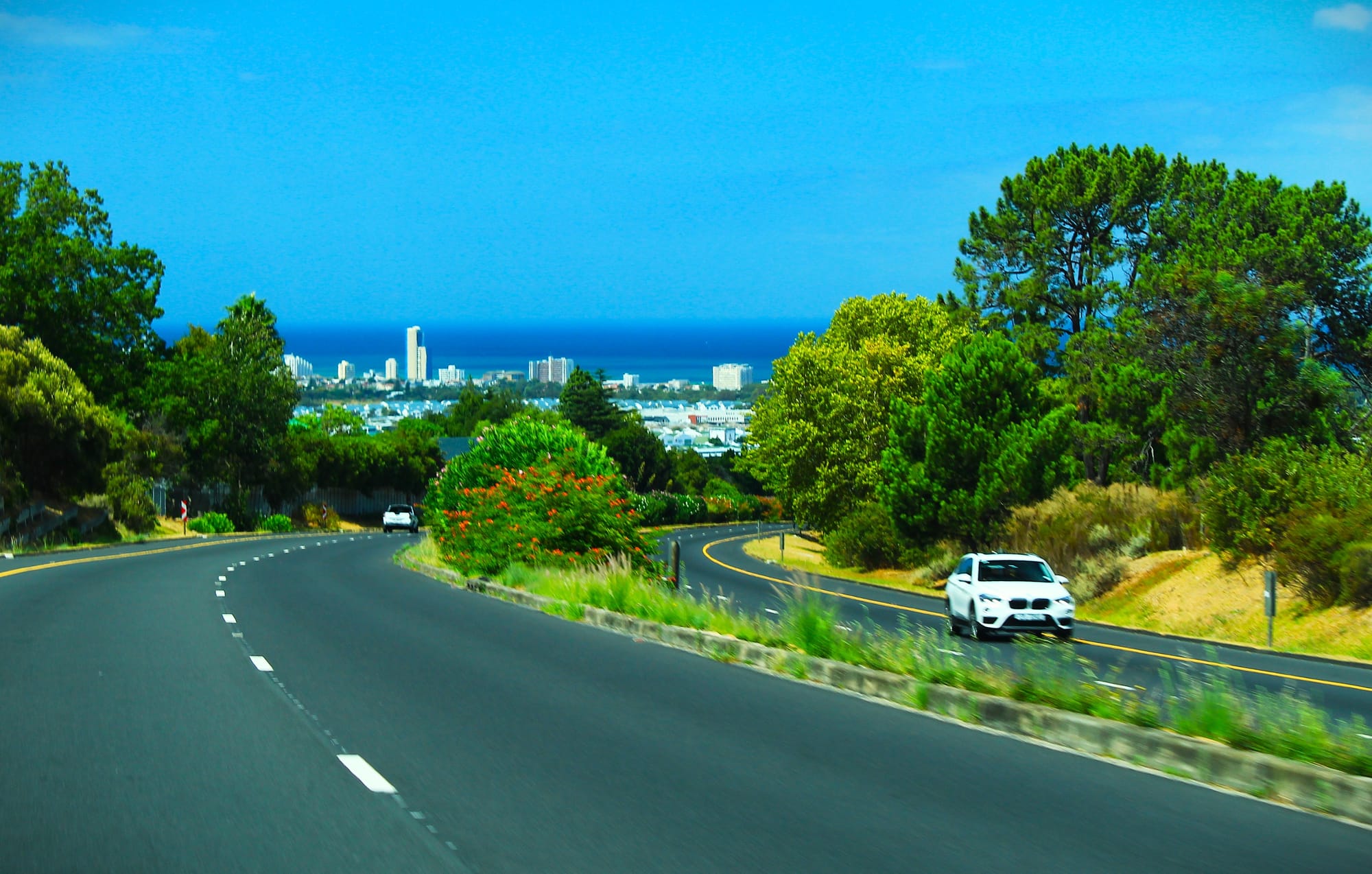
 Mariana Balt

Comments ()