
Where to travel in March as southern Africa enters its quiet prime
March is one of southern Africa’s best-kept travel secrets. From Cape Town’s calm coastline to Botswana’s rising delta waters and Namibia’s glowing deserts, this is a month at ease with itself.
🔴 You might also like to read:
 Mariana Balt
 Mariana Balt
March marks a subtle shift across southern Africa. The intense heat of high summer begins to soften, school holidays have ended, and landscapes remain lush from seasonal rains.
For travellers seeking favourable temperatures and fewer crowds, this is one of the region’s most rewarding months.
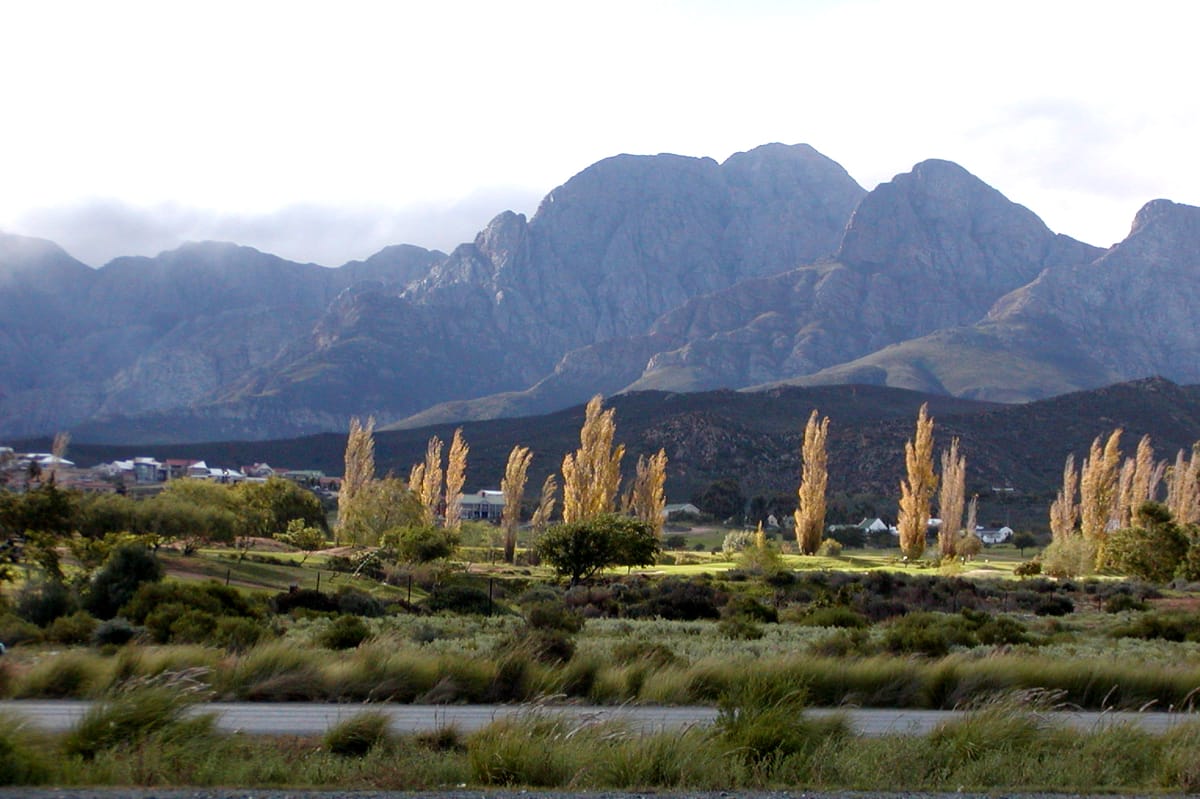
In South Africa, the Western Cape enters a golden window. Cape Town’s southeaster wind eases, vineyards in Stellenbosch and Franschhoek prepare for harvest, and beaches along the Atlantic Seaboard feel spacious. Table Mountain stands clear on many mornings, free from the thick cloud that sometimes blankets it in mid-summer. Driving Chapman’s Peak towards Hout Bay becomes a pleasure rather than a traffic negotiation.
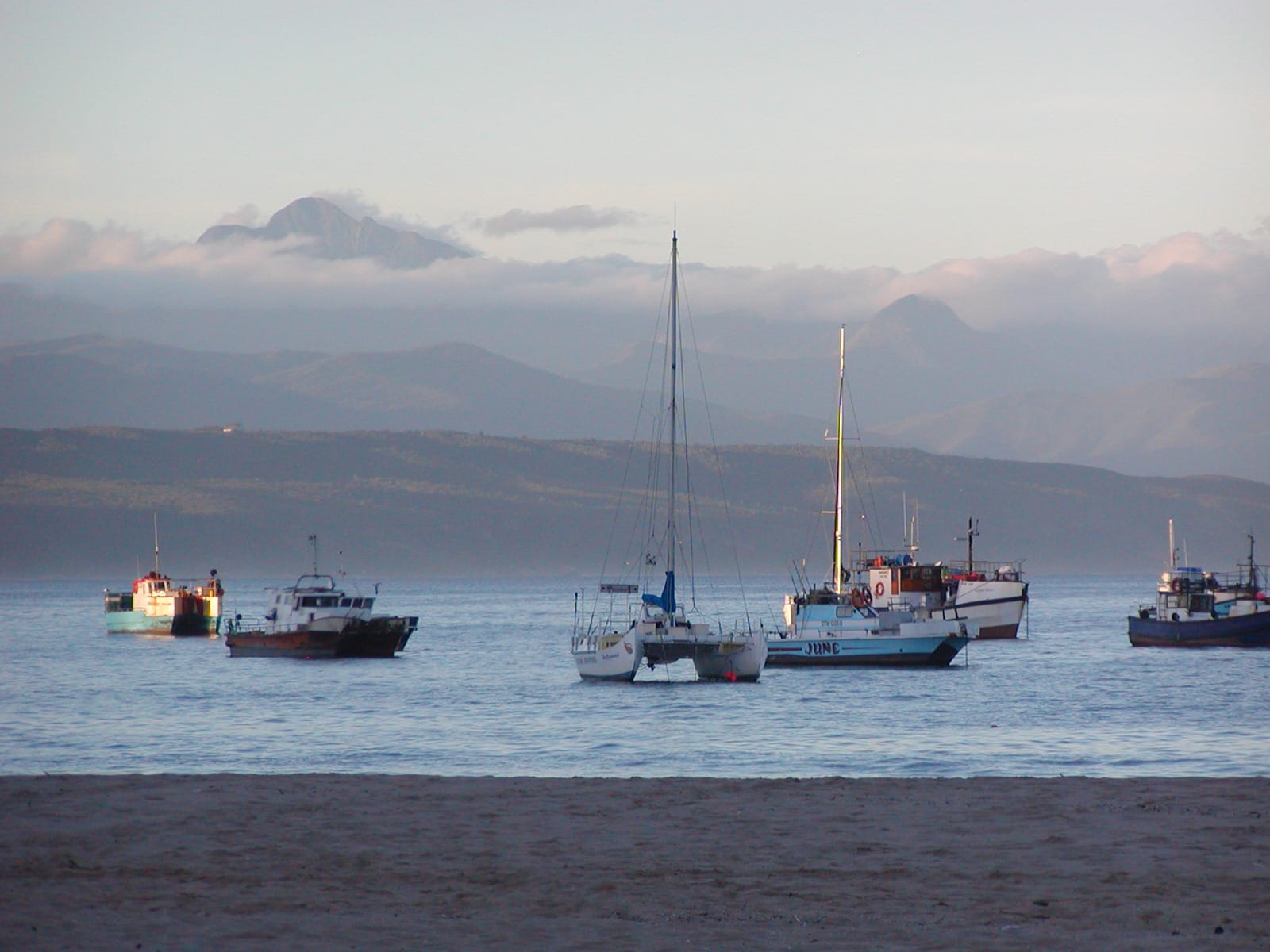
Further east, the Garden Route between Mossel Bay and Tsitsikamma offers warm seas and green forests. The N2 is quieter, allowing unhurried stops in Knysna for lagoon views and in Wilderness for long beach walks. Daytime temperatures hover in the mid-twenties, ideal for hiking in Robberg Nature Reserve near Plettenberg Bay.
March is also a prime safari month in Botswana. The Okavango Delta begins to receive floodwaters from Angola, transforming dry channels into navigable waterways. Game viewing remains strong, with newborn antelope visible after the rainy season. Rates are often lower than in peak July and August, offering value without sacrificing wildlife density.
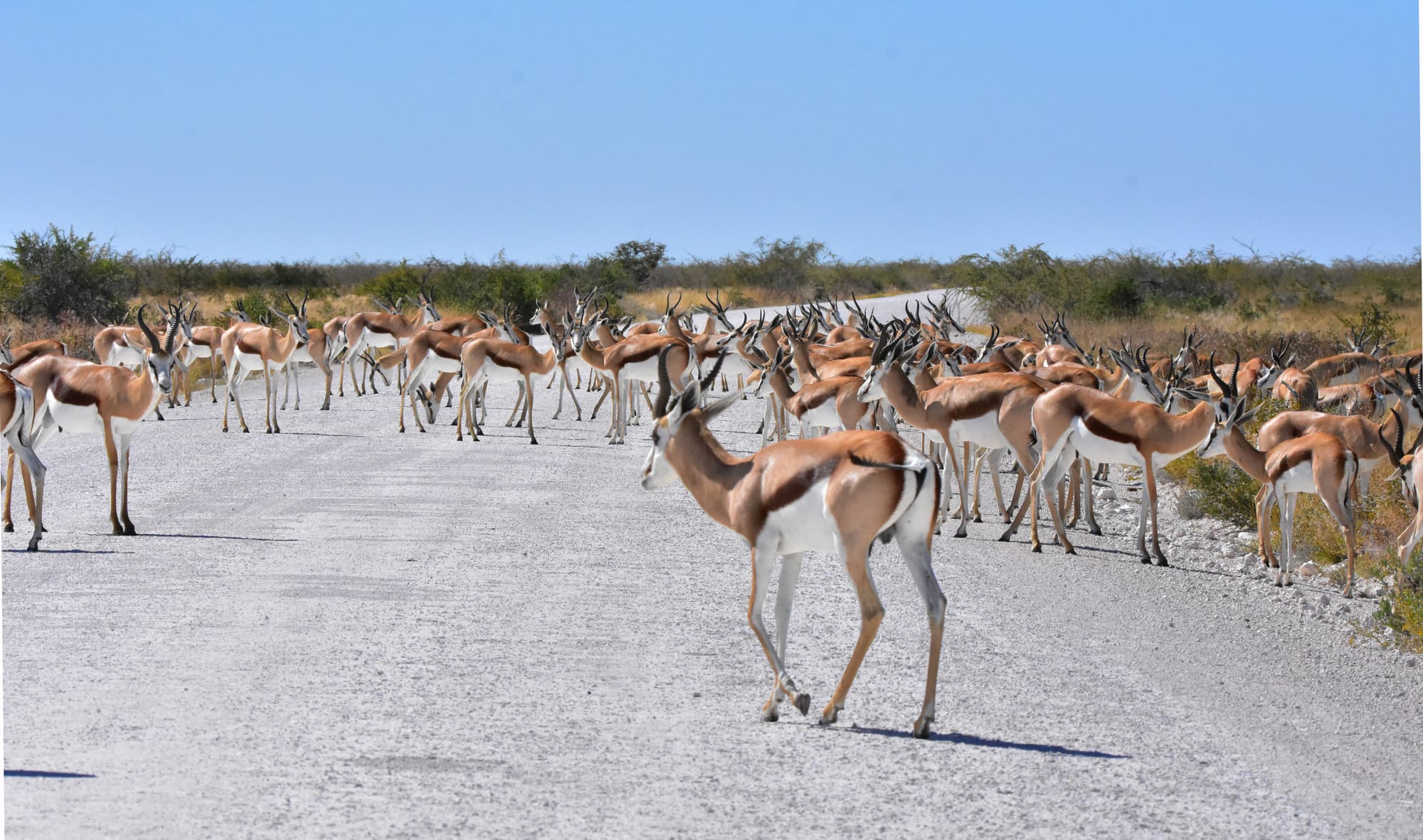
In Namibia, the desert landscapes around Sossusvlei glow after sporadic summer rains. Temperatures are still high but less punishing than in January. The Etosha Pan holds water in seasonal pans, attracting herds of springbok and zebra. Photographers appreciate the clearer air that follows storms.
Mozambique’s coastline, particularly around Vilanculos and the Bazaruto Archipelago, enjoys warm Indian Ocean waters in March. Tropical downpours may occur, yet they tend to pass quickly. Diving conditions remain favourable, and the summer holiday rush has faded. Dhow sails cut across turquoise shallows without a flotilla of jet skis in sight.
For travellers drawn to culture, March in Johannesburg and Pretoria carries a steady rhythm. Outdoor markets resume weekend trade after the festive season lull. The Highveld’s late summer thunderstorms clear the air, leaving evenings cool and scented with wet earth.
Distance matters in planning. From Johannesburg, a three-hour flight reaches Maun in Botswana. Cape Town to Windhoek takes about two hours by air. Road trippers heading from Cape Town to the Garden Route cover roughly 400 kilometres to Plettenberg Bay, an easy half-day drive with scenic pauses.
March rewards flexibility. Wildlife sightings may depend on recent rainfall patterns. Coastal plans benefit from checking local weather forecasts.
The month sits between high and shoulder seasons in many destinations, which translates into better availability at boutique lodges and guesthouses.
Modern Western travellers often default to European spring breaks in March. Southern Africa offers an alternative where landscapes remain vibrant, and sunlight lingers well into the evening. Restaurants feel relaxed, tour guides have time for conversation, and national parks are not gridlocked with vehicles.
Choosing where to travel in March ultimately depends on personal pace. Cape Town suits those who enjoy city energy paired with the mountain and sea. Botswana appeals to wildlife enthusiasts seeking water-based safari experiences. Namibia attracts those craving space and stark horizons. Mozambique calls to beach lovers who prefer sand without crowds.
The common thread is balance. March provides warmth without oppressive heat, green scenery without peak pricing, and access without congestion. For travellers willing to look south, this is a month at ease with itself.
🔴 You might also like to read:
 Mariana Balt
 Mariana Balt


Comments ()