
Where can I travel to in February?
February travel in Southern Africa rewards those who follow the rhythm of the season rather than the crowd.
🔴 You might also like to read:
 Mariana Balt
February is often misunderstood. In Southern Africa, it sits at the height of summer, when rain reshapes landscapes, wildlife behaviour shifts, and popular routes soften into something quieter and more reflective.
For travellers willing to read the season properly, February opens doors to places that feel alive, generous, and less hurried. This is not a month for ticking boxes. It is a month for colour, movement, and regional rhythm.
Along South Africa’s eastern edge, the KwaZulu-Natal coast settles into a warm, humid flow. Durban and Umhlanga hum with daily life rather than peak season crowds, while the Indian Ocean holds steady temperatures ideal for swimming. Further north, the iSimangaliso Wetland Park stretches from Cape Vidal to Kosi Bay, where summer rain feeds lakes, estuaries and dune forests. The R618 from Mtubatuba remains the main artery into the park, and while showers pass through, they rarely linger all day. February here suits slow exploration, guided walks, and marine experiences that align with conservation-led tourism models supporting local communities.
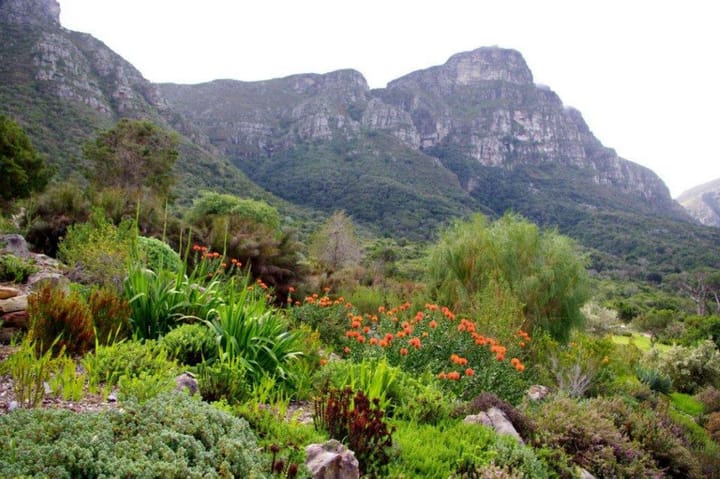
Inland, the Drakensberg shows a different face in February. Cathedral Peak, Monk’s Cowl and the Amphitheatre sit under dramatic skies, with afternoon storms rolling across basalt cliffs. Hiking is best approached early in the day, especially along routes like the Tugela Gorge trail accessed from the Royal Natal National Park. Rivers run full, waterfalls cut new lines down rock faces, and grasslands glow green. The distance from Durban to the central Berg, roughly 250 kilometres via the N3 and R74, keeps the region accessible for short stays without long travel fatigue.
Kruger National Park enters its secret season in February. The bush is thick, the grasses are high, and animals spread out across the landscape. Sightings require patience, yet the rewards feel more intimate. The Sabie and Crocodile rivers flow strongly, birdlife peaks with migrant species, and newborn impala draw predators into view.
Southern camps such as Lower Sabie and Skukuza benefit from good road networks, including the H4-1 and H10, which remain reliable even after rain. February visits here align well with ethical travel principles, as revenue supports year-round conservation rather than seasonal pressure.
Across the border in Mozambique, the Bazaruto Archipelago continues to operate gently through February. Vilankulo, reached via short flights or the EN1 from Inhambane, serves as the gateway. Rainfall is possible, yet mornings are often calm, with dhow sails cutting across pale water. February is important for marine conservation efforts here, particularly research around dugongs and reef systems. Lodges scale back rather than close, which supports local employment while keeping visitor numbers low.
Namibia offers a quieter, greener counterpoint. In the central highlands around Windhoek and the Khomas Hochland, summer rain transforms dry valleys into grazing land. Etosha National Park becomes more challenging for classic game viewing, as animals disperse away from waterholes. The reward lies in scenery and birdlife, especially around the western edge near the Galton Gate. Roads such as the C38 remain passable with caution, and travel here in February suits those drawn to the landscape rather than spectacle.
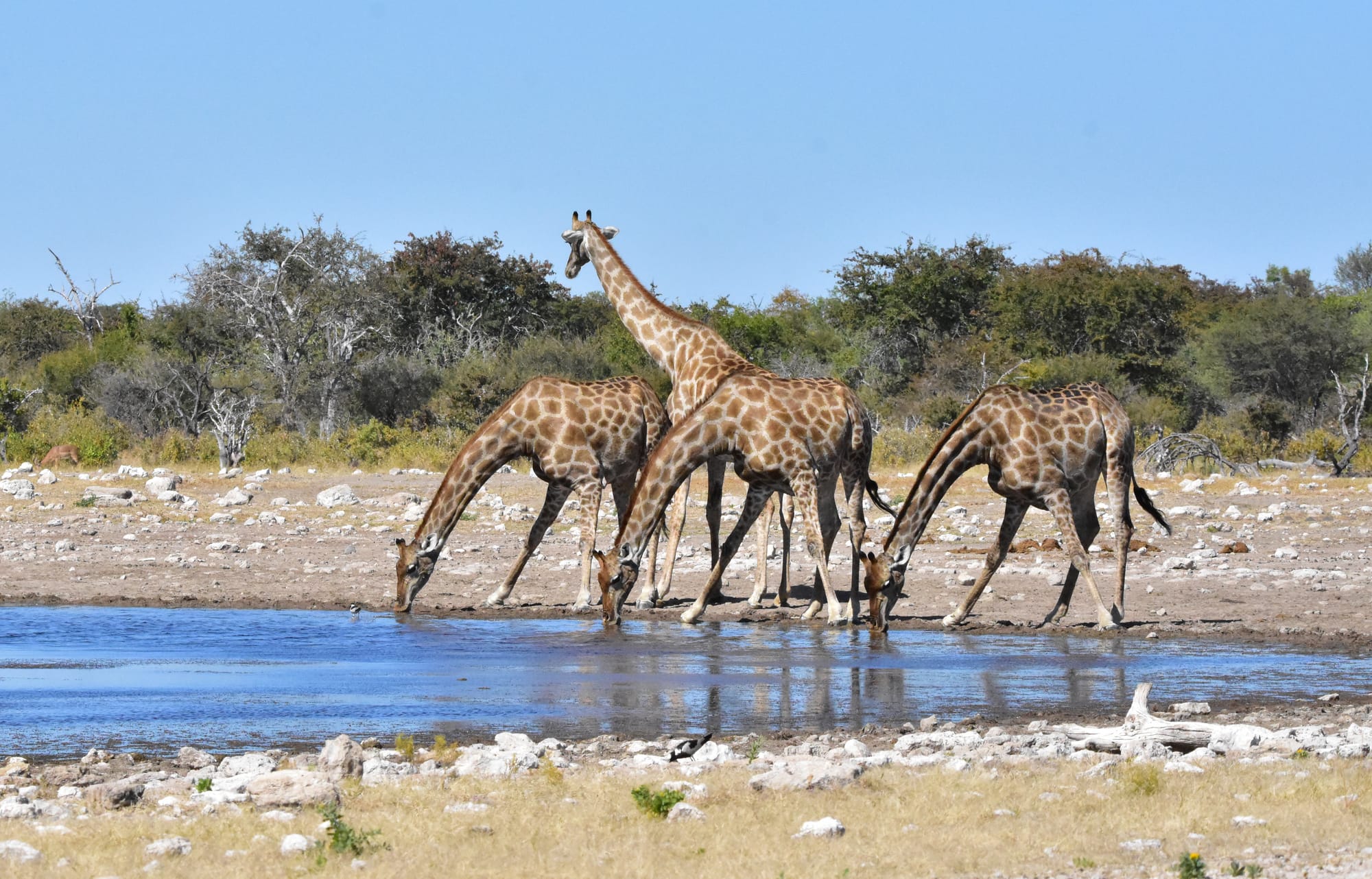
Zimbabwe’s eastern highlands come into their own at this time of year. Nyanga National Park, reached via the A14 from Mutare, sits high enough to escape oppressive heat. Rain feeds rivers like the Pungwe, and montane forests feel fresh and quiet. February travel here supports community-based tourism initiatives that rely less on peak international traffic and more on regional visitors.
For travellers willing to look slightly further north, Tanzania’s coast offers a compelling February option. Zanzibar experiences short, sharp showers rather than constant rain, with long stretches of calm weather between. Stone Town’s narrow streets provide shelter and shade, while the east coast beaches near Michamvi feel spacious. February also marks a key moment in the Serengeti, where the southern plains host calving season. This period supports predator populations and long-term ecosystem balance, making responsible safari travel particularly meaningful.
February asks for flexibility and curiosity. Routes remain open, distances manageable, and experiences richer for those who travel with the season rather than against it. Across Southern Africa and into East Africa, this month rewards travellers who value atmosphere, ethical choices, and places allowed to breathe.
🔴 You might also like to read:
 Mariana Balt

Comments ()