
Victoria Falls as a special destination
Victoria Falls blends natural power with cultural richness, creating an experience that feels both dramatic and deeply grounded.

🔴 You might also like to read:
 Mariana Balt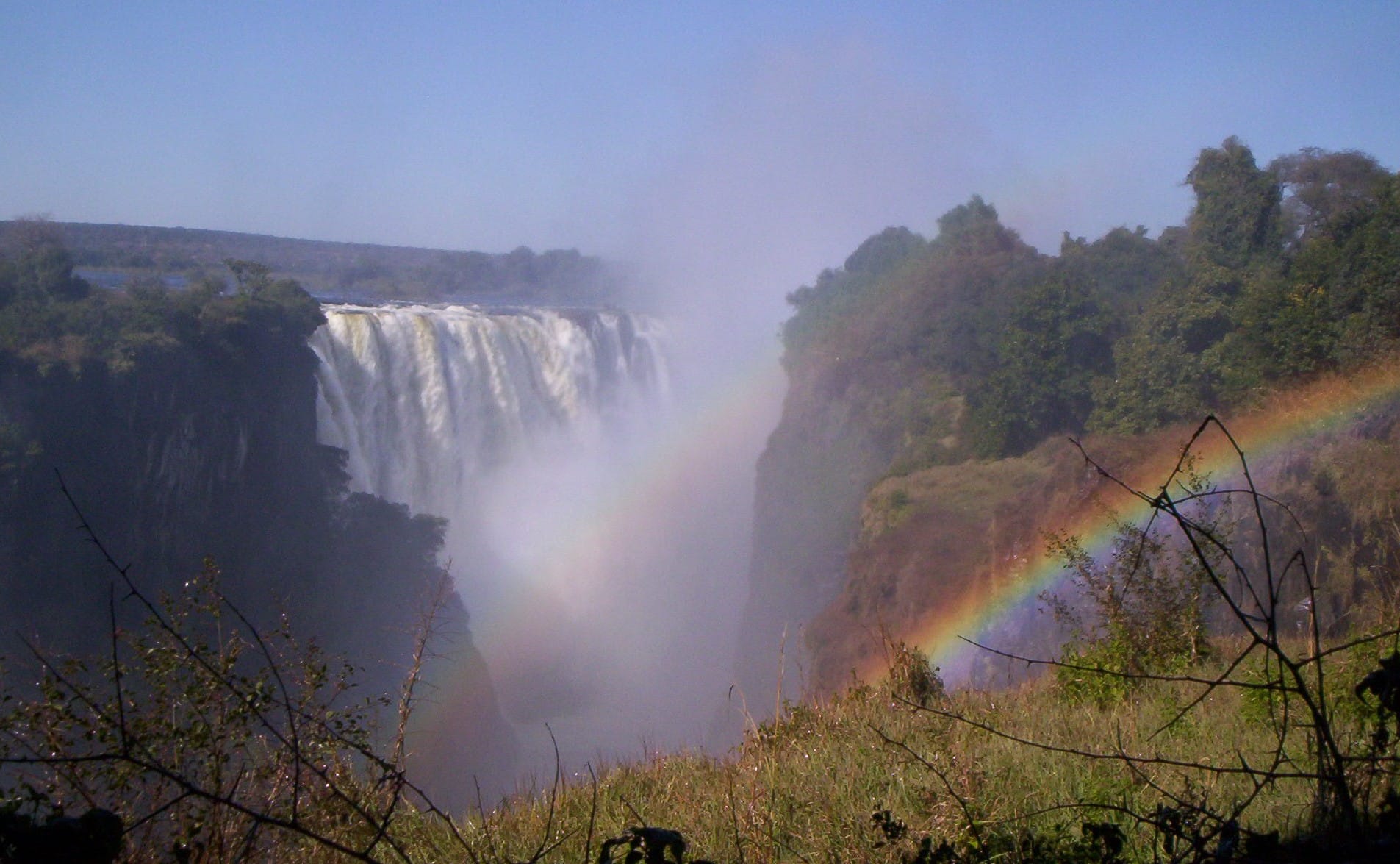
Victoria Falls remains one of the most compelling natural destinations in Southern Africa, not only for its scale but also for the character of the Zambezi River that feeds it.
Travellers approaching from the Zimbabwean side along the A8 from Bulawayo to Victoria Falls town sense the shift in atmosphere long before they see the water.
The surrounding landscape grows greener as the spray rises above the treetops. Locals call this constant plume Mosi oa Tunya, meaning the smoke that thunders. The phrase captures both the spectacle and the cultural significance that has shaped generations living along the Zambezi.
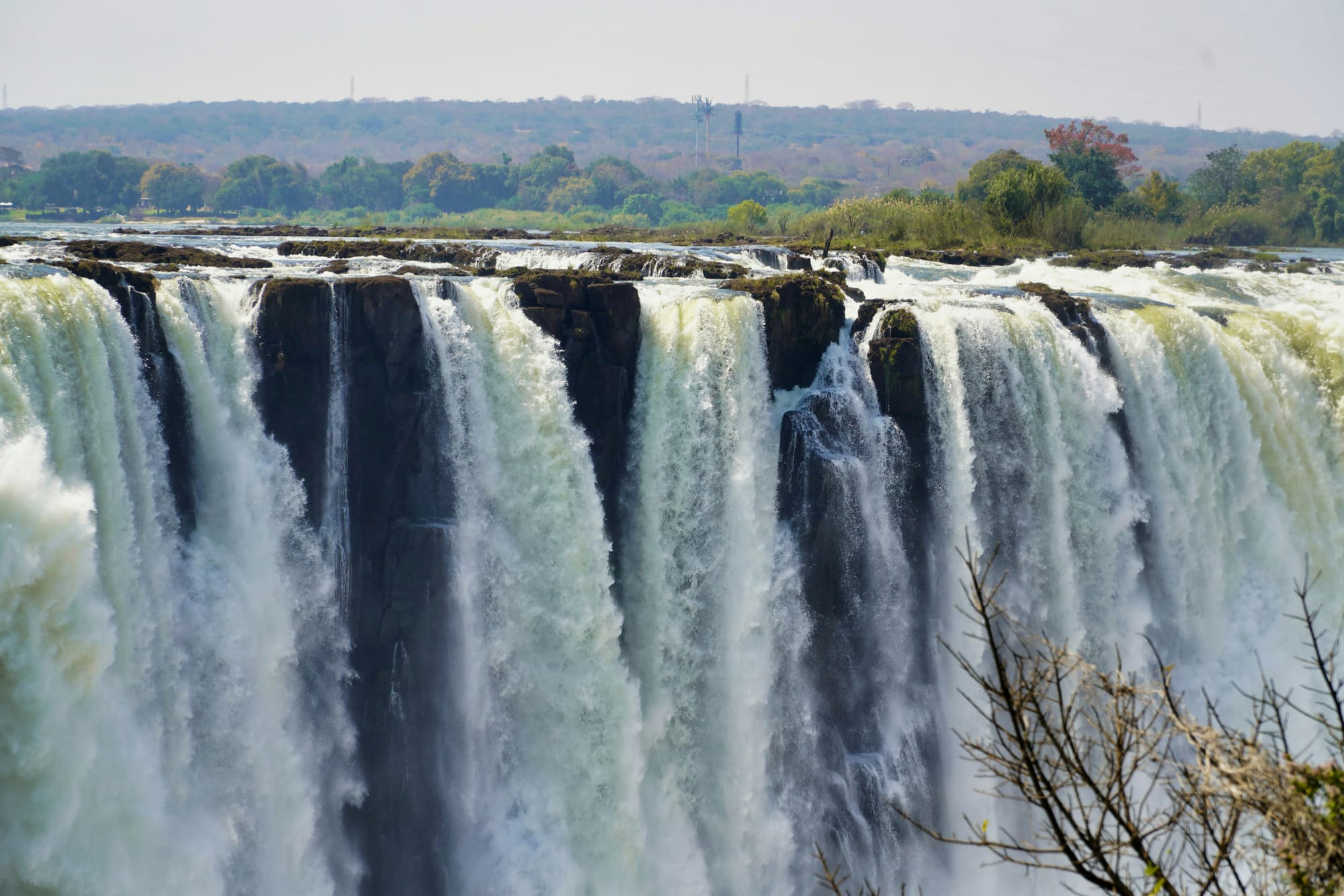
Victoria Falls town is small enough to explore on foot, with its market stalls, wildlife corridors and occasional elephant footprints after a night-time wander. The entrance to the falls lies within the Victoria Falls National Park, where a network of paths leads to viewpoints that reveal the curtain of water from different angles.
Each viewpoint offers a fresh sense of scale. The Main Falls section is the widest and produces the strongest spray between February and May when seasonal rains fill the Zambezi. During the dry months, the geology becomes clearer. Travellers see the deep basalt gorges that the river carved over thousands of years, marking the retreat of earlier waterfalls.
The Knife Edge Bridge remains one of the most atmospheric walkways in the park. The spray often drifts across its length in a fine mist that settles on clothing and camera lenses. Clear days offer views of the Eastern Cataract on the Zambian side and the rising columns of spray that give the falls their local name. The sound of the water creates a low rumble that follows visitors throughout the walk. It becomes a constant reminder of the river’s force and the sheer volume that thunders into the gorge below.
Curiosity often draws travellers to the Victoria Falls Bridge. The bridge sits just above the Second Gorge and links Zimbabwe with Zambia. It was completed in 1905 as part of Cecil Rhodes’s vision for a railway route through Africa. The structure offers impressive views over the river and remains a popular point for photography. The Zambezi’s turquoise colour contrasts beautifully with the dark basalt walls, especially in the midday light.
The river above the falls rewards anyone interested in quieter scenes. Islands and channels form a gentle mosaic of water and shallow sandbars. Boat cruises on this upper section often reveal hippos, crocodiles and a variety of bird species such as African skimmers and trumpeter hornbills. The calmer water upstream provides a surprising contrast to the power witnessed at the falls themselves. Sunset cruises remain popular, yet early morning outings bring softer light and a greater sense of tranquillity.
Travellers planning extended days in the region often include the Zambezi National Park, which begins only minutes from the town centre. The park’s river frontage offers chances to see elephants, giraffes and the occasional lion pride in a relatively uncrowded environment.
The Chamabonda area in the southern stretch of the park has mopane woodlands and seasonal pans that attract wildlife during warmer months. The drive from the park gate to these remote areas provides a welcome shift from the bustle of town.
Victoria Falls also acts as a gateway to regional adventures. Trips to Hwange National Park, Chobe National Park and Lake Kariba often start or end here. This makes the destination ideal for travellers wanting variety without long transfers. The town’s airport connects directly to major hubs such as Johannesburg, Cape Town and Harare. The relative ease of arrival enhances the appeal for visitors with limited time but high expectations for natural beauty and local culture.
Local artisans remain an important part of the experience. Stone sculptures, wooden carvings and woven baskets reflect the region’s creative tradition. The Elephant’s Walk shopping village hosts several studios where travellers can meet artists and learn about the symbolism behind their pieces. This interaction often strengthens the connection between travellers and the region, grounding the visit in more than visuals.
🔴 You might also like:
 Mariana Balt
 Naomi Roebert


Comments ()