
There’s much beyond the flower frenzy in the West Coast National Park
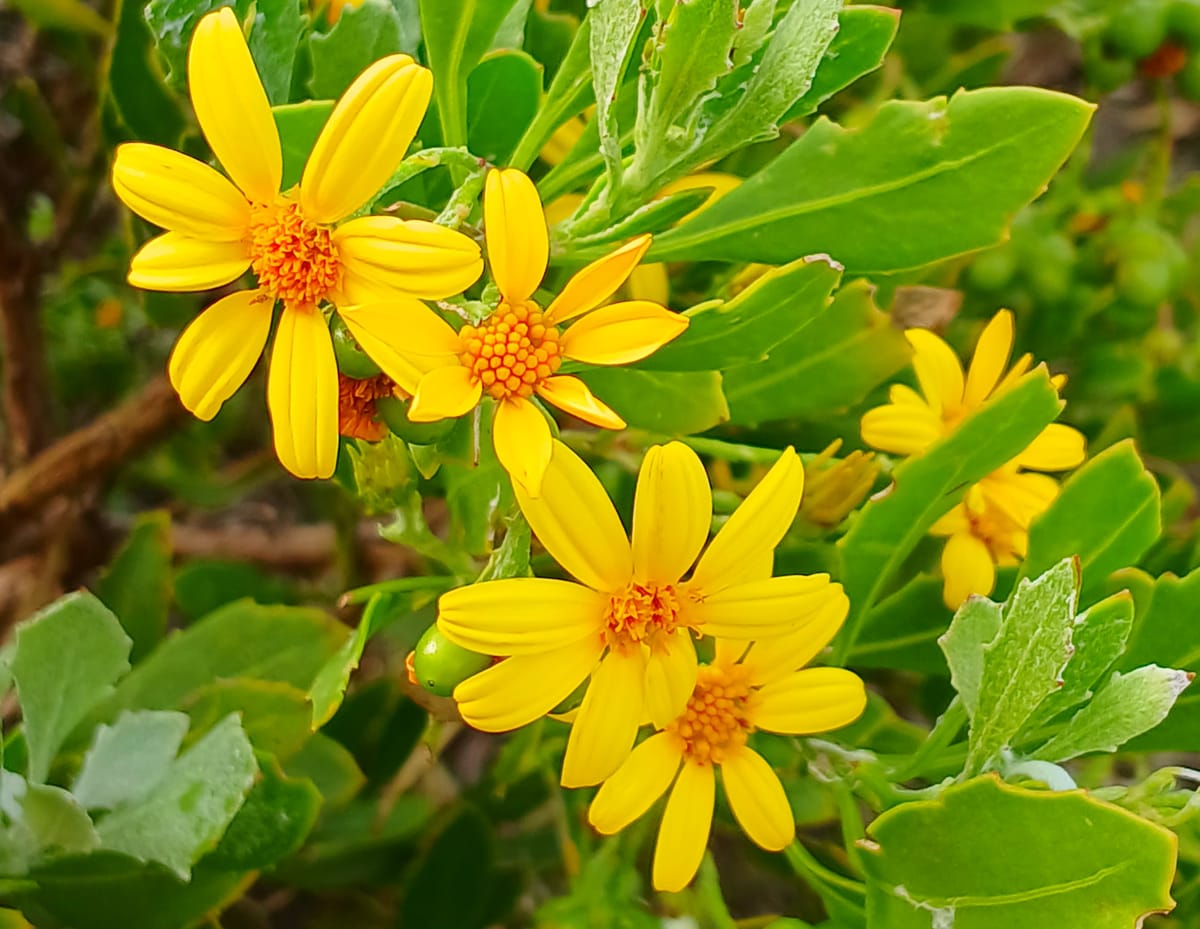
The West Coast National Park offers a lot of depth well beyond its famous spring flowers.
🔴 You might also like to read:
 Mariana Balt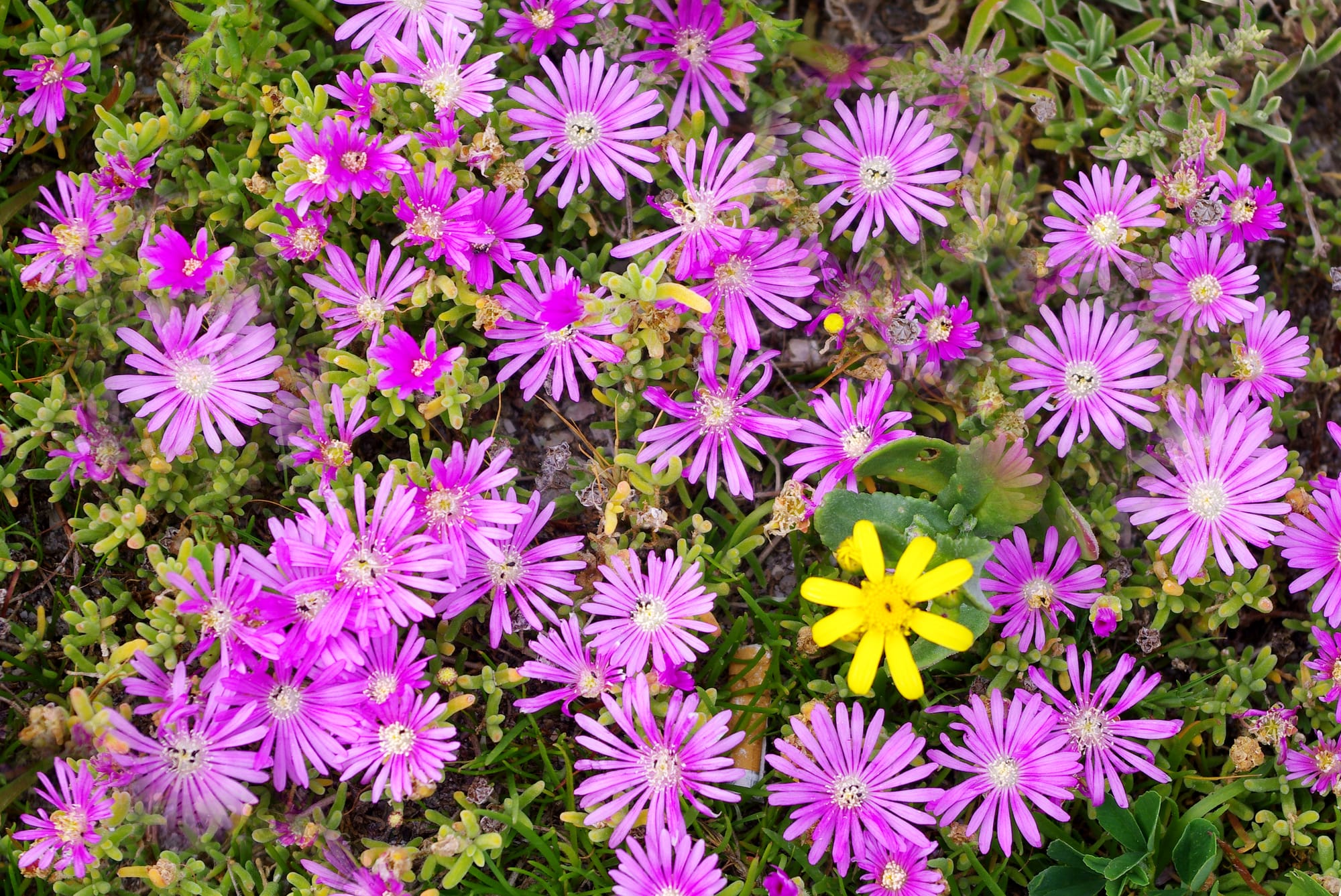
West Coast National Park lies along South Africa’s Atlantic shoreline, approximately 100 kilometres north of Cape Town via the R27.
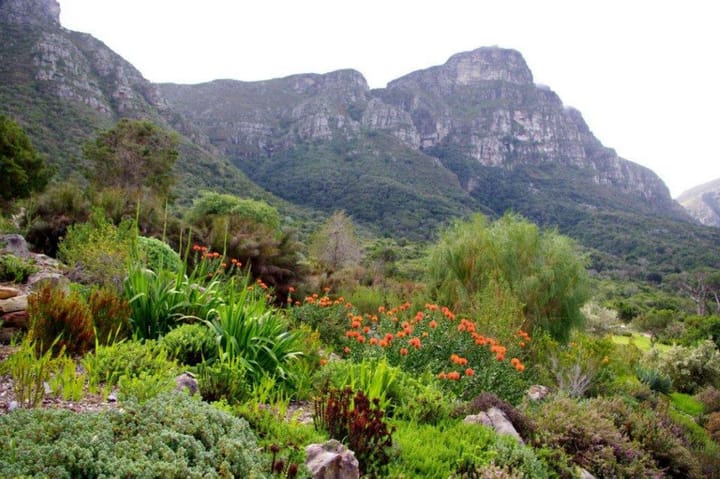
Enclosing the Langebaan Lagoon, the park is widely associated with spring wildflowers, yet its character extends far beyond this brief seasonal display. Coastal fynbos, granite outcrops and tidal flats combine to create a landscape shaped by wind, light and water.
Flower season usually peaks between August and September, following winter rainfall. During this period, areas such as Postberg erupt in colour, drawing visitors from across the country. Rainfall patterns influence the density and timing of blooms, ensuring no two seasons are identical. Outside this window, the park adopts a quieter tone where subtler details come into focus.
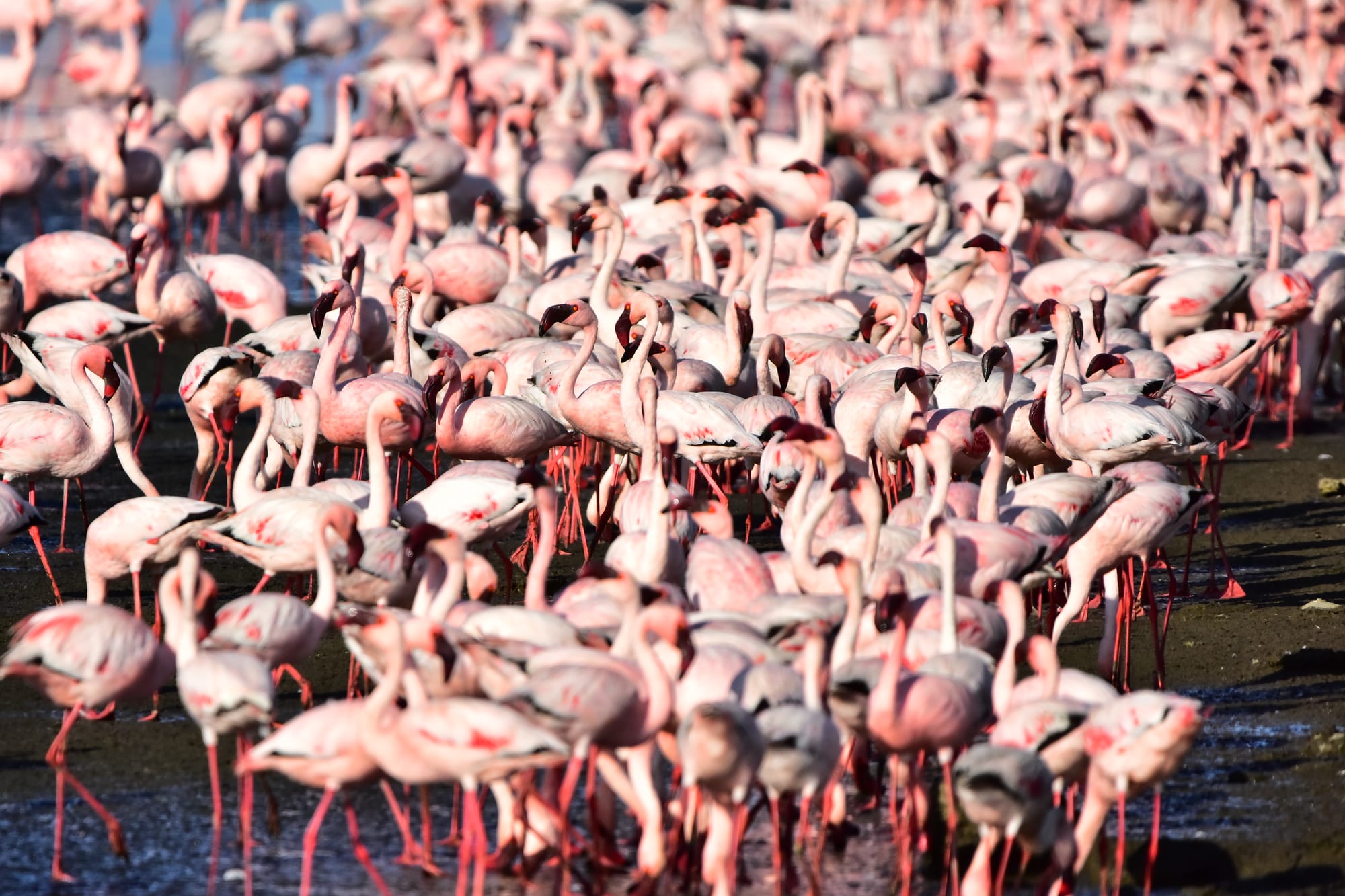
The Langebaan Lagoon remains central throughout the year. Sheltered from the open Atlantic, its shallow waters support rich birdlife and marine activity. Flamingos, pelicans and numerous wader species feed along the shoreline, particularly during summer when migratory birds arrive from the northern hemisphere. Bird hides at Geelbek and Abrahamskraal provide close observation without disturbance.
On land, wildlife includes eland, bontebok, steenbok and ostrich, often encountered along self-drive routes that traverse former farmland incorporated into the park. Cycling trails follow these old roads, offering gentle gradients and expansive views. Walking paths lead to coastal viewpoints overlooking Saldanha Bay, where fishing vessels and seabirds share the horizon.
Historical layers enrich the experience. Geelbek Homestead reflects the region’s agricultural past, while nearby fossil sites reveal a much older story of prehistoric rivers and large mammals. These elements place present-day conservation within a deeper temporal framework.
Accommodation options range from lagoon-facing chalets to a campsite within the park. The nearby town of Langebaan offers guesthouses, self-catering units and restaurants specialising in seafood and local produce, making extended stays convenient.
Seasonal change shapes the atmosphere. Summer brings warm temperatures and strong afternoon winds favoured by kite surfers. Winter introduces cooler days, dramatic skies and fewer visitors, lending intimacy to exploration. Accessibility remains consistent year-round, reinforcing the park’s role as a coastal retreat close to the city.
West Coast National Park reveals its character through repetition and restraint. Once the flowers fade, what remains is a landscape rich in nuance and quiet reward.
🔴 You might also like to read:
 Mariana Balt


Comments ()