
Take only memories and leave only footprints when you travel
Responsible travel across Southern Africa means protecting landscapes, respecting cultures, and supporting sustainable tourism practices.

Across Southern Africa’s wild and cultural landscapes, responsible travel increasingly shapes how visitors experience the region.
Environmental awareness often begins with simple preparation. Visitors heading into Kruger National Park from Malelane Gate learn quickly that strict rules govern waste disposal, wildlife interaction, and off-road driving. Distances between camps such as Skukuza and Satara exceed 90 kilometres, encouraging travellers to plan fuel stops and picnic supplies carefully.
Carrying reusable containers reduces litter and minimises pressure on already strained waste systems. Cultural sensitivity carries equal importance. In Lesotho’s highlands near Sani Pass, local communities maintain traditions shaped by altitude and isolation.
Travellers who greet residents politely, purchase crafts directly from artisans, and respect photography etiquette contribute positively to fragile rural economies. Ethical tourism thrives when visitors recognise that cultural heritage holds value beyond picturesque backdrops.
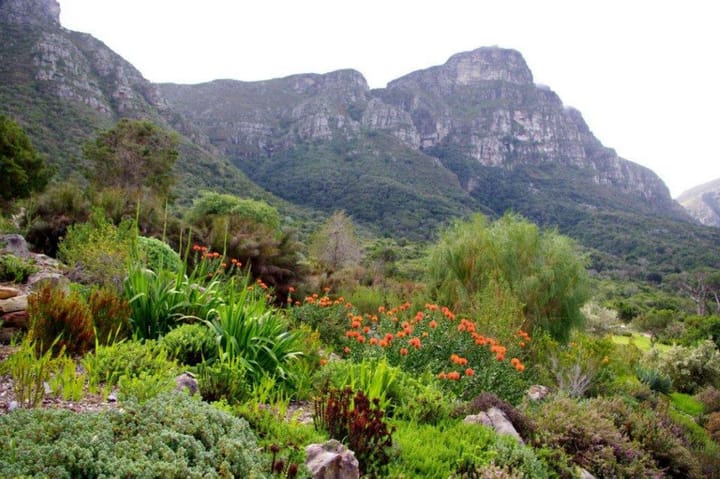
Footprints themselves can tell complex stories. Hiking trails in Table Mountain National Park welcome thousands each year, yet erosion threatens sections of popular routes like Platteklip Gorge.
Staying on marked paths protects indigenous fynbos and prevents habitat fragmentation. Rangers frequently remind visitors that shortcuts may save minutes while causing long-term damage to ecosystems that evolved over centuries.
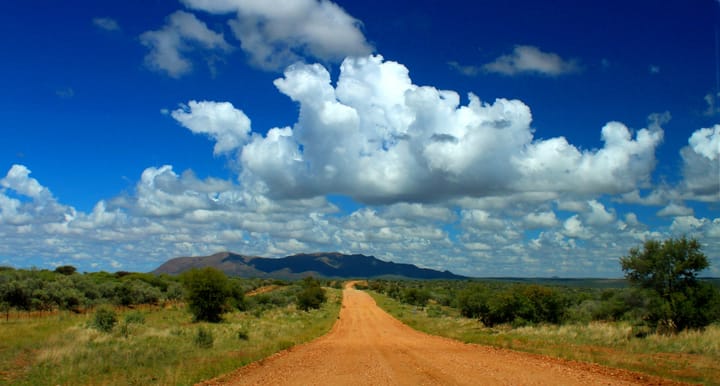
Water conservation also plays a vital role. Regions such as the Karoo receive less than 300 millimetres of rainfall annually. Guesthouses in towns like Graaff Reinet encourage short showers and responsible linen use during drought periods. Travellers who adapt willingly support communities facing unpredictable climate patterns. Small actions taken consistently create meaningful change across wide landscapes.
Responsible safari behaviour reflects similar principles. Keeping noise levels low near wildlife sightings in Chobe National Park allows animals to move naturally without stress. Tour operators increasingly adopt low-impact practices, from solar-powered lodges to strict vehicle limits at riverfront viewpoints. Visitors who choose such providers help promote sustainable industry standards. The philosophy of leaving only footprints extends to coastal environments. Along the Wild Coast between Coffee Bay and Port St Johns, pristine beaches often appear untouched.
Collecting shells or disturbing dune vegetation may seem harmless in isolation, yet cumulative effects can alter fragile coastal systems. Guided walks led by local conservation groups offer deeper insight into marine ecology while supporting employment opportunities.
Travel memories grow richer when shaped by respect.
Conversations with guides, farmers, and conservationists reveal how tourism influences daily life across Southern Africa. Visitors who listen carefully often discover ways to contribute, whether through community-based projects or mindful spending choices. The region’s diversity rewards curiosity paired with humility.
Journeys guided by this ethos create lasting connections. Returning home with photographs, stories, and a renewed sense of responsibility transforms travel into shared stewardship.

Comments ()