
Southern or northern Kruger National Park: which should you visit?
Choosing between the southern and northern Kruger Park is less about which is better and more about the kind of journey you want to have.
🔴 You might also like to read:
 Mariana Balt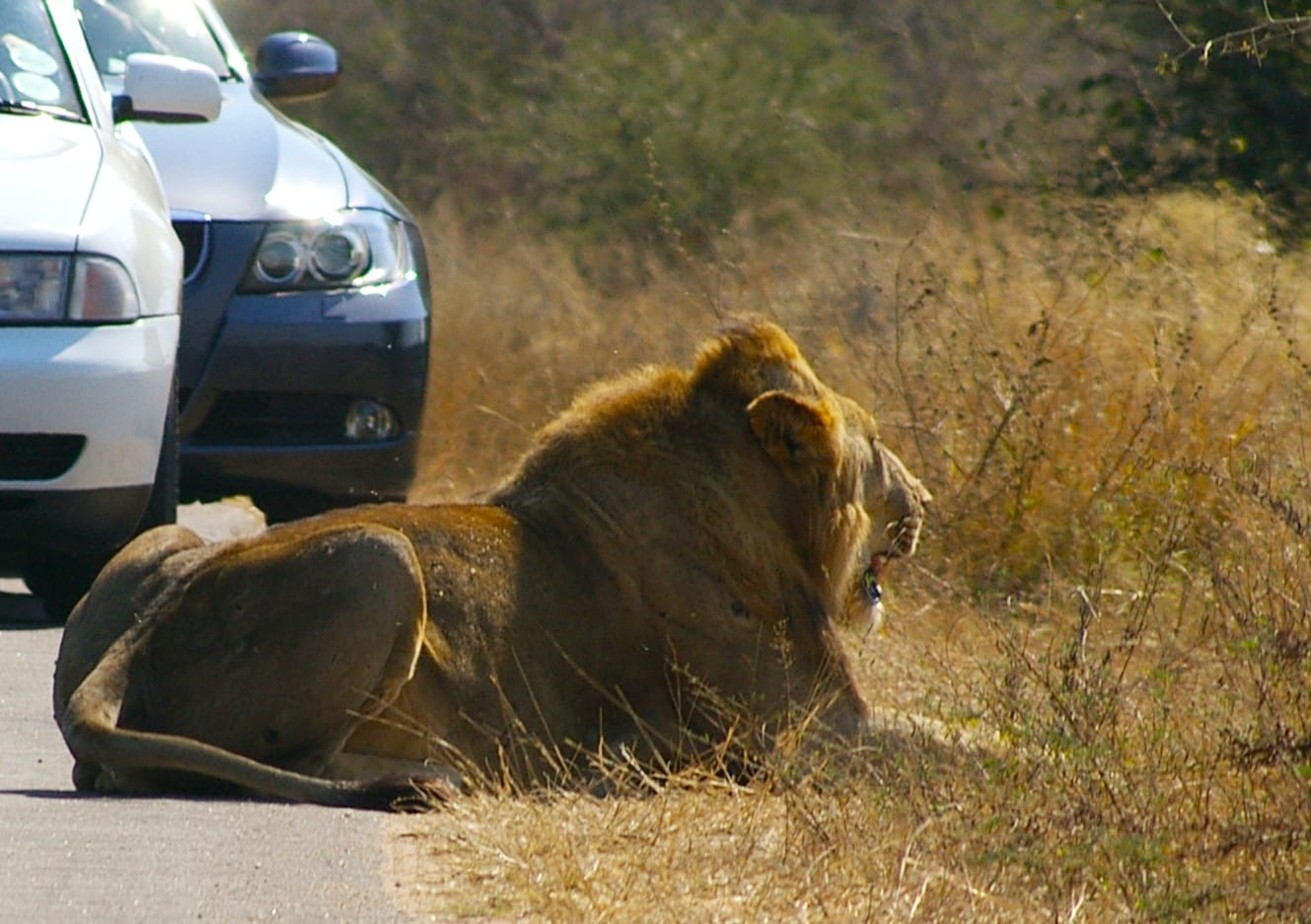
 Mariana Balt
Few places in southern Africa provoke as much friendly debate as Kruger National Park. Ask seasoned travellers whether the southern or northern reaches are better, and the answers often reveal more about the traveller than the park itself.
Kruger stretches nearly 360 kilometres from Crooks’ Corner in the north to Malelane Gate in the south, and this vast scale means no single experience defines it.
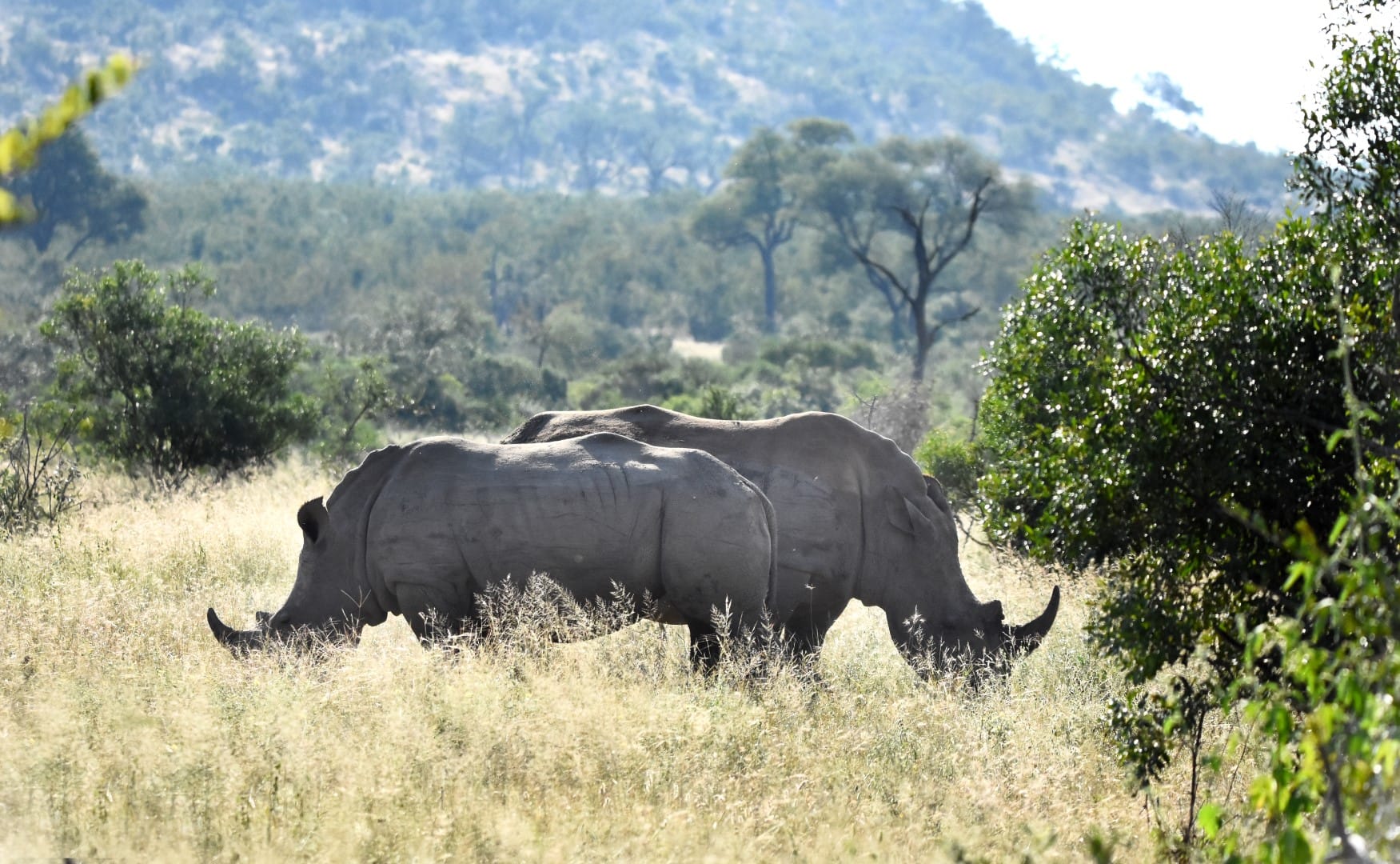
The southern region, from Malelane and Crocodile Bridge up to Satara, carries an undeniable immediacy. Roads like the H4-1 along the Crocodile River and the H1-1 north of Skukuza place visitors in landscapes where wildlife density is visibly high. Open savanna, mixed woodland, and permanent water sources create reliable game viewing, particularly for lion, leopard, and white rhino. For first-time visitors, the south offers reassurance.
Camps such as Lower Sabie, Skukuza, and Berg-en-Dal provide a polished introduction, with well-marked routes and easy access from Nelspruit or the Maputo Corridor via the N4.
This accessibility, however, shapes the atmosphere. School holidays and long weekends can bring steady traffic, especially near popular sightings. Early morning drives often involve a choreography of vehicles easing past one another on sightings of interest.
For travellers who enjoy shared excitement and frequent wildlife encounters, this energy enhances the experience rather than detracts from it.
Move north of Satara and the rhythm shifts. The central grasslands gradually give way to mopane veld, riverine forests, and broad, quiet distances. Roads become longer, sightings more spaced, and the sense of scale deepens.
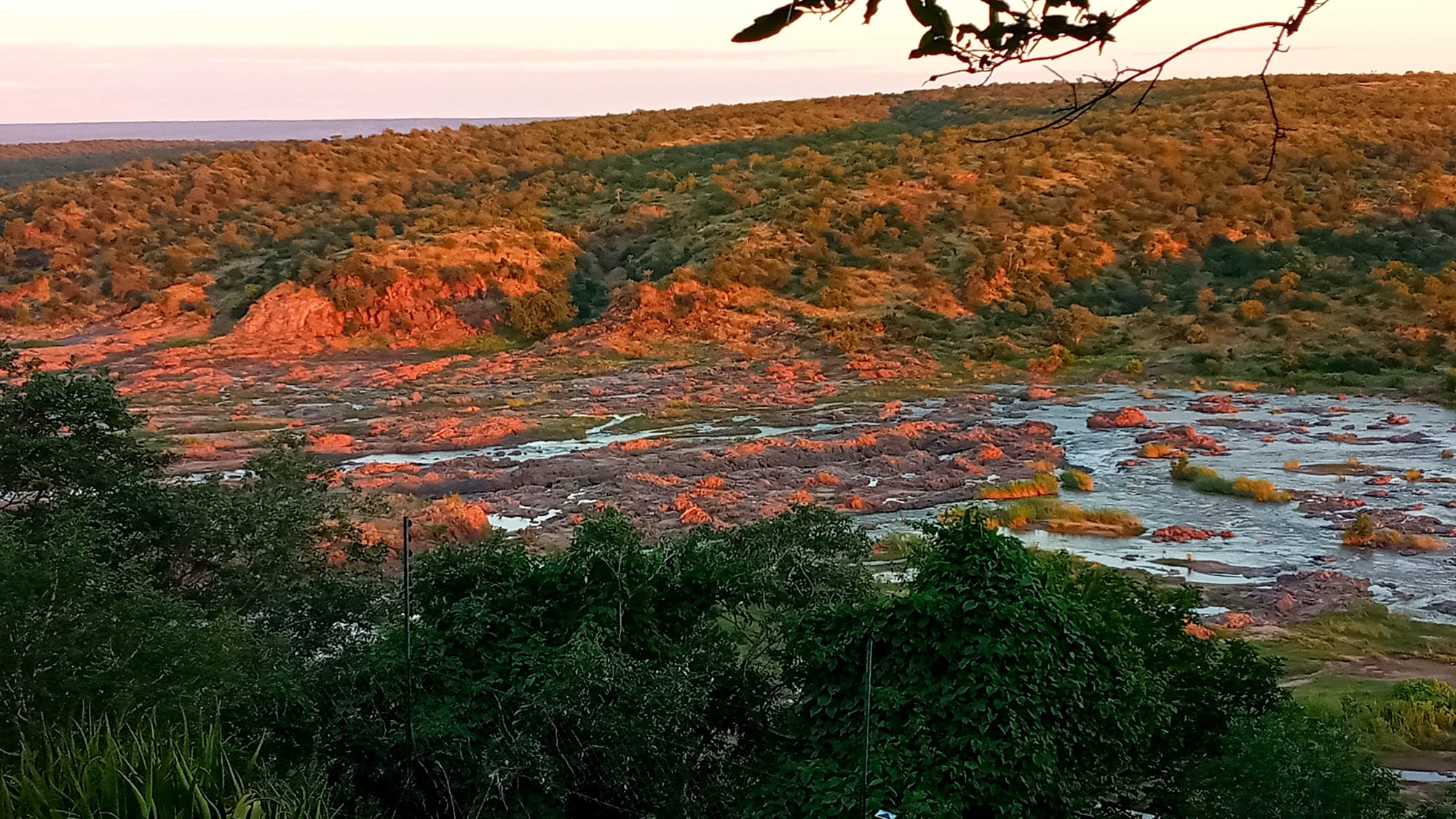
Around Olifants Camp, the Olifants River cuts through layered basalt cliffs, offering one of the park’s most striking viewpoints. Further north, near Letaba and Mopani, elephant herds dominate the landscape, often appearing in impressive numbers along riverbanks and seasonal pans.
Beyond the Tropic of Capricorn, Kruger reveals its most contemplative side. Punda Maria and Pafuri sit within a region shaped by ancient baobabs, fever tree forests, and the meeting point of the Luvuvhu and Limpopo rivers. Birdlife flourishes here, with species seldom seen in the south.
Cultural history also surfaces more strongly, from ancient trade routes to archaeological sites that speak of centuries of human presence. This is a region for travellers comfortable with patience and distance, where a single sighting can feel deeply earned.
Choosing between north and south is less about superiority and more about intention.
The south rewards shorter stays, family trips, and those new to safari travel. The north suits repeat visitors, photographers, and travellers seeking quieter roads and layered storytelling within the landscape. Time is a deciding factor as well.
A long weekend favours the south, while a slower, extended journey allows the north to unfold properly.
Kruger does not ask visitors to choose sides. It asks them to listen. Each region offers a distinct conversation, shaped by geography, wildlife, and the way one moves through space. The best part of Kruger is the part that matches your pace, your curiosity, and your willingness to linger.
🔴 You might also like to read:
 Mariana Balt
 Mariana Balt

Comments ()