South African mountain passes that add character to your journey
South Africa’s mountain passes turn ordinary road trips into stories worth telling.
A journey across South Africa rarely follows a straight line. The land rises and folds, carving routes that demand patience and reward curiosity. Mountain passes here are not mere connectors between towns. They are experiences in their own right, shaping the rhythm of a road trip and anchoring it firmly in place.
The gravel sweep of the Swartberg Pass links the Great Karoo with the Klein Karoo between Prince Albert and Oudtshoorn. Completed in 1888 by master road engineer Thomas Bain, the pass climbs to 1 583 metres above sea level. Its dry-stone retaining walls still hold firm against summer storms.
The ascent is slow and deliberate, with tight hairpins revealing ochre cliffs and pale horizons. A clear day allows views that stretch across the Karoo plains, where windmills turn, and sheep farms punctuate the silence.
Further east, the Sani Pass climbs from Underberg to the border post with Lesotho. The gravel road rises sharply through the southern Drakensberg, topping out at 2 876 metres. A 4x4 vehicle is essential, and drivers need confidence as well as a passport.
The final zigzags cling to the cliff face, and mist often drifts across the escarpment. At the summit sits a modest pub known as the highest in Africa, where travellers trade stories before descending into Lesotho’s highlands.
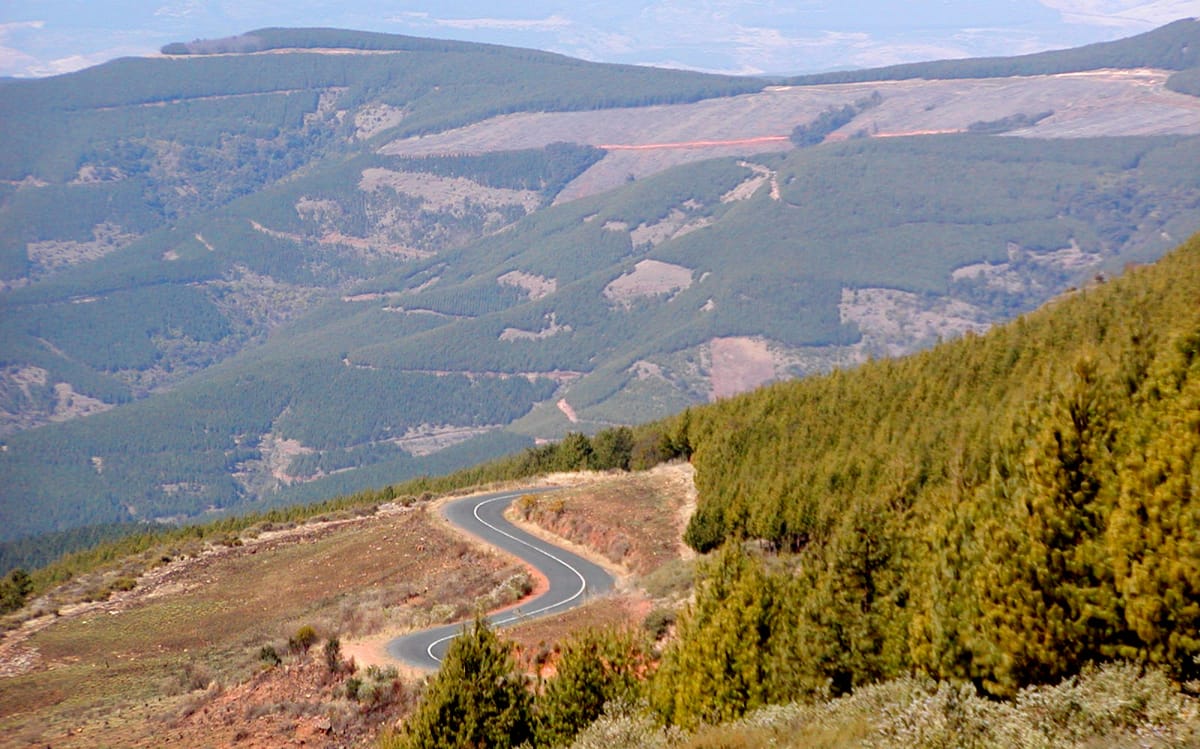
In Mpumalanga, the tarred curves of the Long Tom Pass link Lydenburg, now officially Mashishing, with Sabie. Named after a Boer War cannon, the pass reaches 2 150 metres. Pine plantations line the lower slopes, giving way to grassland and rocky outcrops near the summit.
Waterfalls spill into deep gorges after summer rain. The road forms part of the Panorama Route, which includes God’s Window and the Blyde River Canyon, placing the pass within a broader scenic circuit.
The Meiringspoort offers a different mood. This dramatic gorge threads between the Swartberg and Kammanassie mountains on the N12 between De Rust and Beaufort West. Unlike high-altitude passes, Meiringspoort follows a river, crossing it 25 times in quick succession.
Sheer sandstone walls rise vertically on either side, glowing gold in late afternoon light. A short walk leads to a waterfall hidden within the gorge, a cool contrast to the surrounding semi-desert.
These are but a few passes, with several others worth mentioning. Each of them shapes the traveller’s sense of distance. A 100-kilometre stretch can take hours, encouraging unhurried stops and conversation.
Farm stalls appear at strategic lay-bys, selling roosterkoek, dried fruit or local honey. Weather plays its part, with snow occasionally closing Sani Pass in winter and heavy rain turning gravel routes into slick challenges.
Mountain passes in South Africa demand attention. They ask drivers to slow down, to read the contours of the land, and to respect the engineering feats that made these routes possible. In return, they offer perspective. Journeys become layered with memory, from the crunch of gravel beneath tyres to the thin air at high altitude.


Comments ()