
Should I follow the high roads or the back roads?
Choosing between high roads and back roads can shape the entire travel experience across Southern Africa. This article explores how both routes offer different rewards, from efficiency and comfort to unexpected encounters and deeper cultural connections.
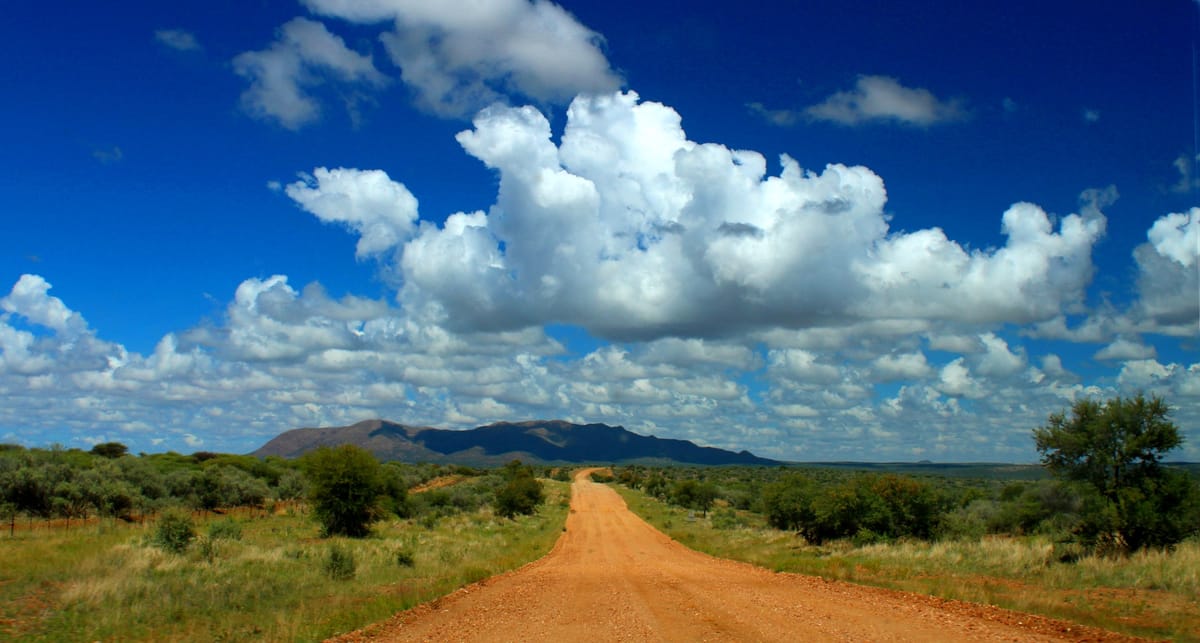
The decision often arrives quietly, somewhere between the last reliable petrol station and the first stretch of open horizon. Travellers heading north from Cape Town along the N1 face a familiar choice near Touws River. Stay on the high road, press steadily towards Beaufort West and the vast interior beyond, or turn off onto lesser-known gravel routes that drift through farm gates, windmills, and the soft geometry of the Karoo.
In Southern Africa, the journey frequently shapes the experience as much as the destination.
High roads carry a certain promise. Tarred surfaces cut confidently through long distances, connecting cities, nature reserves, and coastlines with efficient clarity. The N3 between Durban and Johannesburg climbs steadily through KwaZulu-Natal’s green hills, offering sweeping views near Van Reenen’s Pass at roughly 1,660 metres above sea level.
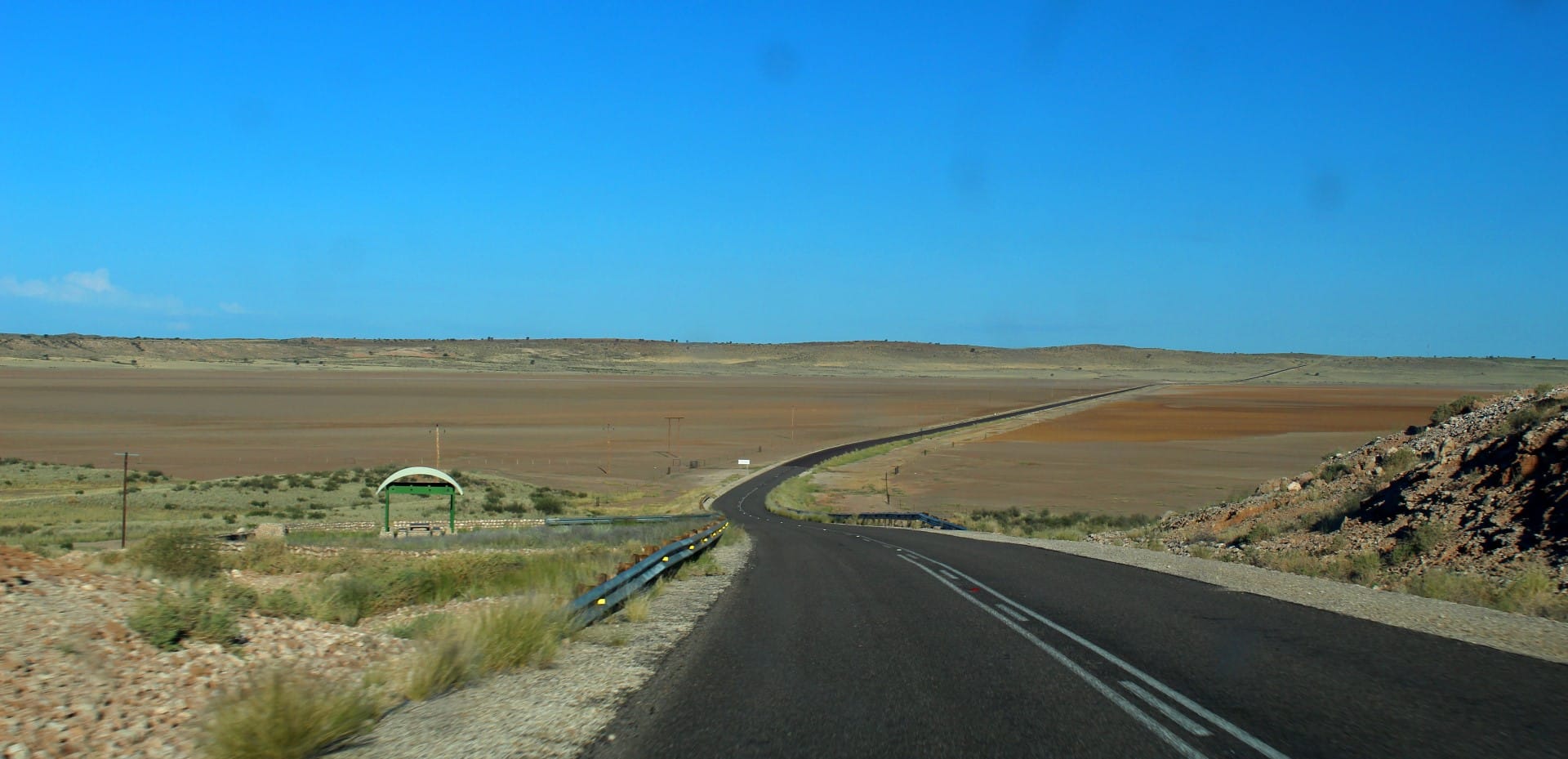
Well-placed rest stops and roadside cafés make the route accessible for modern travellers who value convenience, safety, and predictable travel times. Navigation feels simple, mobile reception is usually reliable, and accommodation options appear at regular intervals.
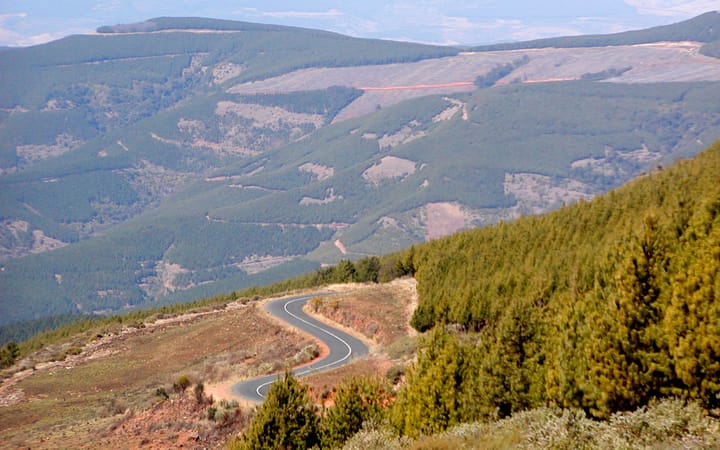
Yet back roads hold a quieter allure. From Prince Albert, a narrow gravel track threads northwards through the Swartberg Pass, a historic mountain route engineered in the late nineteenth century. Hairpin bends reveal sandstone cliffs and folded valleys where protea and wild olive cling to rocky slopes.
Dust trails rise behind passing vehicles, settling slowly into the stillness that defines much of the region. Travellers who choose this path accept slower progress in exchange for a deeper connection with the landscape and its history.
Such choices extend far and wide. In Limpopo, the R521 leads from Polokwane towards the baobab country near Alldays. Detours onto local roads introduce visitors to roadside fruit stalls and small cultural sites that rarely feature in guidebooks.
Conversations unfold naturally when journeys are unhurried. Ethical travel principles often gain traction in these moments, encouraging visitors to support local enterprises and respect fragile environments that sustain rural communities.
Comfort and challenge coexist on both routes. High roads reduce fuel consumption through steady driving conditions, while back roads may require careful tyre pressure adjustments and awareness of sudden wildlife crossings.
Gravel surfaces demand patience, particularly after seasonal rains reshape ruts and drainage lines. Preparation becomes part of the story. Maps marked with distances, spare water containers, and a willingness to adapt help travellers move confidently through varied terrain.
Time also plays a subtle role. Those following the Garden Route from Mossel Bay to Plettenberg Bay can remain on the N2, passing lagoons and indigenous forests with relative speed.
Turning inland onto the Seven Passes Road reveals timber bridges, fern-lined valleys, and remnants of early transport history. The difference in travel time might be less than an hour, yet the emotional landscape shifts entirely.
Modern travellers often blend both approaches. Efficient highways carry them across provinces, while back roads add texture and memory to the itinerary.
Digital navigation tools make exploration easier than in decades past, though traditional paper maps still prove valuable when signals fade. The balance between speed and curiosity shapes each trip uniquely.
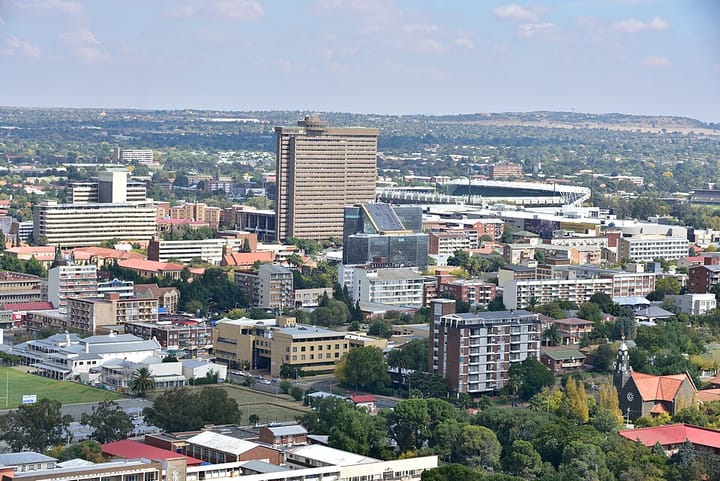
High roads remind travellers of Southern Africa’s scale, linking vibrant urban centres and national parks across thousands of kilometres.
Back roads highlight intimacy, drawing attention to subtle details such as wind patterns over wheat fields or the rhythm of livestock bells at dusk. Both routes hold value when chosen thoughtfully.
The real reward lies in recognising that travel rarely demands a single answer. Journeys become richer when travellers listen to instinct, consider local advice, and remain open to change.
Comments ()