
Seven ways of turning the journey back from Cape Town to Gauteng into a memorable part of your holiday
The drive from Cape Town back to Gauteng does not have to signal the end of a holiday, but can become part of the holiday.
🔴 You might also like to read:
 Mariana Balt
The drive back to Gauteng after time in Cape Town is often treated as a necessary return, a long haul on familiar roads with one eye on the clock. Yet the route north holds its own quiet rewards.
With intention and a willingness to slow down, the journey itself can become a final chapter of the holiday rather than its abrupt ending.
Stretching over roughly 1,400 kilometres, depending on the route chosen, the road between the Mother City and Gauteng passes through landscapes that shift in colour, scale, and mood. Here are seven ways to turn that drive into something worth remembering.
The first shift is mental rather than geographical. Choosing not to rush transforms everything that follows. Breaking the journey into manageable days opens up options beyond the N1 sprint through the Karoo. A first overnight stop in Matjiesfontein, about 230 kilometres from Cape Town, sets the tone. The village sits just off the N1 and retains its Victorian railway character. A slow evening walk, a meal in the old dining room, and an early night reset the pace after coastal energy.
From here, consider leaving the main highway for stretches that reward curiosity. The R62 through the Little Karoo is longer than the N1 but infinitely more varied. Turning off near Worcester leads through Montagu, Barrydale, and Ladismith, where the road traces orchards, dry riverbeds, and folded mountain ranges. This route reconnects the journey with texture and local rhythm, replacing service stations with farm stalls and conversations.
Spending a night in Prince Albert deepens that sense of place. Reached via the R407 and the Swartberg Pass, the town lies beneath towering cliffs that glow softly in late afternoon light. The pass itself is a national monument and one of the most impressive mountain roads in the country.
Its gravel surface demands patience and respect, yet rewards drivers with sweeping views over the Great Karoo. Staying over allows time to explore without pressure and to experience the stillness that defines this region.
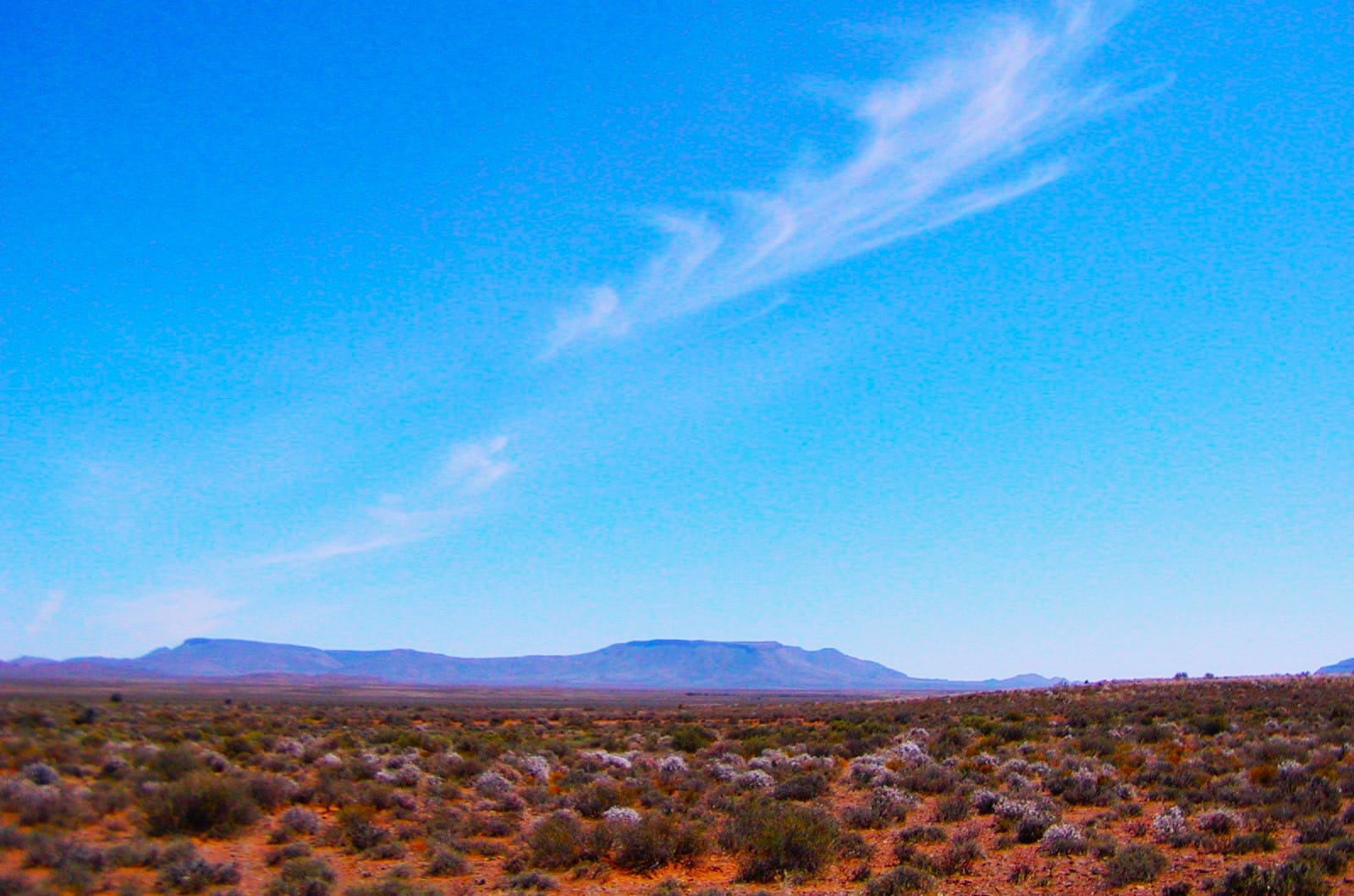
The Karoo invites lingering rather than passing through. Tankwa Karoo National Park, accessed via the R355 from Ceres or Calvinia, offers a stark counterpoint to coastal abundance. This route requires preparation and a reliable vehicle, yet the sense of space is profound. A night under wide skies, with little more than wind and distant hills for company, reframes the idea of distance and quiet. Leaving Tankwa the next morning, the road feels different, less like an obstacle and more like a companion.
Food plays a subtle yet significant role in shaping memory. Planning meals beyond convenience stops adds pleasure and pause.
Colesberg, roughly halfway between Cape Town and Johannesburg on the N1, is more than a fuel stop. Historic guesthouses and small restaurants offer proper meals and shaded courtyards. Further north, towns such as Philippolis and Smithfield reward detours with cafés housed in restored stone buildings and menus rooted in local produce.
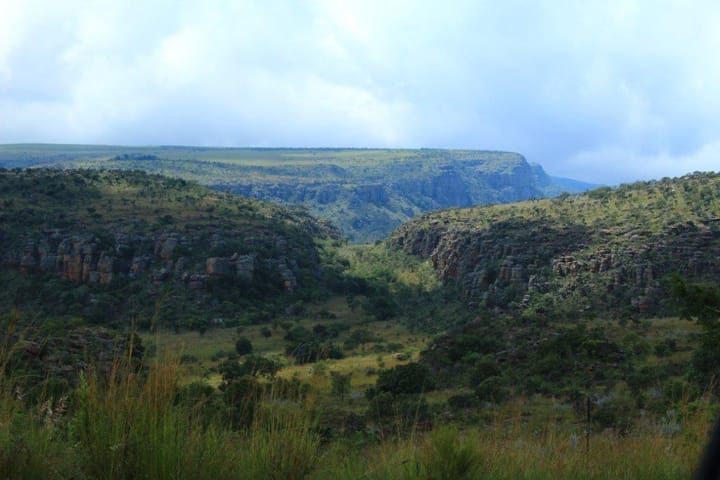
As the landscape begins to rise toward the Free State, a change in route brings a fresh perspective. Leaving the N1 near Bloemfontein and heading east toward Clarens introduces rolling hills and sandstone cliffs. Clarens sits near the Golden Gate Highlands National Park, where late afternoon light softens the land into layers of ochre and gold.
An overnight stay breaks the monotony of long driving days and offers access to short walks and local galleries.
Throughout the drive, small rituals anchor the experience. Morning coffee brewed at a quiet stop, a notebook kept on the passenger seat, or a playlist chosen for wide roads all contribute to a sense of continuity. The journey becomes a thread connecting places rather than a gap between them.
Making the return memorable is less about adding distance and more about redistributing attention. South Africa’s interior offers depth to those willing to notice it.
Treating the road itself as part of the holiday allows the final days to unfold with the same care as the first. When Gauteng eventually appears on the horizon, the arrival feels earned, not rushed, and the memories stretch far beyond the destination.
🔴 You might also like to read:
 Mariana Balt

Comments ()