
Paternoster: Salt air, white walls and a necessary detour
Paternoster, just two hours from Cape Town, is a West Coast gem that proves that simplicity can be irresistible.
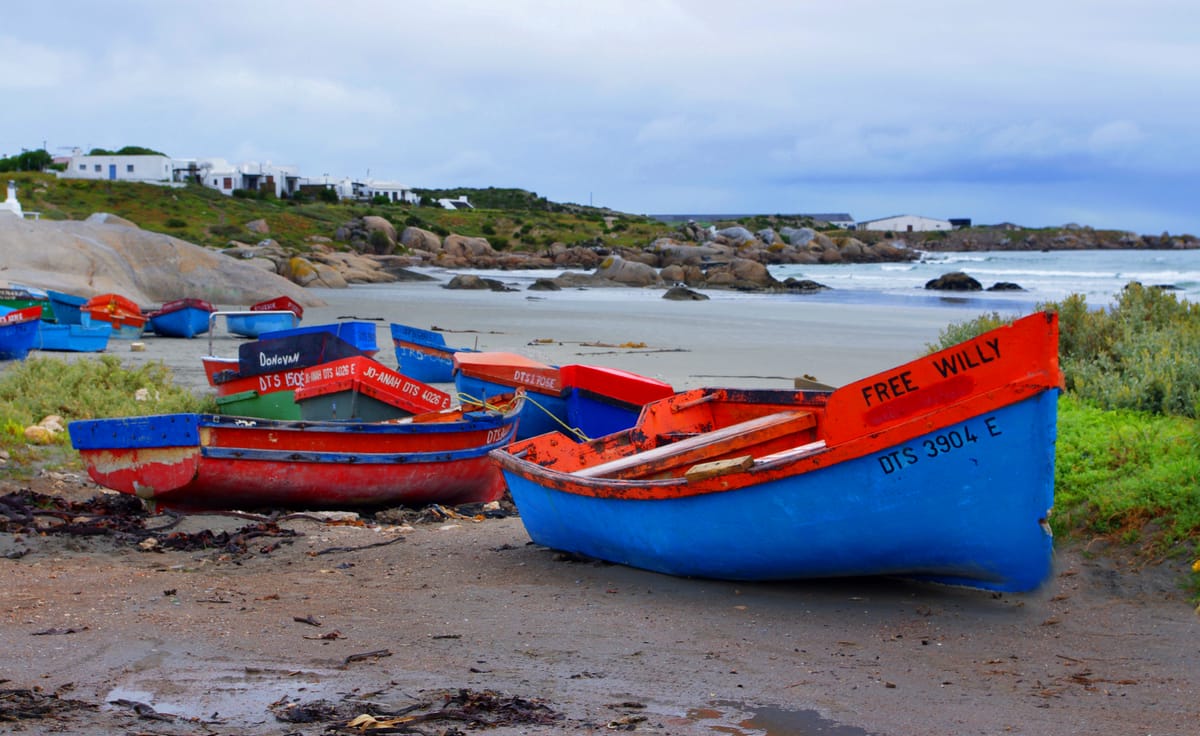
On the far western edge of the Western Cape, where the R27 gives way to quieter coastal roads and fishing boats rest on their keels, lies Paternoster. It is about 145 kilometres north of Cape Town, a two-hour drive through the wheat fields of the Swartland and the wind-shaped fynbos of the Cape Columbine peninsula.
Many travellers rush past on their way to Langebaan or the Cederberg. That is their first mistake.
Paternoster is one of the oldest fishing villages on South Africa’s west coast. Its name, often said to derive from shipwrecked Portuguese sailors praying the Lord’s Prayer, suits the mood. There is something devotional about the place. The architecture is famously whitewashed, influenced by Cape vernacular design and local building regulations that protect its character. Cobbled lanes lead to beaches scattered with kelp and oyster shells, and the Atlantic shifts from steel grey to turquoise depending on the wind.
To understand Paternoster, step down to Bekbaai at dawn. Traditional wooden fishing boats, called bokkom skuite, launch into cold water in pursuit of snoek and crayfish. In season, West Coast rock lobster defines both the economy and the menu. Restaurants such as Wolfgat, set inside a restored fisherman’s cottage, draw international attention for their foraged ingredients and hyper-local tasting menus.
Yet the heart of the village remains resolutely working class, with generations of families tied to the sea.
Just south of town stands the Cape Columbine Lighthouse inside Cape Columbine Nature Reserve. Built in 1936, it is one of the last manually operated lighthouses in the country. The reserve’s limestone cliffs and spring flowers are at their best between August and September, when the West Coast flower season paints the veld in orange and purple. Tietiesbaai, within the reserve, is a favourite camping spot, its granite boulders sheltering tents from the south easter.
Whale sightings add another layer to the village’s appeal. Southern right whales frequent these waters between June and November, often visible from the beach. Kayaking, beach horse riding and long shoreline walks fill unhurried days. The lack of large supermarkets and chain stores reinforces the sense of stepping away from urban noise.
Geographically, Paternoster sits near Vredenburg and Saldanha Bay, which means it is accessible yet feels remote. From Cape Town International Airport, follow the N7 north, turn west at Malmesbury, and the landscape slowly flattens into coastal scrub. The final stretch reveals a flash of ocean and a cluster of white roofs.
A visit feels mandatory precisely because it resists spectacle.
There are no flashy promenades or mega resorts. Evenings revolve around fireplaces, local wine and the sound of waves striking rocks below sandstone cottages. Power cuts and winter storms are part of the rhythm. Visitors adapt quickly.
For modern Western travellers seeking authenticity without sacrificing comfort, Paternoster strikes a rare balance. Boutique guesthouses offer sea-facing rooms with linen sheets and wood-burning stoves. Fishermen mend nets on the harbour wall a few streets away. The Atlantic remains wild, the wind unapologetic.
In a country celebrated for safari and dramatic mountain passes, this small village reminds travellers that South Africa’s soul is equally coastal. Paternoster does not shout for attention. It waits, white against blue, confident that those who arrive will understand why they should have come sooner.
Comments ()