
Lesser-known national parks in South Africa
South Africa’s lesser-known national parks comprise scenery, wildlife and cultural depth that reward curiosity with striking landscapes that offer a refreshing alternative to busy destinations.
🔴 You might also like:
 Mariana Balt
 Naomi Roebert
South Africa’s well-known parks often receive most of the attention, yet several lesser-known reserves offer rewarding experiences for travellers seeking quieter landscapes.
These parks offer unexpected views, varied habitats and wildlife encounters that feel personal and unhurried.
The Mapungubwe National Park, located near the Limpopo and Shashe River confluence, offers striking sandstone formations and evidence of an ancient civilisation. The Mapungubwe Kingdom flourished in this region more than a thousand years ago. Travellers can explore viewpoints such as the Confluence Lookout, where the borders of South Africa, Botswana and Zimbabwe meet.
The park’s baobab trees and open woodlands support elephants, giraffes, hyenas and several antelope species. The archaeological museum provides insight into the region’s long history, including the famous gold rhinoceros sculpture discovered at the site.
Marakele National Park in the Waterberg mountains sits within a transition zone between dry western areas and wetter eastern regions. This results in a mixture of vegetation types, from thornveld to mountain forest. The drive up to the Lenong Viewpoint offers dramatic views of the plains below. A large colony of Cape vultures nests on the cliffs, providing excellent opportunities for birdwatching.
Travellers who enjoy rugged scenery may appreciate Augrabies Falls National Park in the Northern Cape. The Orange River cuts through ancient granite to create the Augrabies Falls, which plunge into a deep gorge. Walkways and viewpoints reveal the scale of the canyon. The park supports wildlife such as klipspringers, springbok and giraffes.
The Moon Rock formation, a large granite dome, provides a popular walking route that ends in panoramic views across the arid landscape. The region’s stark beauty and clear night skies create a memorable atmosphere.

Mountain Zebra National Park near Cradock in the Eastern Cape protects the Cape mountain zebra, a species that faced near extinction in the twentieth century. Conservation efforts have restored the population, and the park now supports several hundred individuals. Rolling grasslands and rocky ridges form ideal habitats for these zebras, as well as eland, black wildebeest and cheetahs introduced through conservation programmes. The Kranskop Loop drive offers scenic views of the surrounding Karoo plains.
Mokala National Park, located just south of Kimberley in the Northern Cape, feels like a quiet counterpoint to South Africa’s better-known safari destinations. Its rolling hills, open grasslands, and dolerite koppies make game viewing feel unhurried and satisfying.
Mokala’s main accommodation options are Lilydale Rest Camp and Mosu Lodge, each offering a very different experience. Lilydale is the park’s original farmstead, with well-spaced chalets overlooking the Riet River, shaded lawns, and a relaxed, homely atmosphere that suits longer stays and self-drive travellers.
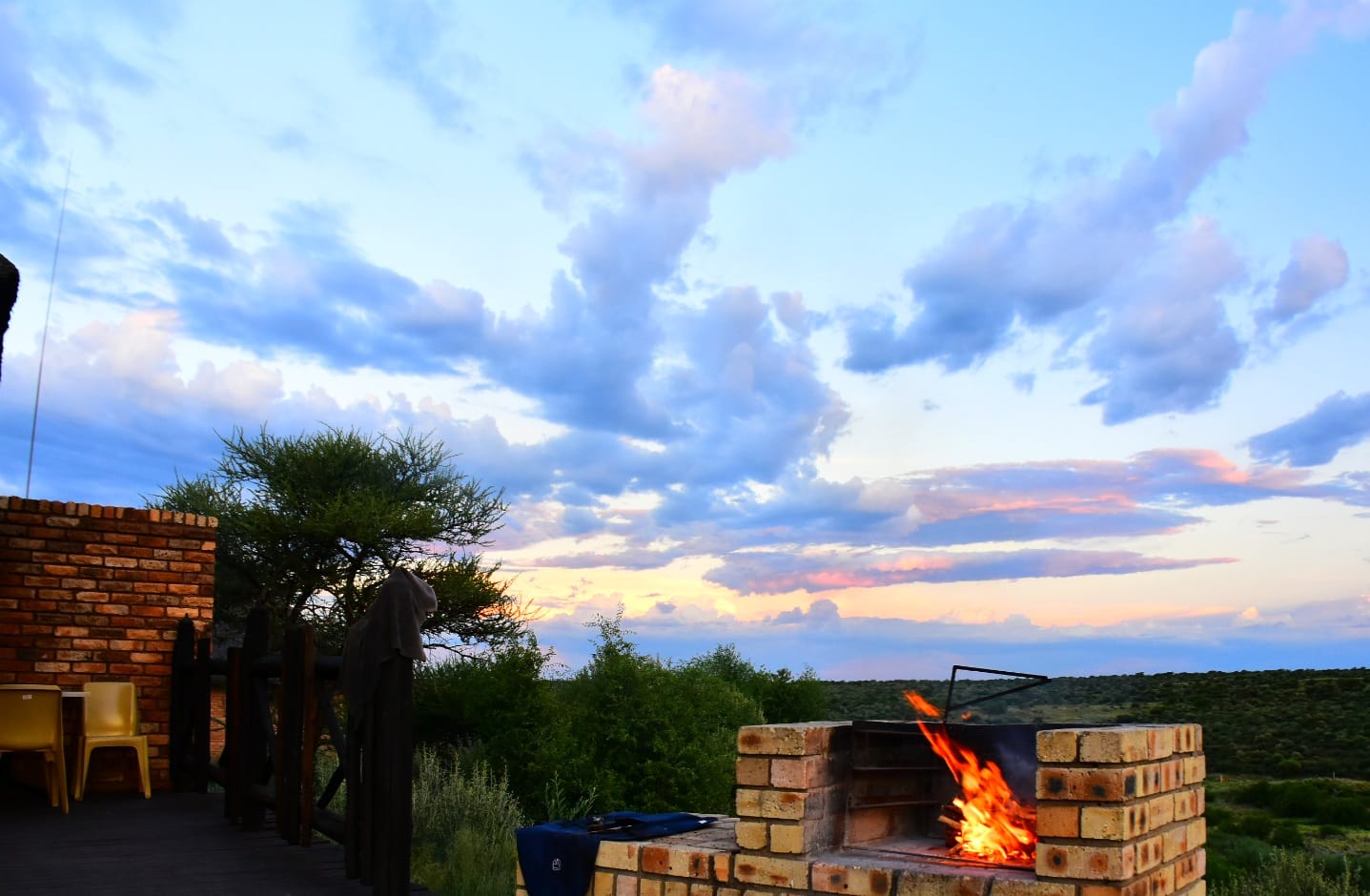
Mosu Lodge is more modern and exclusive, offering spacious safari tents and family units set above a waterhole, with excellent wildlife viewing right from the deck. It is ideal for visitors who want comfort, views, and a slightly more refined stay while still being firmly rooted in the Mokala landscape.
The park is known for its conservation focus, particularly on rare and endangered species such as roan and sable antelope, as well as tsessebe and black rhino.
The West Coast National Park, located north of Cape Town along the R27, offers coastal scenery and birdlife. Langebaan Lagoon forms the centre of the park and supports flamingos, waders and migratory birds.
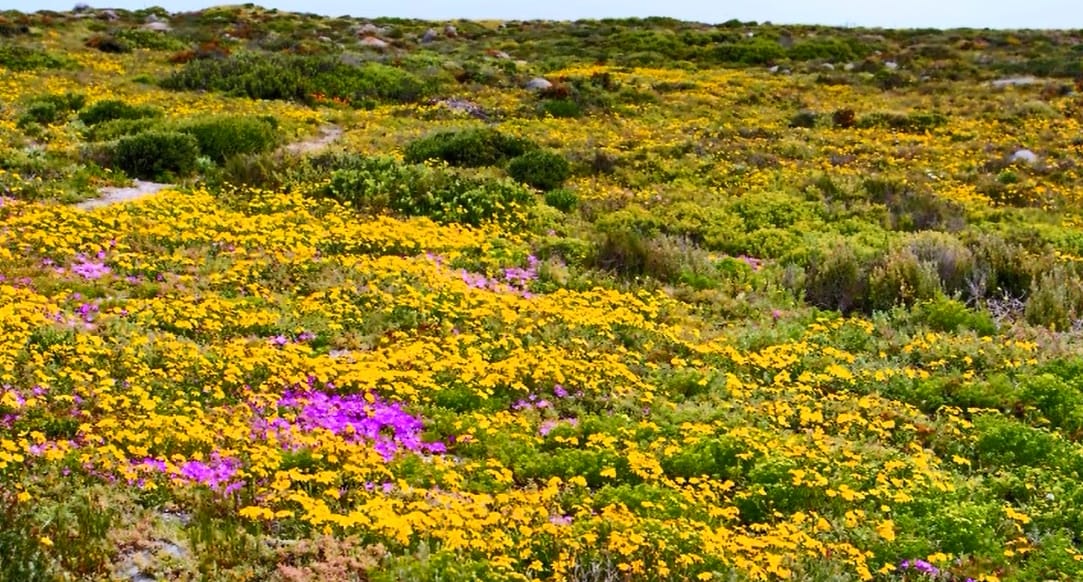
The Postberg section, open only during flower season in August and September, transforms into fields of colourful blooms. The lagoon’s sheltered waters and quiet beaches appeal to travellers looking for a gentler landscape than the dramatic Atlantic coastline nearby.
The Garden Route National Park stretches across several sections in the Western and Eastern Cape. Although parts of it are well known, many travellers overlook the quieter forests around Harkerville and the deep gorges carved by rivers such as the Storms River.
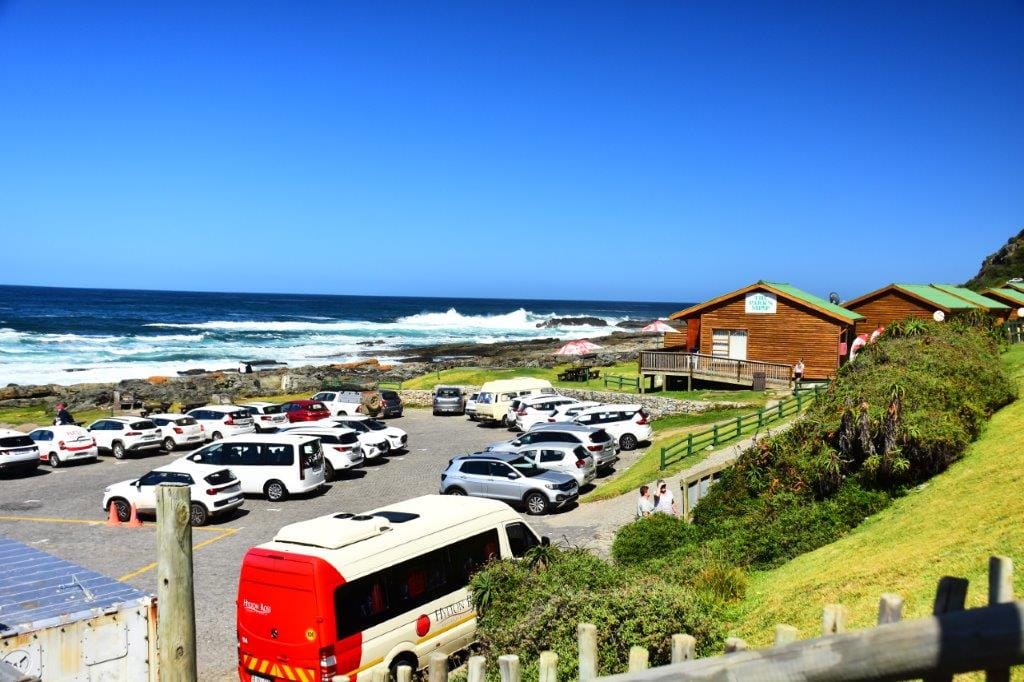
Walking trails, including the Suspension Bridge Walk and segments of the Otter Trail, bring visitors close to the indigenous forest that has endured for centuries. The region’s fynbos, coastal cliffs and woodlands combine to create a mosaic of habitats.
These lesser-known parks offer a unique blend of geology, wildlife and cultural history. Travellers who venture beyond the major destinations will appreciate their slower pace.
🔴 You might also like to read:
 Anchen Coetzee


Comments ()