
Kirstenbosch: South Africa’s own Garden of Eden
Kirstenbosch National Botanical Garden, on the slopes of Table Mountain, showcases the extraordinary diversity of South Africa’s indigenous flora.
🔴 You might also like to read:
 Mariana Balt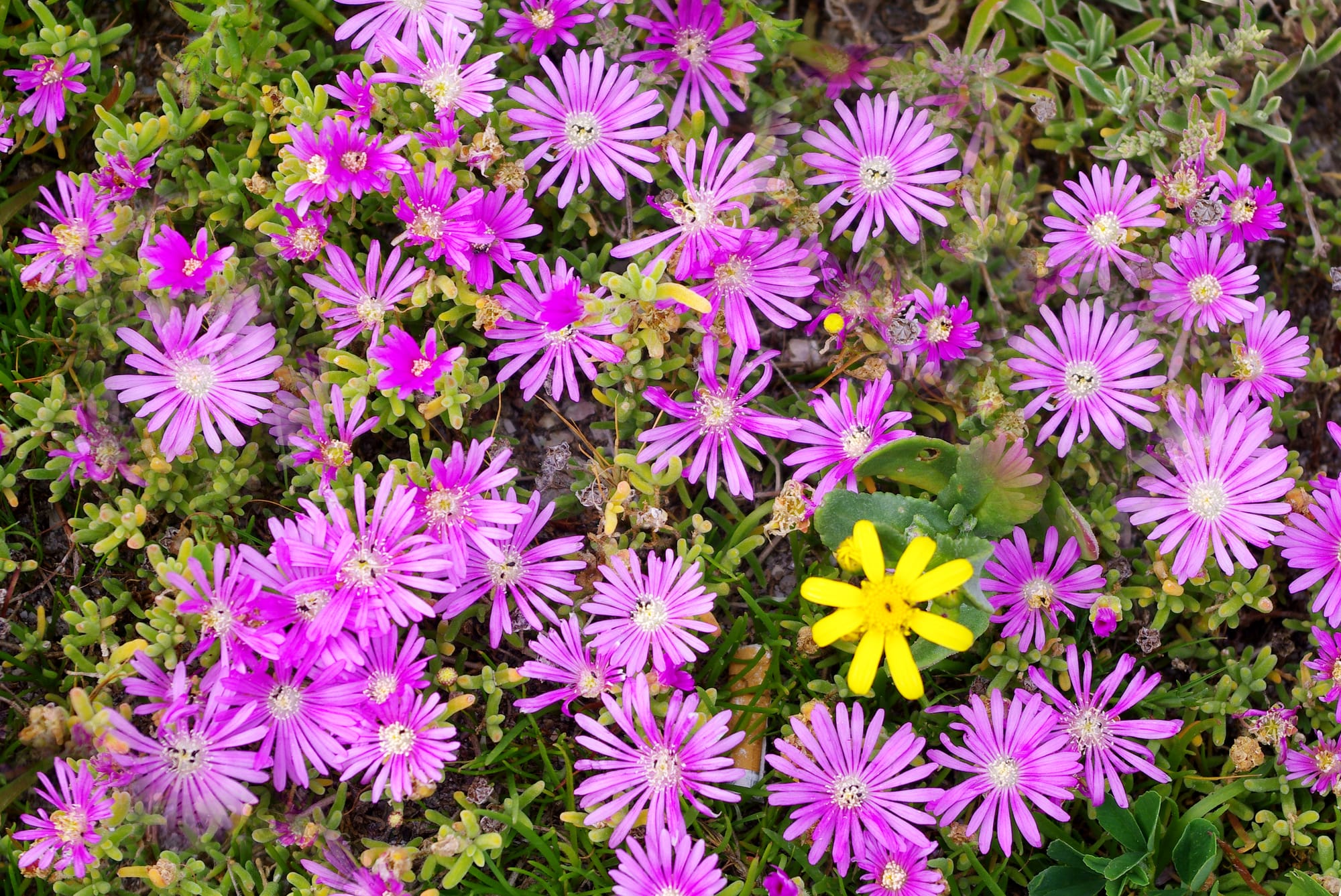
On the eastern slopes of Table Mountain, where forested ravines descend towards the southern suburbs of Cape Town, lies one of the world’s most celebrated botanical gardens. Kirstenbosch National Botanical Garden stretches across 528 hectares, with around 36 hectares under formal cultivation and the rest conserved as natural fynbos and afro montane forest. Established in 1913, it was the first botanical garden in the world dedicated to a country’s indigenous flora.
Reaching Kirstenbosch from the city centre takes about 20 minutes by car via De Waal Drive and Rhodes Drive, which curves along the mountain’s lower contours. The approach alone sets the tone. Granite buttresses rise above lawns, while streams fed by winter rainfall descend through shaded gullies. This is not a manicured European garden transplanted to Africa.
It is a living archive of the Cape Floristic Region, one of the planet’s six floral kingdoms and the smallest, yet among the most diverse.
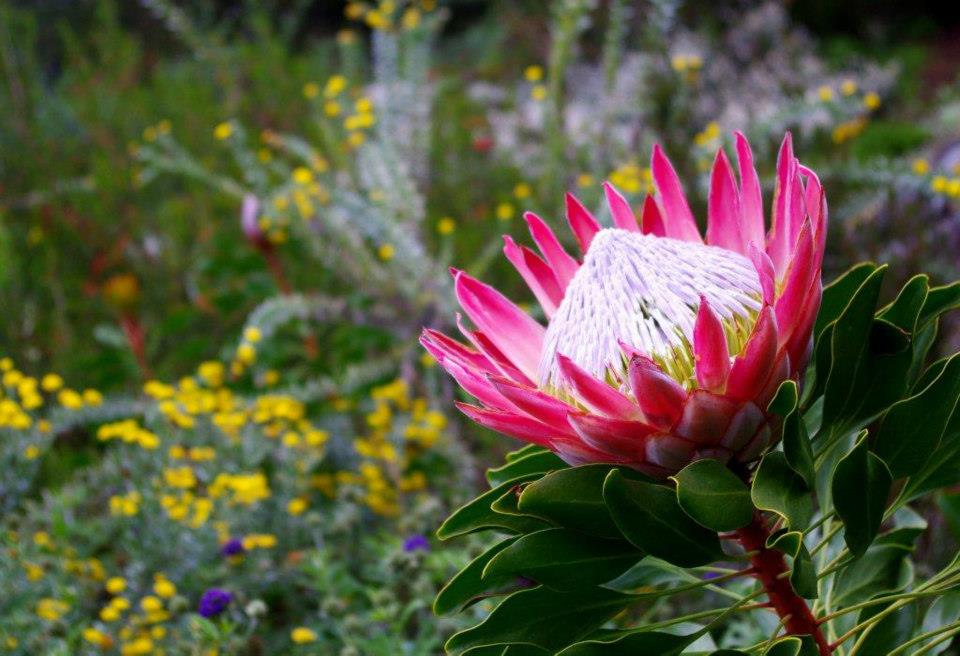
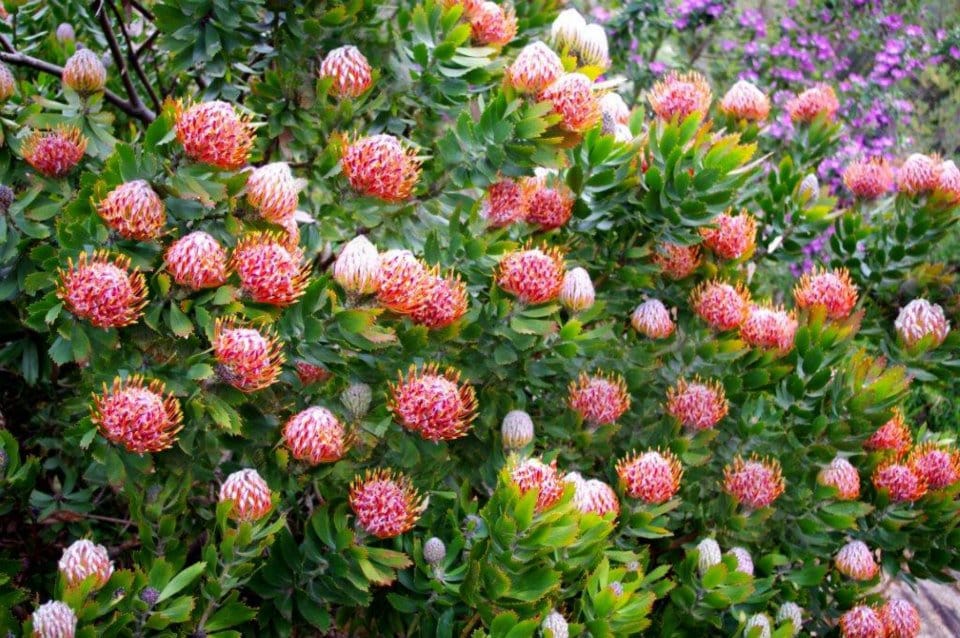
Fynbos defines much of the landscape. Proteas, ericas and restios flourish in sandy, nutrient-poor soils, particularly vivid from late winter to early summer, between August and November. The protea garden displays species found nowhere else on earth, including the king protea, South Africa’s national flower. Informative signage explains ecological relationships and the role of fire in maintaining biodiversity, offering insight rather than spectacle.
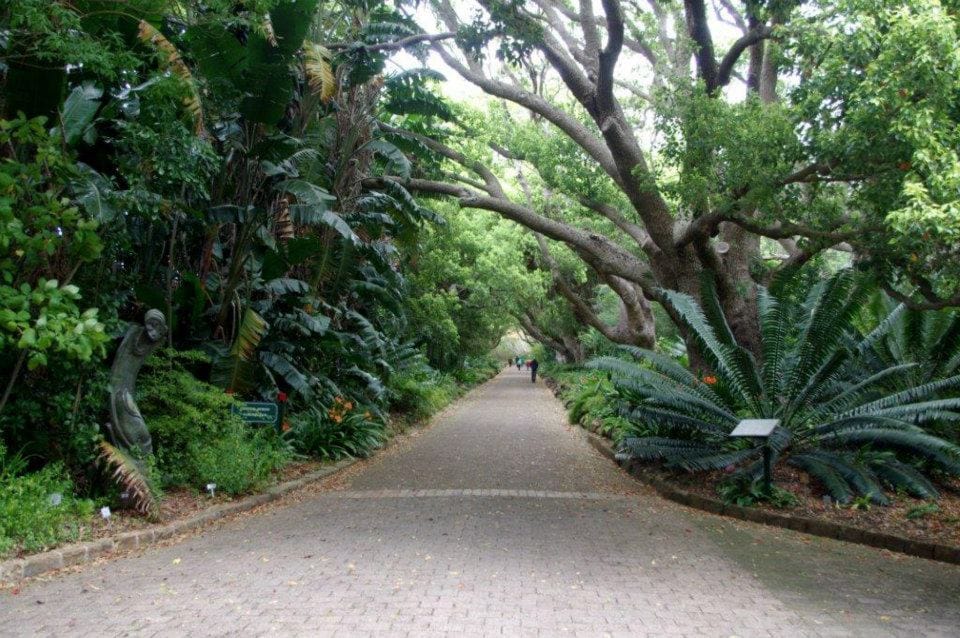
Paths wind gently upward towards the forested slopes of Skeleton Gorge, a popular hiking route that connects Kirstenbosch to the top of Table Mountain. The ascent, roughly 3.5 kilometres to the summit plateau, demands a good level of fitness and careful planning, especially in changeable weather.
For those preferring a gentler perspective, the Boomslang canopy walkway curves through treetops at a height of about 12 metres, revealing layered views across the Cape Flats towards False Bay.
Kirstenbosch functions as more than a garden. It forms part of the South African National Biodiversity Institute, supporting research, seed banking and conservation initiatives across the country. Revenue from visitors contributes directly to biodiversity protection, reinforcing the link between tourism and environmental stewardship. Waste reduction policies, indigenous planting and environmental education programmes reflect a commitment to sustainable practice.
Summer Sunday concerts on the lawns have become a Cape Town ritual. Families and travellers gather with picnic baskets as the sun lowers behind the mountain, casting long shadows across the grass. Performances range from classical ensembles to contemporary South African artists, drawing a diverse audience. The setting encourages respectful enjoyment, with clear guidelines to protect plant life and maintain the garden’s tranquillity.
Geographically, Kirstenbosch occupies a privileged position between mountain and suburb. Newlands Forest lies to the north, Constantia’s vineyards to the south, and the Indian Ocean shimmers beyond Muizenberg. This proximity allows visitors to combine a morning walk in the garden with an afternoon wine tasting along the Constantia Wine Route or a coastal drive over Chapman’s Peak towards Hout Bay.
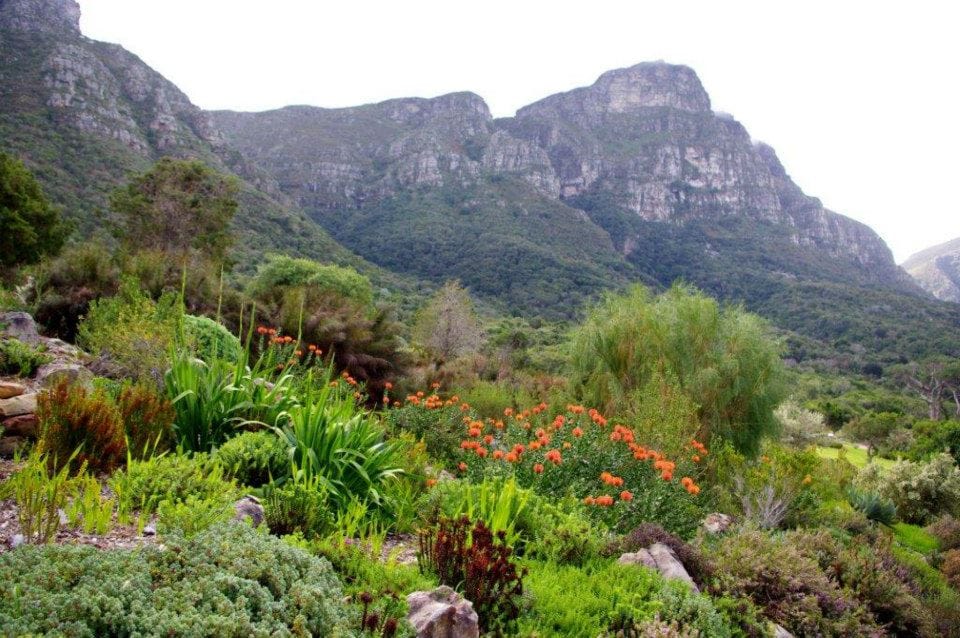
Seasonal variation shapes each visit. Winter rains between May and August replenish streams and waterfalls, lending a cool clarity to the air. Summer brings dry heat and vibrant floral displays. Early mornings offer the quietest experience, when birdlife dominates and light filters softly through trees.
Kirstenbosch is often described in superlatives, yet its true power lies in detail. The texture of a protea bract, the scent of damp earth after rain, the steady presence of the mountain above. For travellers seeking a deeper understanding of South Africa’s natural heritage, this garden provides context and continuity. It honours the land’s botanical wealth while inviting visitors to tread lightly and observe closely.
In a country defined by dramatic landscapes, Kirstenbosch offers a cultivated reflection of the wild beyond its boundaries. It is both a sanctuary and a classroom, rooted firmly in place.
🔴 You might also like to read:
 Mariana Balt

Comments ()