
Keep your eyes on the road, but…
Balancing safety with curiosity defines long-distance driving across Southern Africa. Learn how strategic stops, mindful technology use, and awareness of wildlife and weather can turn any road trip into a rewarding journey.
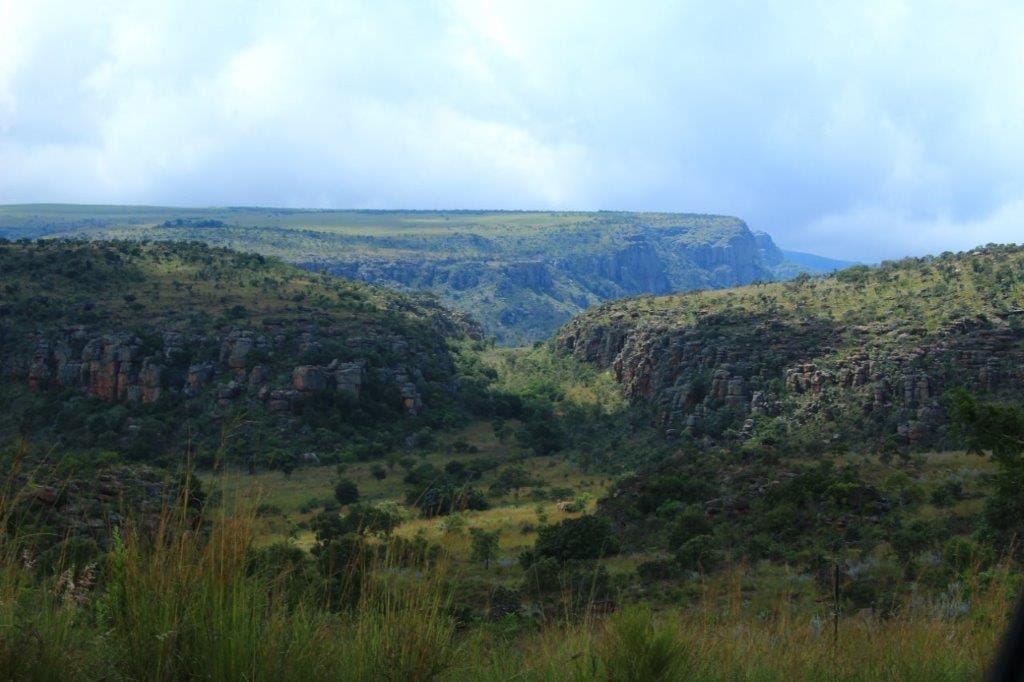
Long-distance driving across Southern Africa demands more than mechanical skill. It calls for a balance between vigilance and curiosity.
The phrase “keep your eyes on the road” resonates strongly along routes where wildlife crossings, sudden potholes, and unpredictable weather can challenge even experienced motorists.
Consider the stretch of the N2 skirting the Wild Coast. Rolling hills drop towards the Indian Ocean, while rondavel villages dot green ridges above winding rivers. Drivers often feel torn between absorbing these scenes and maintaining unwavering focus ahead.
Safe travel lies in acknowledging that the journey offers visual rewards, provided they are experienced at the right moments.

Planning regular stops transforms temptation into opportunity. Well-marked viewpoints near Coffee Bay or lay-bys overlooking the Kei River allow travellers to step out, breathe sea air, and capture photographs without compromising safety.
Short breaks also reduce fatigue, a silent contributor to road incidents on extended trips.
Technology complicates the modern driving experience. Smartphones provide navigation, music streaming, and real-time traffic alerts. They also introduce distraction. Hands-free systems reduce manual handling, yet cognitive attention can still drift during complex conversations or message notifications.
Many seasoned road-trippers choose to silence non-essential alerts, preserving mental clarity for changing traffic conditions.
Wildlife encounters present another dimension. In provinces like Limpopo or Mpumalanga, kudu or warthog may appear suddenly near dusk. Slowing down in known crossing zones and scanning the verges methodically enhances reaction time.

Headlights should be adjusted to illuminate roadside vegetation without blinding oncoming drivers. Night journeys demand heightened discipline, especially on secondary roads where reflective signage may be sparse.
Weather patterns influence concentration as well. Afternoon thunderstorms sweeping across the Highveld can reduce visibility and increase stopping distances. Wind gusts along open plains near Beaufort West challenge vehicle stability. Anticipating these factors allows drivers to adapt posture, grip, and speed accordingly.
Cultural awareness enriches the road narrative.
Passing through small towns reveals rhythms of daily life, from schoolchildren walking home to informal traders arranging produce along pavements.
Respectful driving in these environments involves reducing speed and acknowledging pedestrian priorities. Courteous gestures, such as allowing a vehicle to merge or yielding at narrow bridges, reinforce a shared sense of road community.
Keeping one’s eyes on the road ultimately reflects a philosophy rather than a rule. It encourages presence, attentiveness, and measured curiosity. Travellers who combine disciplined focus with thoughtful pauses discover that the route itself becomes part of the destination’s charm.

Comments ()