
Kariba: The sea that is not a sea
Lake Kariba offers vast horizons, wildlife-rich shores and a peaceful rhythm shaped by water and history.

🔴 You might also like:
 Mariana Balt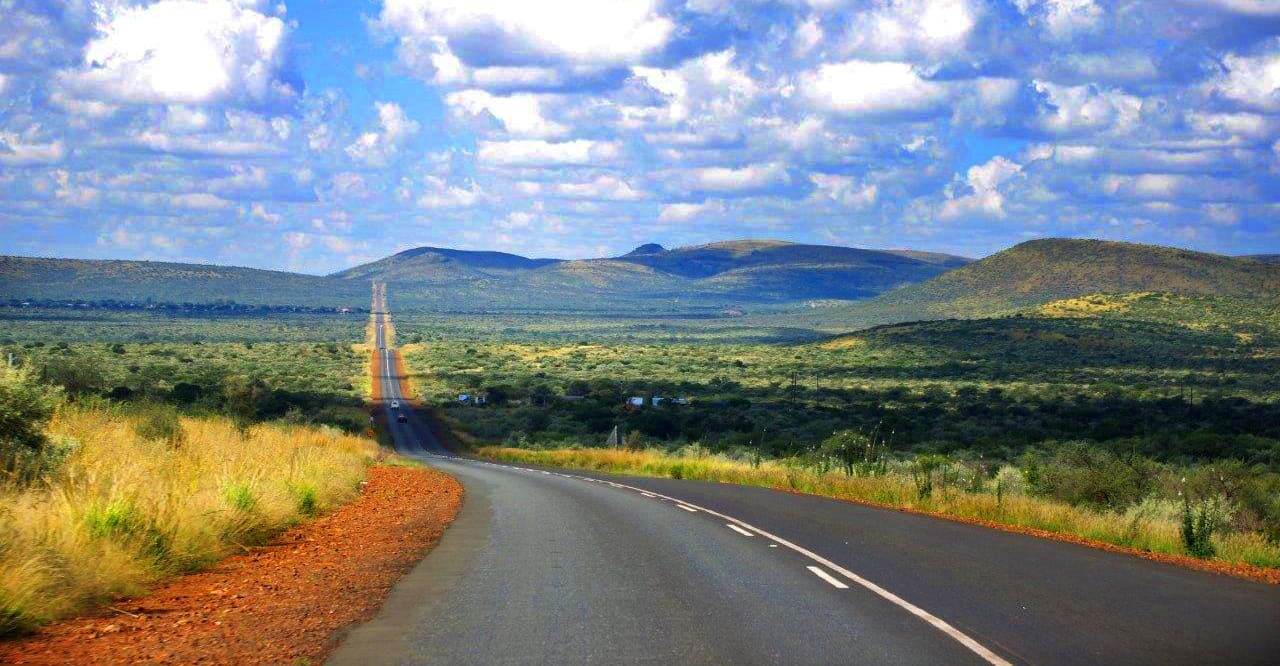
Lake Kariba holds a distinct place in the landscape of Southern Africa. It stretches along the border between Zimbabwe and Zambia for more than two hundred kilometres, forming one of the world’s largest man-made lakes.
Travellers often call it the sea that is not a sea because its vast horizon evokes coastal scenery, yet the water lies hundreds of kilometres inland.
Approaching Kariba from the Zimbabwean side reveals a change in terrain. The route from Harare follows the A1 to Makuti, where the road branches west onto the A1 Kariba Highway. The descent towards the lake offers sweeping views of rugged hills and glittering water. The lake’s shoreline twists into coves and islands that create a sense of quiet distance. Every turn reveals a new perspective.
Kariba town sits on a series of hills overlooking the lake. The views from observation points such as Kariba Heights introduce travellers to the scale of the reservoir. The construction of the Kariba Dam in the late 1950s created this inland sea by blocking the Zambezi River at the narrow Kariba Gorge.
The project flooded the valley that was once home to the Tonga people, whose relocation remains a significant chapter in regional history. The lake has since developed its own ecological balance, supporting fish species such as tigerfish, bream and tilapia.
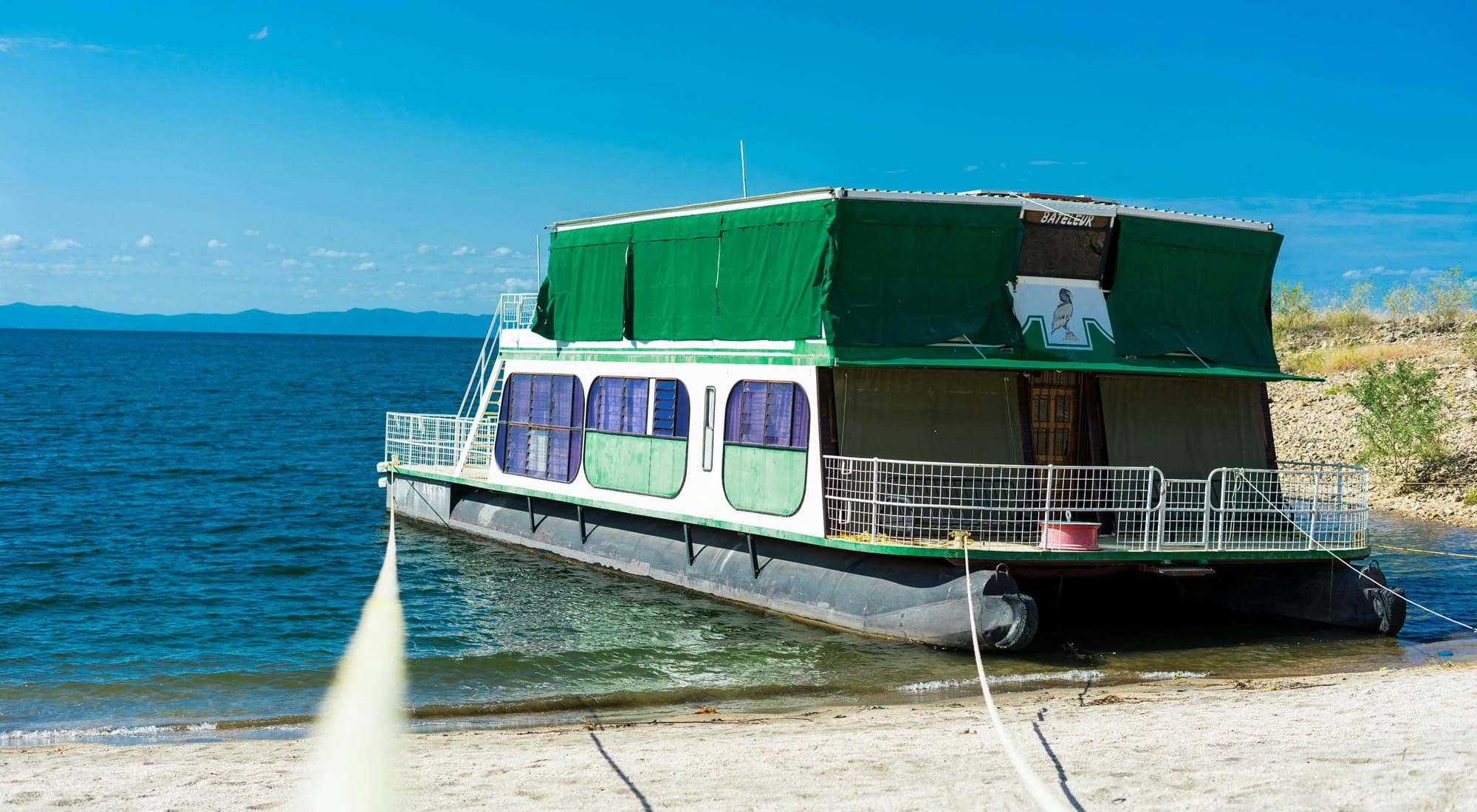
Houseboating remains one of Kariba’s signature experiences. The stillness of the water and the wide horizon create a sense of calm that appeals to travellers seeking slower days. Houseboats navigate to quiet bays where wildlife often gathers on the shoreline.
The Matusadona National Park on the southern shore provides a protected refuge for elephants, buffalo, hippos and crocodiles. The park’s hills slope gently towards the water, forming ideal grazing areas during dry months when water sources elsewhere become scarce.
Fishing draws travellers from across the region. Tigerfish are the main attraction, known for their speed and powerful runs. The Sanyati Gorge, with its deep channels and steep cliffs, offers some of the most productive angling spots on the lake.
The gorge’s rocky walls and shifting shadows create an atmosphere that feels far removed from the open waters near Kariba town. Sunrise and late afternoon sessions often yield the best conditions.
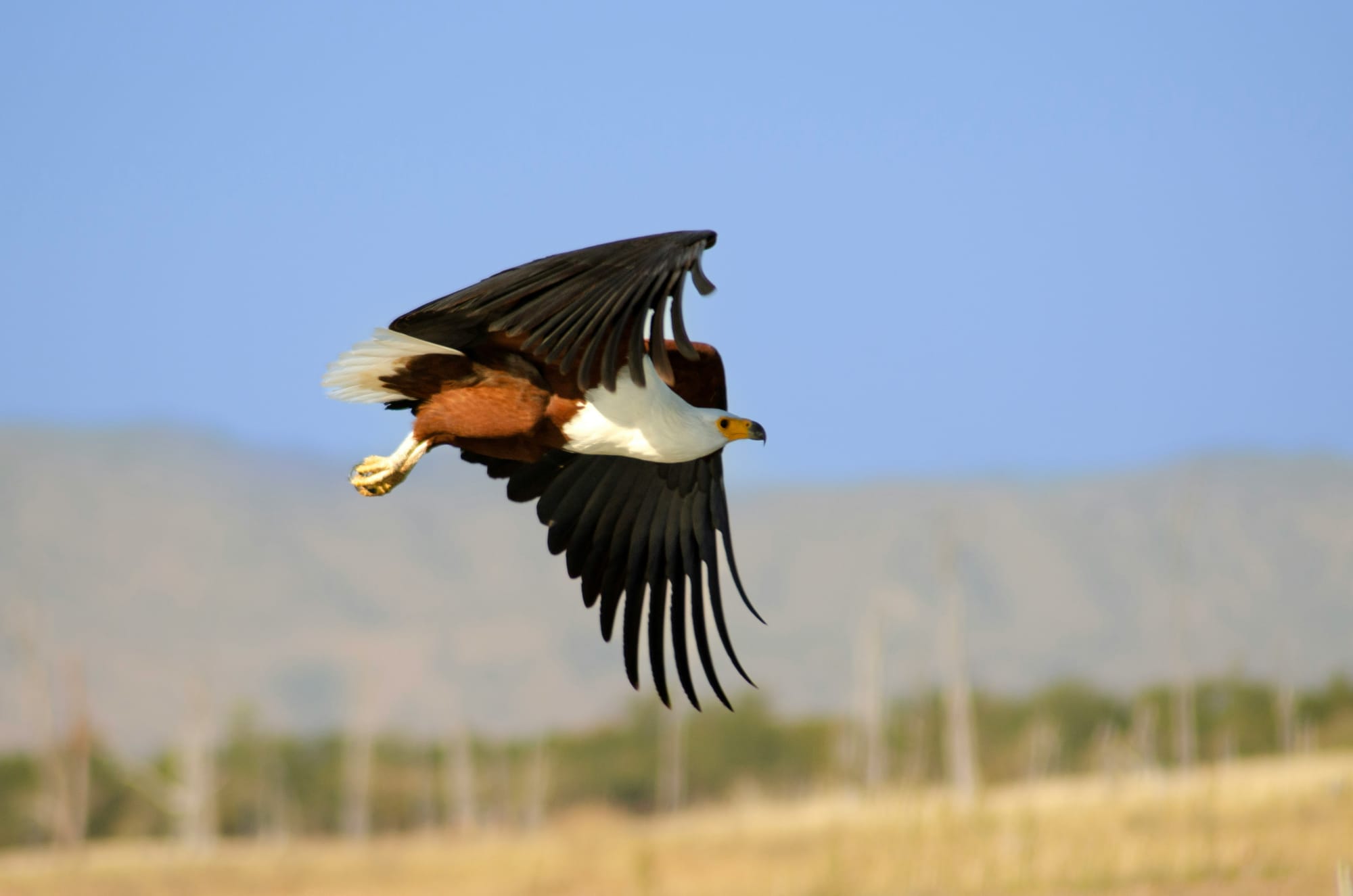
The lake’s islands add character to the experience. Many are small and uninhabited, forming resting spots for birds such as fish eagles, cormorants and herons. The haunting silhouettes of drowned trees often rise from the water, creating striking shapes at sunset. These dead trunks remain from the valley flood and now serve as natural perches for fish eagles. Their distinct call carries across the water and becomes part of the lake’s identity.
The shoreline communities contribute another layer of charm. Markets in Kariba town sell fresh produce, dried fish and crafts that reflect local tradition. Travellers often encounter the warm friendliness typical of lakeside towns. Life moves at a gentle pace. The heat during summer months encourages relaxed afternoons and evenings spent on verandas overlooking the water.
The Kariba Dam wall itself is worth visiting. The structure spans more than six hundred metres across the gorge, holding back billions of cubic metres of water. The engineering achievement becomes more impressive when one sees the steepness of the surrounding cliffs.
The narrowness of the gorge explains why this location was chosen for the construction. Views from the observation points near the dam reveal the Zambezi River flowing downstream towards the Lower Zambezi National Park.
Wildlife enthusiasts often combine a Kariba trip with time in Matusadona. The park has undergone significant conservation initiatives in recent years, with increased anti-poaching efforts and habitat restoration. The presence of rhino populations in earlier decades shaped the park’s reputation, and conservation groups continue working to support long-term wildlife recovery. The combination of lake and bush offers travellers an appealing variety of experiences.
Lake Kariba remains a place where vast water, rugged hills and quiet bay inlets create an atmosphere that feels both peaceful and powerful. The lake’s scale continues to surprise first-time visitors. The landscape invites slow travel, thoughtful days and vivid sunsets that spread across the water like liquid copper. This sea that is not a sea continues to hold a special charm for travellers seeking a mix of nature, history and stillness.
🔴 You might also like:
 Mariana Balt



Comments ()