
Going north to explore Limpopo province
Limpopo is far more than a route to the Kruger or neighbouring countries, but offers a layered and diverse travel experience.
Limpopo is often treated as a province people pass through rather than a place they actively choose to explore. Travellers heading from Gauteng towards the Kruger National Park, Zimbabwe, or Botswana usually follow the N1 north corridor, watching the landscape shift but rarely stopping long enough to understand it. That habit overlooks one of South Africa’s most geographically and culturally layered regions.
The province sits at the northern edge of the country, bordered by Zimbabwe to the north, Botswana to the north-west and Mozambique to the east. This positioning shapes everything about its character.
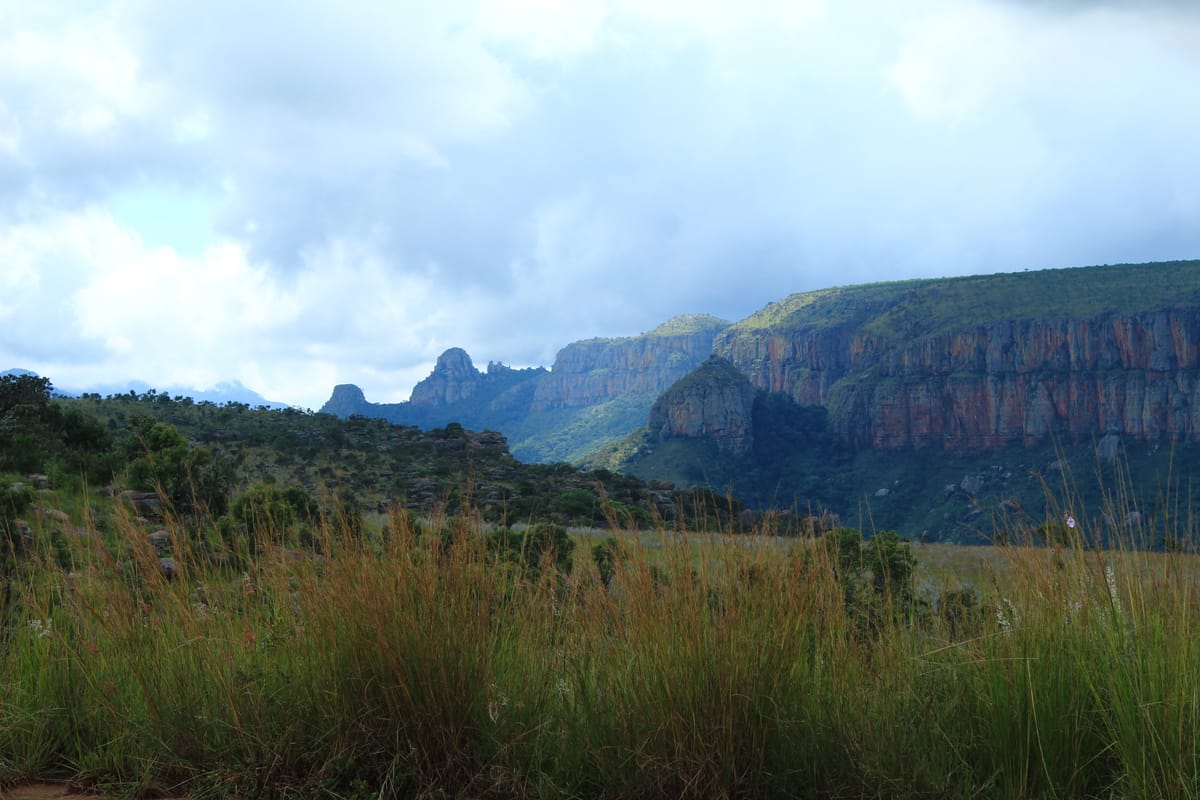
Limpopo is not a single landscape but a transition zone where bushveld, mountain ranges, river valleys and semi-arid plains meet.
Travelling north from Pretoria, the change begins gradually along the N1. The busy urban edge softens near Bela-Bela, where warm mineral springs have made the town a long-standing stop for road travellers. Beyond this point, the Waterberg region rises in sandstone formations stretching across towns such as Modimolle and Vaalwater. The Waterberg Biosphere Reserve, recognised by UNESCO, protects one of South Africa’s most important wilderness areas, where malaria-free game reserves and private conservancies spread across rolling bushveld.
Further north, the landscape shifts again around Mokopane and Polokwane. Polokwane, the provincial capital, functions as both an administrative centre and a travel hub. Roads radiate outward towards the Soutpansberg, Tzaneen and border posts leading into neighbouring countries. Despite its urban role, the city remains closely connected to the surrounding rural landscapes.
To the east, the Magoebaskloof region near Haenertsburg introduces a completely different environment. Mist clings to indigenous forests, waterfalls cut through steep valleys and narrow mountain roads wind through pine plantations. The R71 between Tzaneen and Polokwane is one of the most scenic routes in the country, offering a striking contrast to the dry bushveld below.
Haenertsburg itself feels unexpectedly quiet, with small cafés, bookshops and gardens that attract travellers seeking cooler mountain air. This pocket of Limpopo often surprises visitors who associate the province only with heat and lowveld terrain.
Further north, the Soutpansberg mountains stretch east-west above Louis Trichardt, now officially Makhado. This ancient range is among the most biodiverse areas in South Africa. Indigenous forests, remote valleys and protected reserves support rare bird species and elusive wildlife, including leopards that move through densely vegetated slopes.
Beyond the mountains, the road towards Musina opens into drier landscapes. Baobab trees appear more frequently, standing like natural landmarks across the bushveld. Musina, close to the Limpopo River, marks the final major South African town before the border with Zimbabwe.
The far north holds one of the province’s most significant historical sites. Mapungubwe National Park, located near the confluence of the Limpopo and Shashe rivers, preserves the remains of an early African kingdom that flourished between the 11th and 13th centuries. Archaeological discoveries here revealed one of the earliest known complex societies in Southern Africa, long before colonial mapping defined modern borders.
Sandstone formations, wide river valleys and scattered baobabs shape the park itself. It forms part of a transfrontier conservation area shared with Botswana and Zimbabwe, highlighting how wildlife and history move beyond political boundaries.
Agriculture also defines Limpopo’s identity. Citrus orchards around Tzaneen, banana plantations in the fertile lowveld and avocado farms across the Magoebaskloof slopes contribute significantly to South Africa’s food supply. These cultivated landscapes sit in direct contrast to the surrounding wilderness areas.
What makes Limpopo particularly distinctive is its pace. The province does not demand attention in the way coastal cities or major safari destinations do. Instead, it unfolds gradually through long drives, roadside stalls selling fresh produce, and shifting terrain that changes from mountains to bushveld over short distances.
Travellers who slow down often discover that Limpopo is not a corridor at all. It is a destination shaped by movement, ecology and deep cultural history, best understood one road at a time.

Comments ()