
Exploring the Kgalagadi Transfrontier Park
The Kgalagadi Transfrontier Park comprises mostly desert, defined by space and patience, yet it remains one of the most popular game parks in Southern Africa.
🔴Have you read this article yet?
 Mariana Balt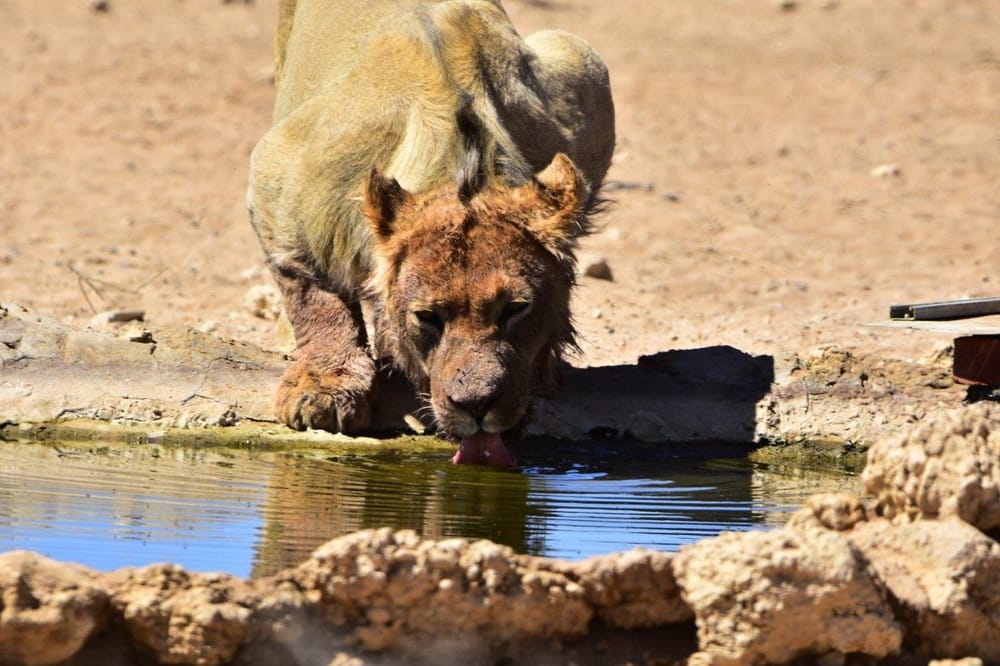
 Mariana Balt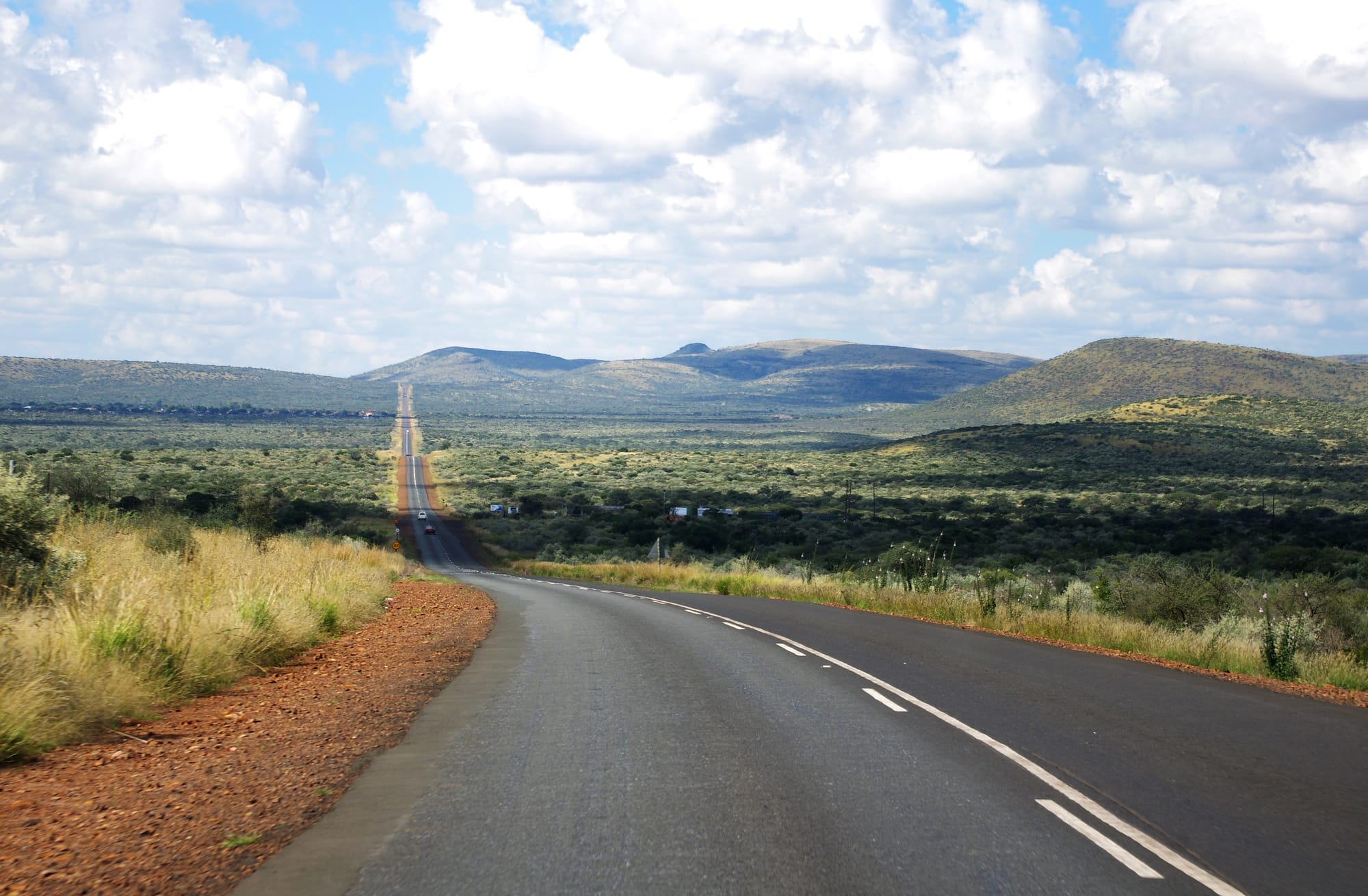
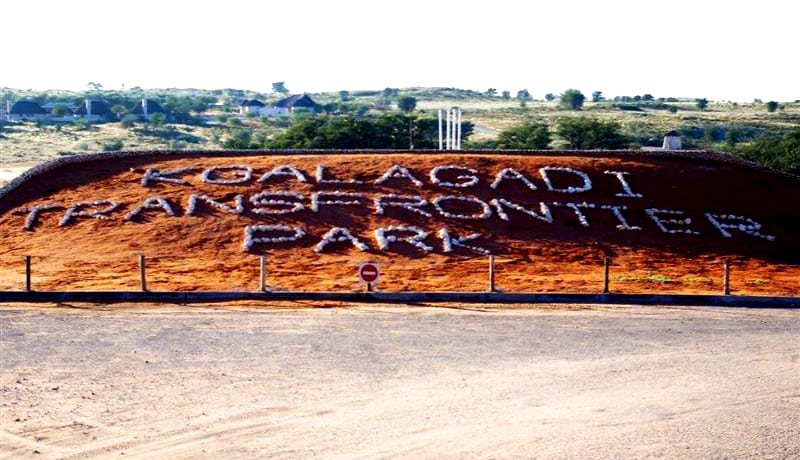
The Kgalagadi Transfrontier Park spans South Africa’s Northern Cape and southwestern Botswana, forming one of the most expansive protected arid landscapes in southern Africa.
Reached via Upington or the remote town Van Zylsrust, the park unfolds across red dunes, open plains and the fossil beds of the Nossob and Auob rivers.
These rivers seldom flow today, yet they continue to shape the distribution of vegetation and wildlife, creating linear corridors of life across an otherwise austere environment.
Long before conservation boundaries were drawn, the Kgalagadi was home to the Khomani San and Mier communities. Their survival depended on an intimate understanding of seasonal movement, edible plants and hidden water sources.
This history remains visible through cultural projects and land restitution agreements that acknowledge the human story of the Kalahari alongside its ecological value. The desert, often misread as empty, reveals itself instead as a place of accumulated knowledge and resilience.
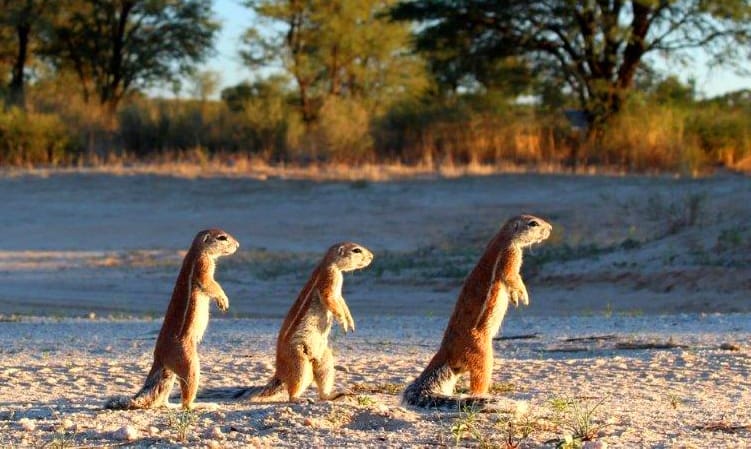
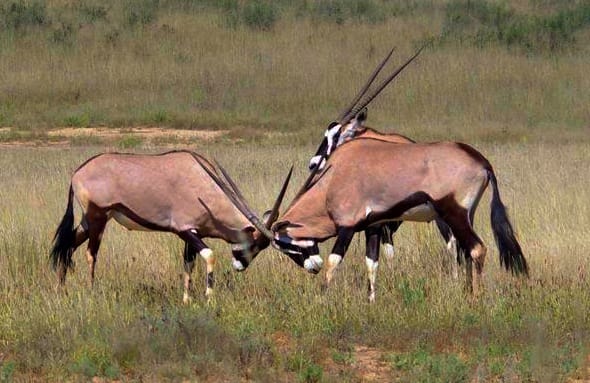
Wildlife encounters in the Kgalagadi are governed by patience rather than density. Large herbivores such as gemsbok, springbok and blue wildebeest move deliberately across the plains, their adaptations finely tuned to heat and scarcity.
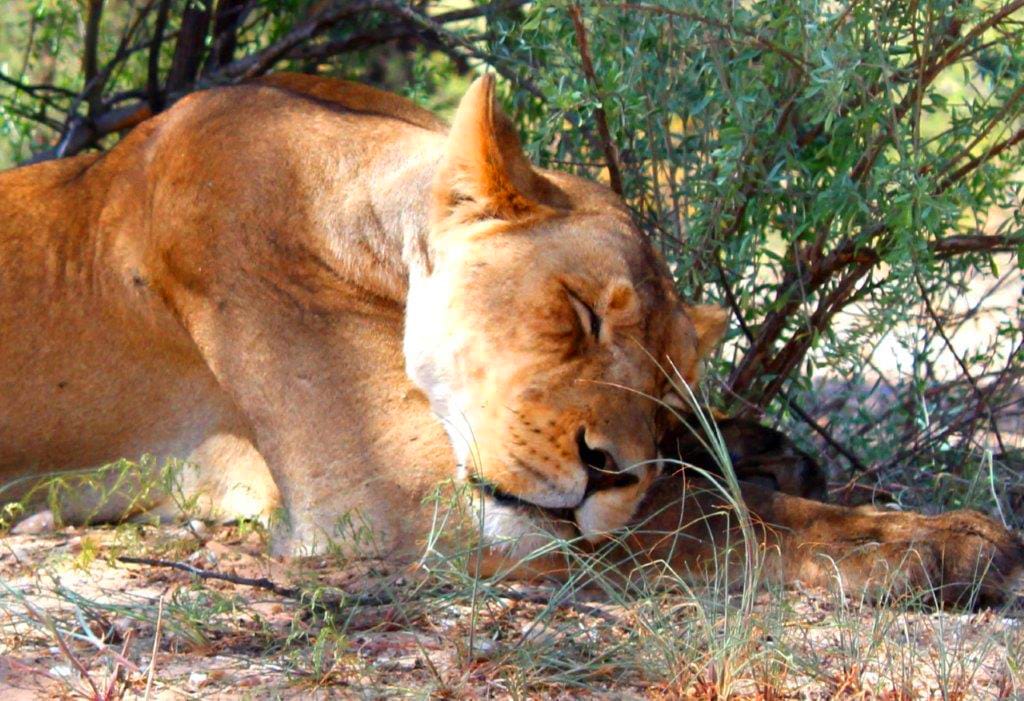
Predators follow predictable yet subtle patterns along the riverbeds. Black-maned Kalahari lions are the park’s most iconic residents, their pale coats and impressive manes shaped by the climate. Cheetahs favour the open terrain, while leopards remain elusive, often detected only by tracks pressed into sand.
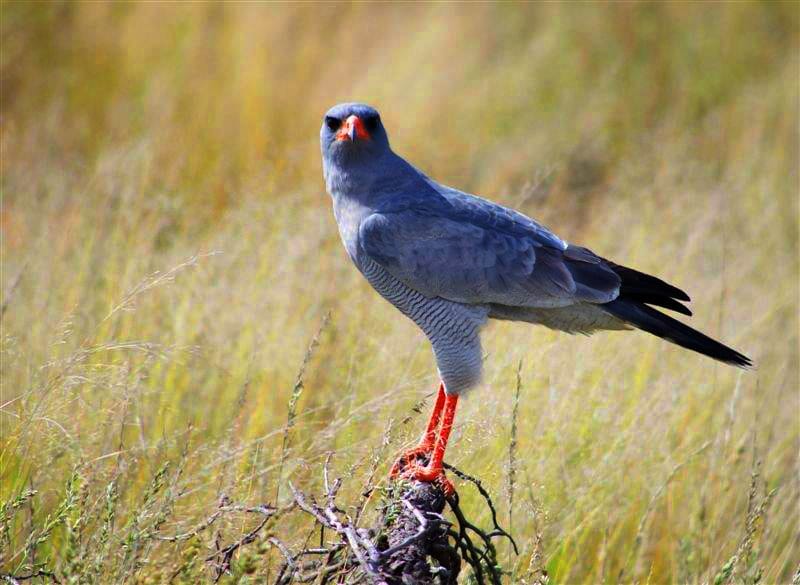
The park is also renowned for its birdlife. Raptors dominate the skies, including martial eagles, bateleurs and tawny eagles, while pale chanting goshawks perch conspicuously on camelthorn trees. Sociable weavers construct massive communal nests that turn isolated trees into bustling centres of activity.
Seasonal rains attract migratory species, adding colour and movement to the landscape. Accommodation options allow visitors to experience the park’s rhythm without sacrificing comfort. Twee Rivieren serves as the main hub, offering chalets, camping facilities, fuel and a small shop.
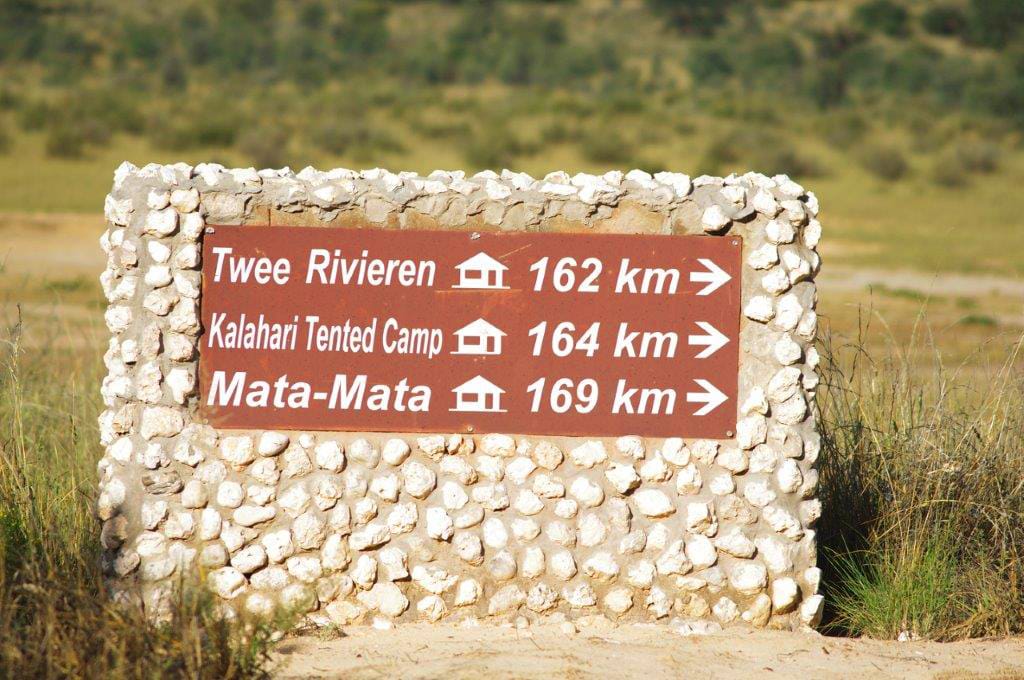
Mata Mata and Nossob camps lie further north, each positioned for excellent wildlife viewing along river courses. For those seeking solitude, wilderness camps such as Urikaruus, Kieliekrankie and Grootkolk provide elevated cabins overlooking active wildlife areas, with unfenced surroundings that heighten awareness of the environment.
Experiences in the Kgalagadi are deliberately understated. Self-drive safaris encourage slow exploration, with sightings often unfolding over extended periods rather than brief encounters.
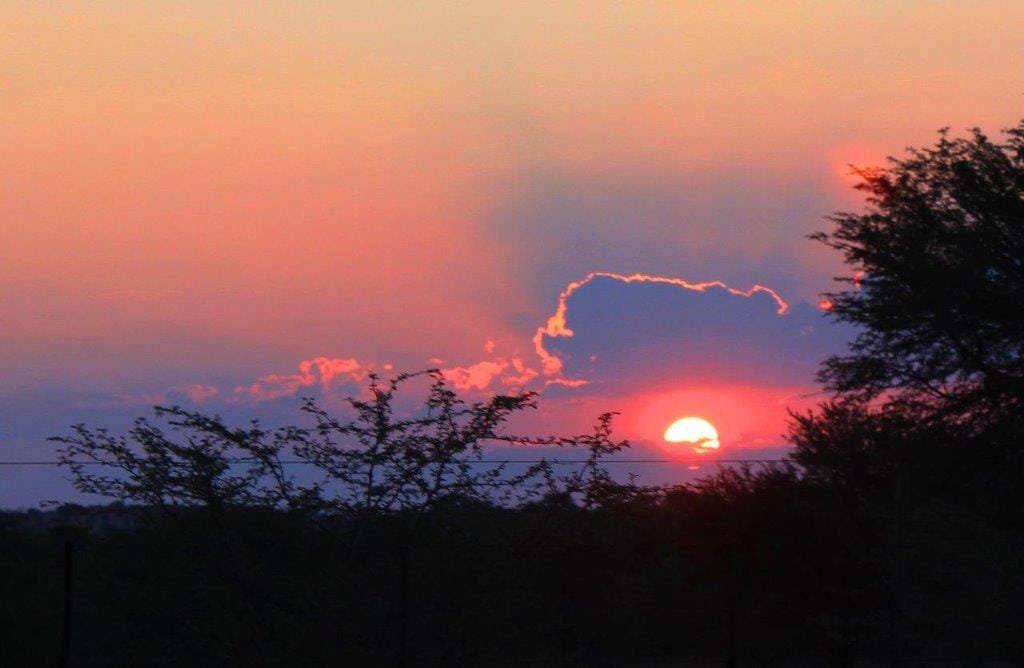
Nightfall brings its own rewards, as temperatures drop and the sky reveals dense constellations free from light pollution. Guided activities are limited, reinforcing the sense of independence and immersion in the landscape.
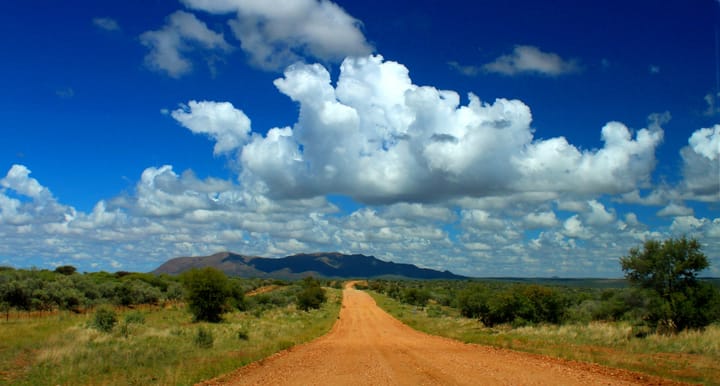
Access requires preparation and respect for conditions. Gravel roads dominate, and a high-clearance vehicle is advisable, particularly after summer rainfall.
Summer temperatures frequently exceed 40 degrees Celsius, while winter mornings can be sharply cold. These extremes shape daily routines and reinforce the need for self-sufficiency.
The Kgalagadi does not overwhelm through spectacle. Its power lies in space, repetition, and the quiet drama of survival played out across a desert that rewards those willing to slow down.
🔴You might also like to read:
 Mariana Balt



Comments ()