
Elephants, endemics and a glorious fuss in Addo
Addo Elephant National Park is more than its famous elephants, offering a richly layered safari experience shaped by accessible landscapes, diverse wildlife, and a gentle Eastern Cape rhythm.
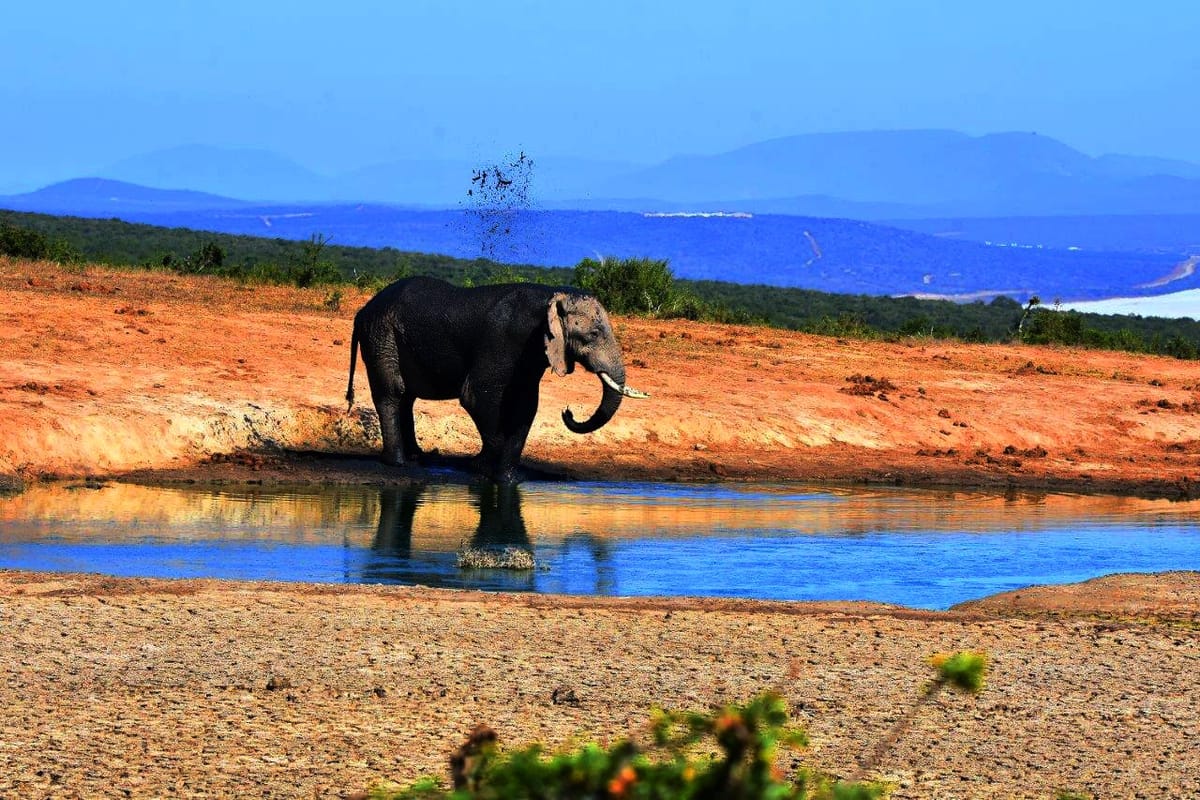
Much ado is made about Addo Elephant National Park, and with good reason. What began as a modest refuge for a handful of elephants has grown into one of South Africa’s most rewarding and surprisingly varied national parks.
Addo is not only about elephants, although they are the undisputed stars. It is about space, silence, biodiversity, and the thrill of spotting wildlife against a backdrop that shifts from thicket to coastline.
Addo Elephant National Park lies in the Eastern Cape, about 70 kilometres north of Gqeberha, formerly Port Elizabeth. It is one of the most accessible national parks in South Africa, easily reached by tarred roads and suitable for self-drive visitors. The park stretches inland from the Sundays River valley and, in its expanded form, reaches all the way to the Indian Ocean.
Addo sits within the Albany Thicket biome, a dense, almost impenetrable mix of spekboom, thorny shrubs, aloes, and ancient cycads. This vegetation is uniquely adapted to browsing animals, which explains why elephants thrive here in such numbers.
The climate is mild and relatively stable throughout the year. Summers are warm without being extreme, while winters are cool and dry. Rainfall is low and can occur at any time of year, making Addo a genuine all-season destination. This consistent climate supports a remarkable range of habitats, from semi-arid bush to coastal dunes and marine environments.
Elephants are the headline act, with hundreds roaming the main game viewing area. Watching them at waterholes, caked in pale Addo dust, is one of the park’s most memorable sights. The density of elephants means sightings are frequent and often at close range, yet they never feel staged.
Addo is also one of the few national parks in South Africa that protects the Big Seven. In addition to lion, buffalo, rhino, and leopard, the park includes great white sharks and southern right whales within its marine protected area. This makes Addo unique in scope, even if most visitors focus on the terrestrial wildlife.
Other highlights include excellent sightings of Cape buffalo, spotted hyena, black backed jackal, and a wealth of birdlife. The flightless dung beetle, a local conservation success story, adds a quirky ecological footnote to any visit.
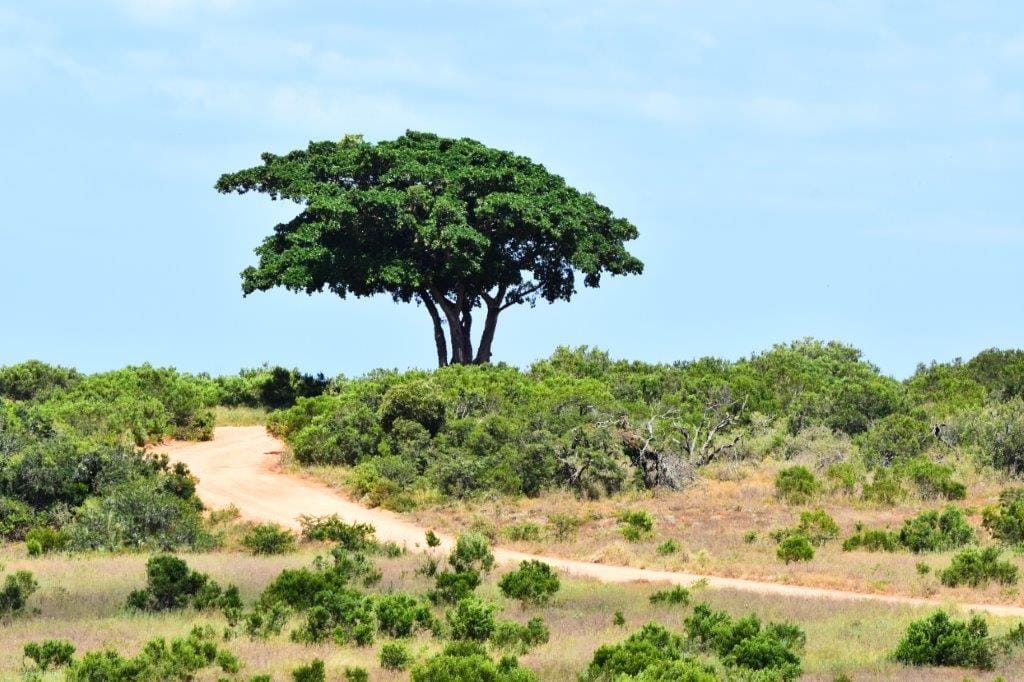
For travellers seeking variety, Addo delivers. You can spend a morning on a game drive, an afternoon exploring the less-visited Zuurberg section, and still be close enough to the coast to pair your safari with a seaside stay.
Much ado, indeed. But in Addo’s case, the fuss is entirely justified.
🔴 You might also like:
 Mariana Balt
 Mariana Balt



Comments ()