
Don’t get swamped by the majesty of Botswana’s Okavango Delta
The Okavango reveals its power through seasonal water and balance, where guests can follow wildlife with minimal environmental disturbance.
🔴 You might also like to read:
 Mariana Balt
 Mariana Balt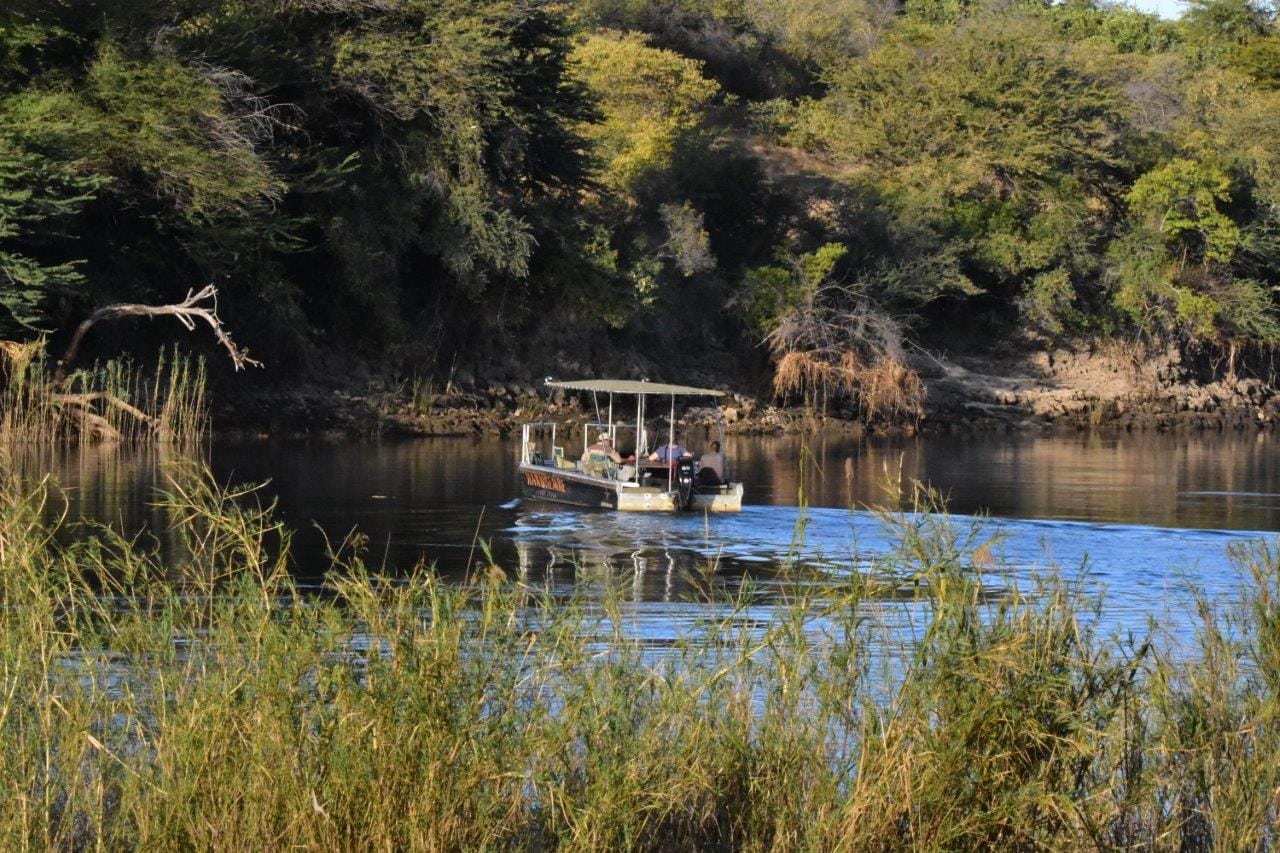
The Okavango Delta in northern Botswana stands as one of the world’s most distinctive wetland systems.
Unlike conventional deltas, its waters never reach the sea. Rainfall in the Angolan highlands feeds the Okavango River, which travels south before dispersing across ancient sands, transforming dry woodland into a shifting network of channels, floodplains and islands. This seasonal phenomenon defines both ecological patterns and visitor experience.
At peak flood, usually between May and August, the delta can extend over more than 15,000 square kilometres. The timing coincides with Botswana’s dry season, concentrating wildlife around permanent water sources. During summer months, regional rainfall supports lush grasses and flowering plants, attracting migratory birds and dispersing animals across a wider area. Each season offers a different lens through which to understand the delta.
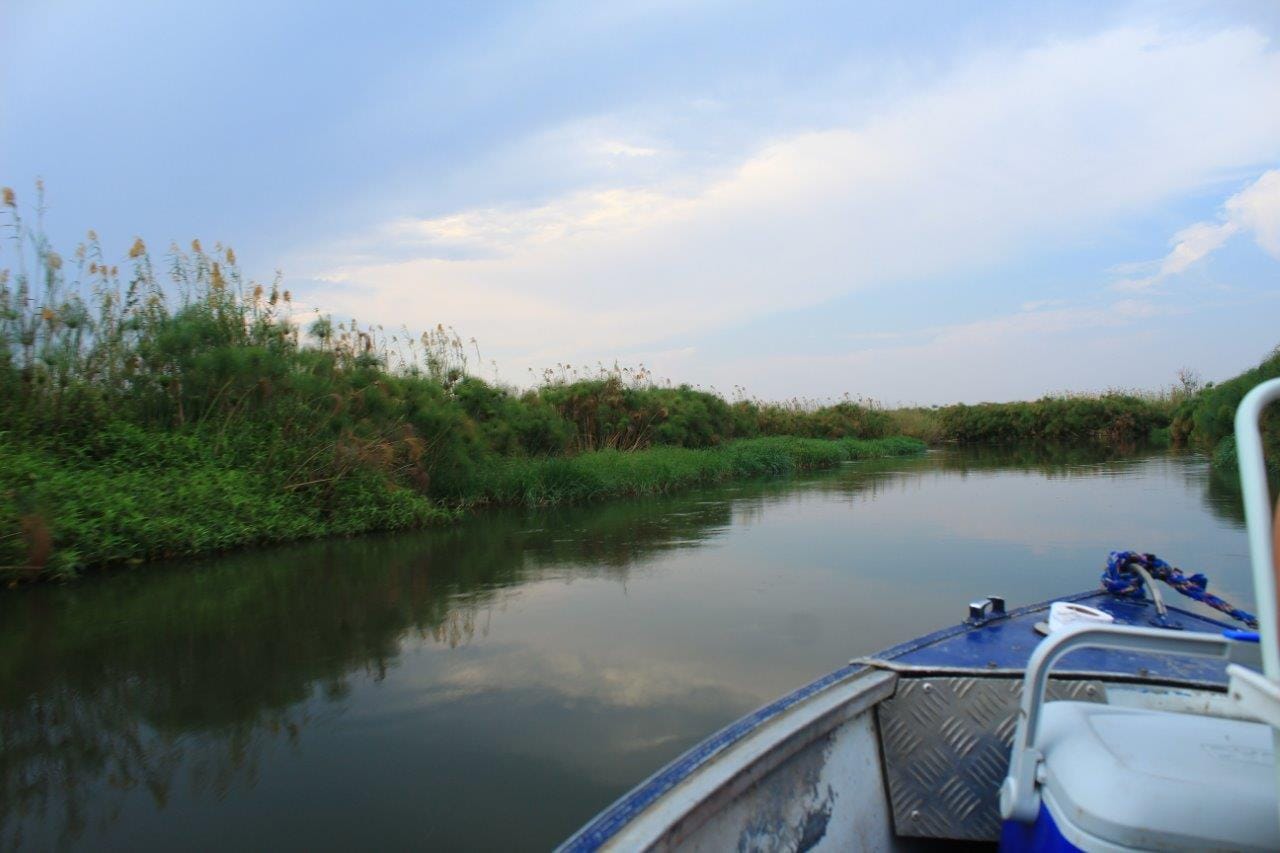
Wildlife has adapted with remarkable precision. Elephants traverse channels with ease, swimming between islands and shaping pathways through repeated movement. Red lechwe occupy shallow floodplains, while sitatunga remain concealed within papyrus beds. Predators adjust to this fluid terrain, with lions crossing water and African wild dogs covering vast distances in search of prey.
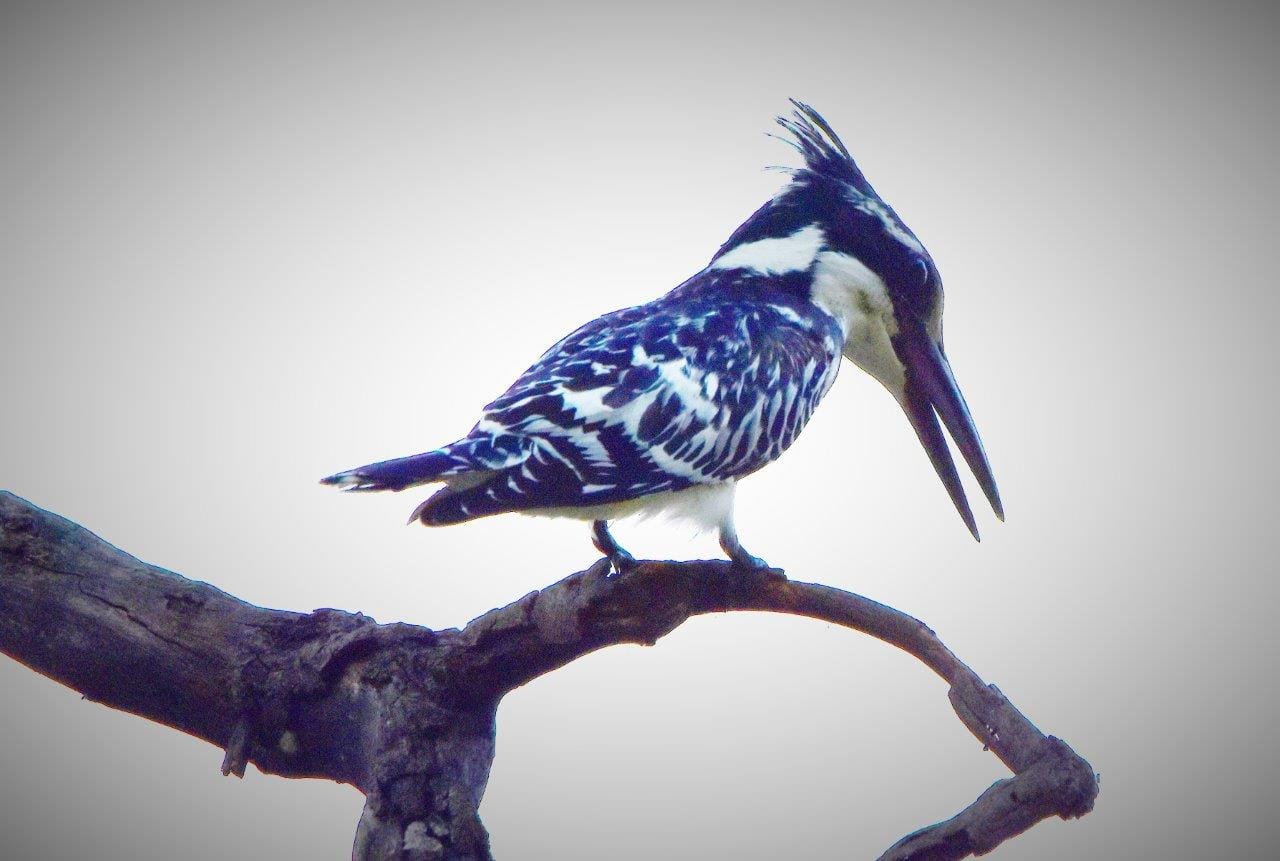
Birdlife is prolific, from African fish eagles calling across lagoons to herons, storks and kingfishers feeding along reed-lined margins.
Tourism in the Okavango follows a low-impact model. Lodges and camps operate within strictly regulated concessions that limit visitor numbers and protect sensitive habitats. Accommodation typically consists of canvas or lightweight structures raised on decks, positioned to overlook waterways or grassland. Mobile safari camps relocate seasonally, allowing guests to follow wildlife movements while minimising environmental disturbance.
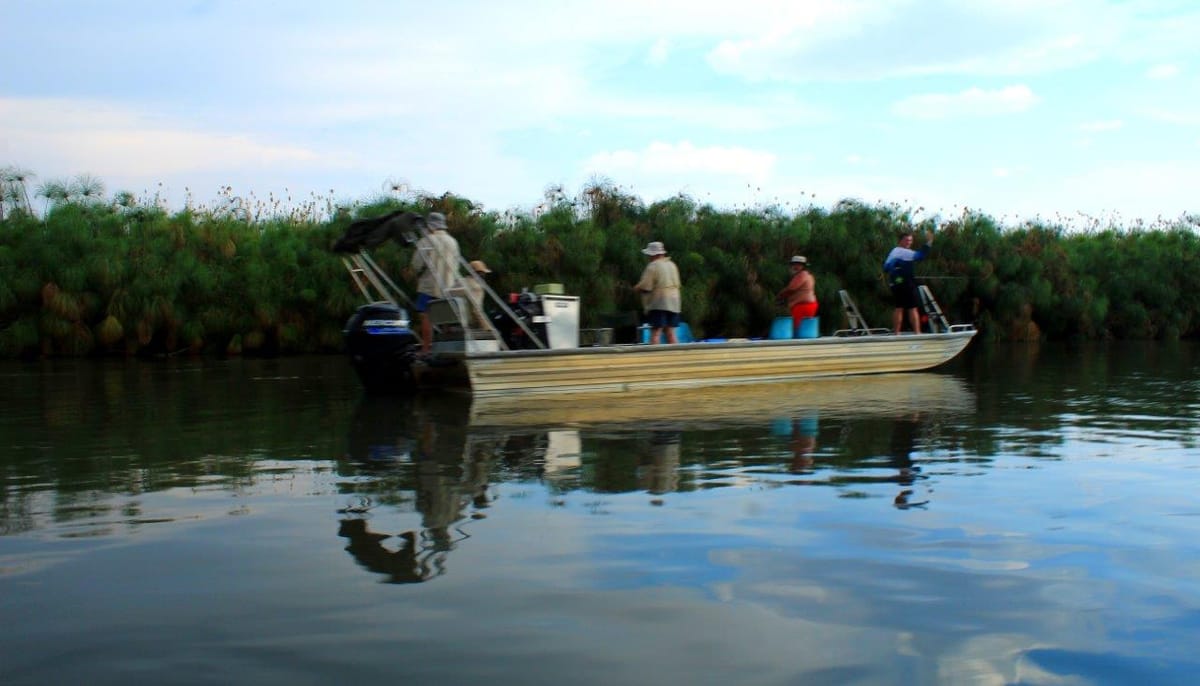
Experiences prioritise quiet observation. Mokoro excursions glide through narrow channels, guided by local polers whose knowledge of currents, vegetation and wildlife is deeply rooted. Motorboat safaris explore larger lagoons, while walking safaris on established islands reveal tracks, plants, and smaller species often overlooked from vehicles. Scenic flights provide perspective, tracing the intricate geometry of the delta from above.
Maun functions as the primary gateway, a frontier town where supply depots, workshops and airstrips support remote operations. From here, travellers transition from tarred roads to light aircraft and waterways, marking a clear shift in pace. Community partnerships underpin much of the tourism economy, with revenue supporting education, conservation and employment initiatives.
The Okavango Delta’s appeal lies in balance. Water arrives, recedes and returns, sustaining life through rhythm rather than force. This landscape reveals its depth gradually, rewarding attentiveness and restraint.
🔴 You might also like to read:
 Mariana Balt
 Mariana Balt

Comments ()