
Does Limpopo have anything to offer a traveller?
Limpopo offers mountains, wildlife, cultural heritage and hospitality for travellers who look beyond well-known routes.
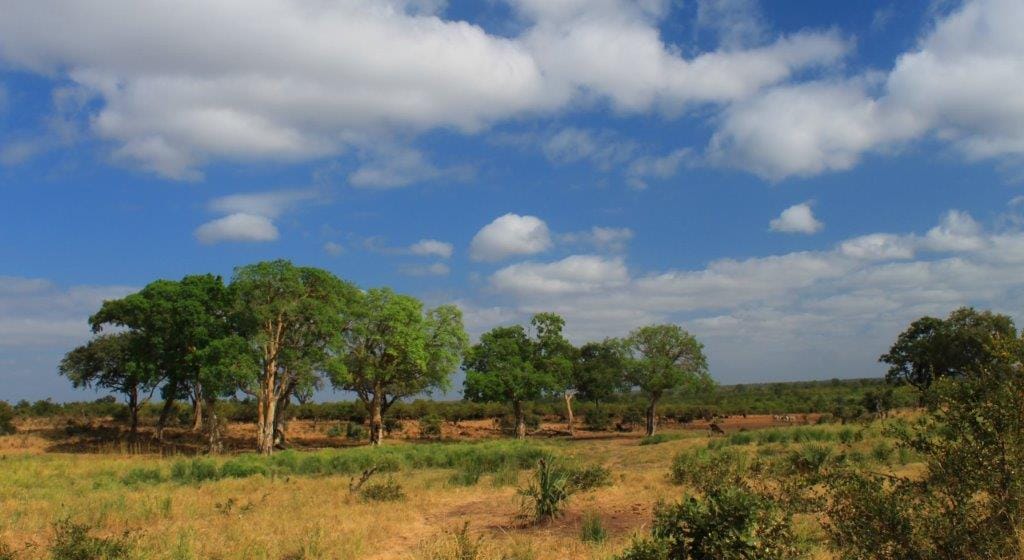

Limpopo often receives less attention than other South African provinces, yet it offers a surprising range of travel experiences. Its landscapes, cultural heritage and wildlife areas combine to create a region that rewards curiosity.
The province stretches from the Waterberg mountains in the south to the Limpopo River in the north, forming a diverse travel corridor that links rural villages, historic sites and nature reserves.
The Waterberg region provides one of the best introductions to Limpopo. Its rolling hills, sandstone cliffs and bushveld plains support a wide variety of wildlife. Several private reserves operate in the area and offer guided drives that focus on ecology as much as sightings.
🔴 You might also like:
 Mariana Balt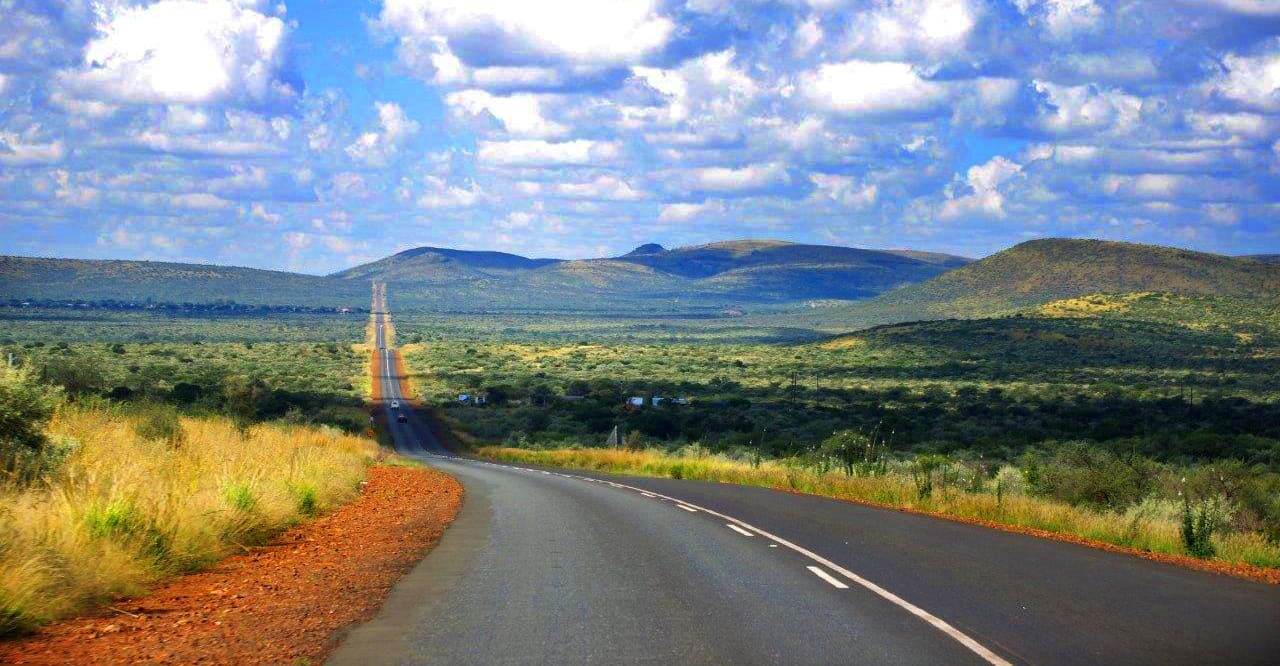
The Marakele National Park, situated within the Waterberg Biosphere Reserve, showcases the region’s transitional vegetation. The drive to the Lenong Viewpoint reveals vast views across the plains and a thriving colony of Cape vultures. These birds often circle above the cliffs, taking advantage of the rising thermals.
Polokwane, the provincial capital, sits along the N1 and provides access to wildlife and cultural sites. The Polokwane Game Reserve protects savannah habitats close to the city limits. It offers self-drive routes and walking trails that reveal species such as sable antelope, giraffes and white rhinos.
The Hugh Exton Photographic Museum in the city centre presents a historical collection of images from the early twentieth century. These photographs offer intriguing insights into the region’s past.
Travellers heading north towards the Soutpansberg encounter a landscape shaped by mountains, misty mornings and forest patches. The region supports birdlife and botanical diversity, including rare cycads. The town of Makhado, formerly Louis Trichardt, acts as a gateway to surrounding reserves such as the Entabeni Forest.
The area’s cultural depth becomes clear when exploring Venda art markets and sacred sites. The Dzata Museum, located near Musina, focuses on the heritage of the Venda people and the history of the Mapungubwe civilisation located further west.
The northern edge of Limpopo borders the Limpopo River and offers access to the Mapungubwe National Park. This park holds significant archaeological value as the site of a once-thriving kingdom where evidence of early trade networks has been uncovered.
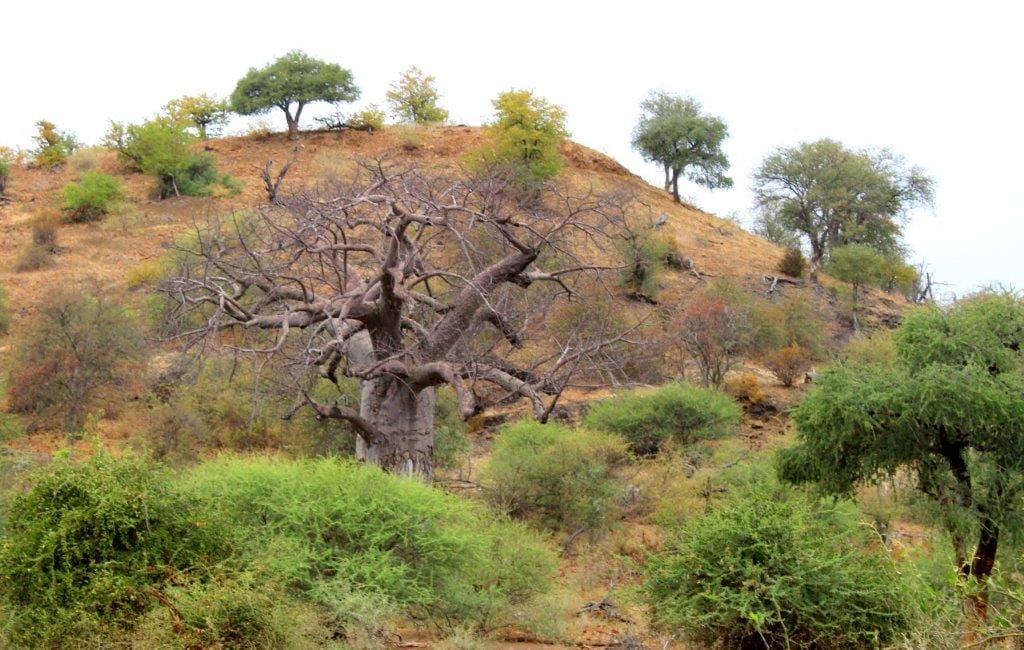
The sandstone formations, baobab groves and sweeping river views create a landscape that feels both ancient and alive. Travellers can explore viewpoints, walking trails and the excellent visitor centre. Wildlife roams throughout the park, with elephants frequently seen near the river.
The province’s cultural richness extends to rural villages where artisans produce crafts ranging from pottery to beadwork.
The Ribola Art Route near Elim introduces travellers to local artists working with textiles, ceramics and traditional musical instruments.
Those seeking wilder landscapes often gravitate towards the northern Kruger National Park. Although the park spans multiple provinces, the Limpopo section between Punda Maria and the Pafuri region stands out for its unique mix of species and habitats.
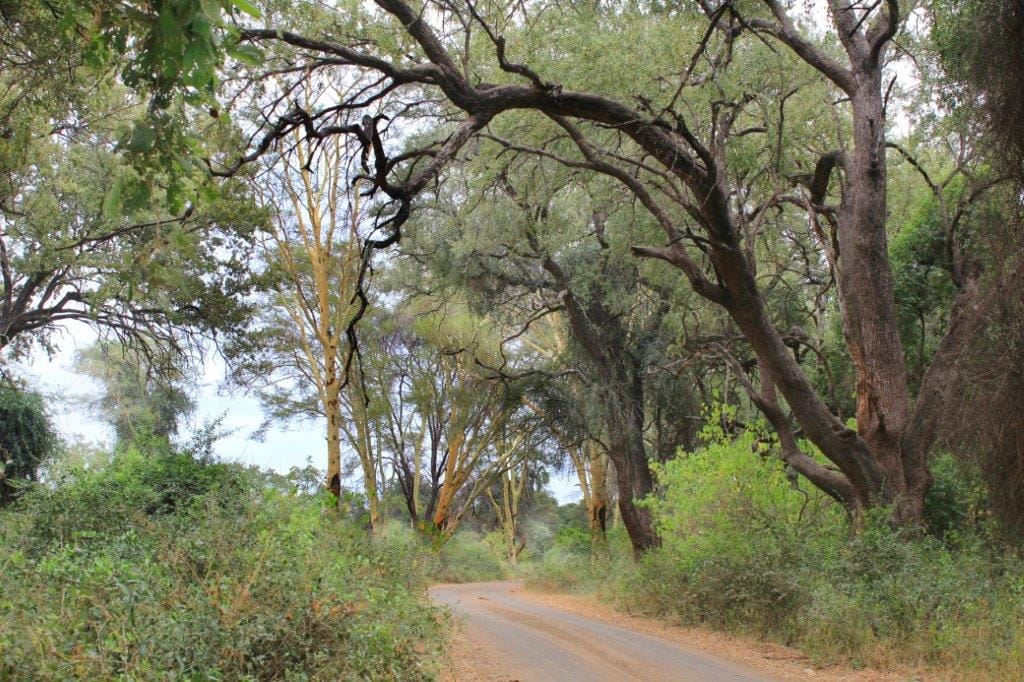
The Luvuvhu River valley near Pafuri supports fever tree forests, riverine bush and bird species found nowhere else in South Africa. Drives along the S63 towards Crook’s Corner often reveal elephants, nyala, buffalo and occasionally predators such as leopards. The region’s quiet roads and rich birdlife appeal to travellers wanting a different flavour of the Kruger.
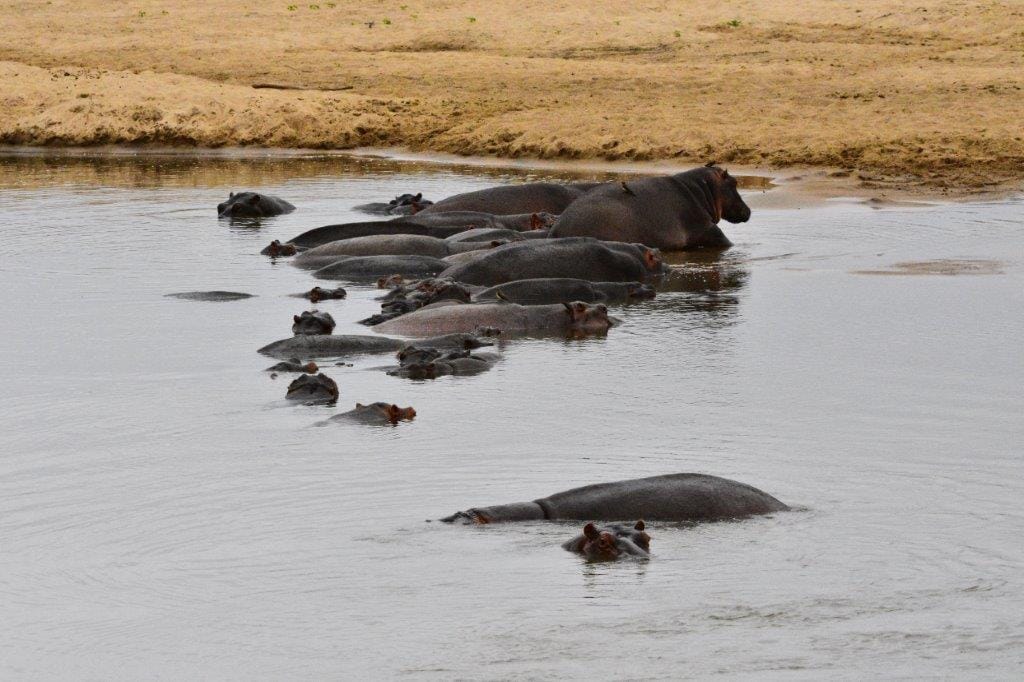
Limpopo’s hot springs offer another distinctive experience. The warm waters at Bela Bela have drawn visitors for generations. The area’s surrounding bushveld provides an easy escape from Gauteng, especially for weekend travellers. Several lodges within the region offer walking trails and guided activities that showcase local ecology.
The province’s appeal lies in its subtlety. It may lack the high-profile attractions of neighbouring regions, yet it compensates with cultural depth, diverse landscapes and generous hospitality.
🔴 You might also like:
 Mariana Balt


Comments ()