
Camping for dummies, chapter 2026
Camping in 2026 looks very different from the soggy tents and stress of yesteryear. Rooftop tents and smart planning made camping more accessible, even for first-timers.
🔴 Have you read these articles yet?
 Mariana Balt
 Anchen Coetzee
Camping has a reputation problem. For many people, it still conjures images of leaking tents, forgotten matches, and a long night listening to canvas flap while the wind toys with your patience. In 2026, that version of camping is outdated.
Across Southern Africa, a shift is underway, led by travellers who want the outdoors without the discomfort, and freedom without the chaos. This is camping for people who do not want to become survival experts before their first weekend away.
The modern camping beginner is more likely to arrive from the city with a playlist queued, a decent coffee setup, and a clear plan to sleep well. With the right setup, any landscape has become accessible to people who value simplicity and confidence over bravado.
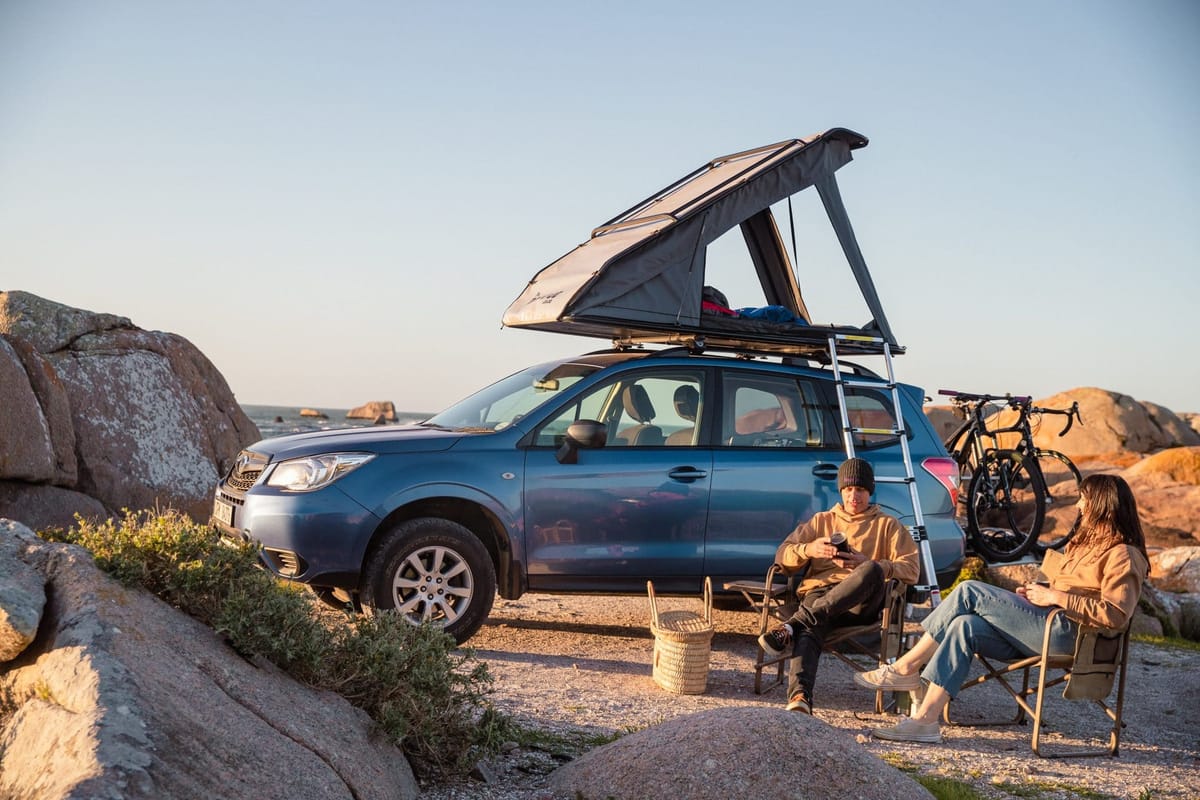
Rooftop tents sit at the heart of this change. For first-time campers, the appeal of a products like those supplied by The RoofPod is obvious. You do not need to find perfectly flat ground or worry about flooding after summer rain. Elevation also brings peace of mind as you are above the dust, above the damp, and far less interesting to curious wildlife during the night.
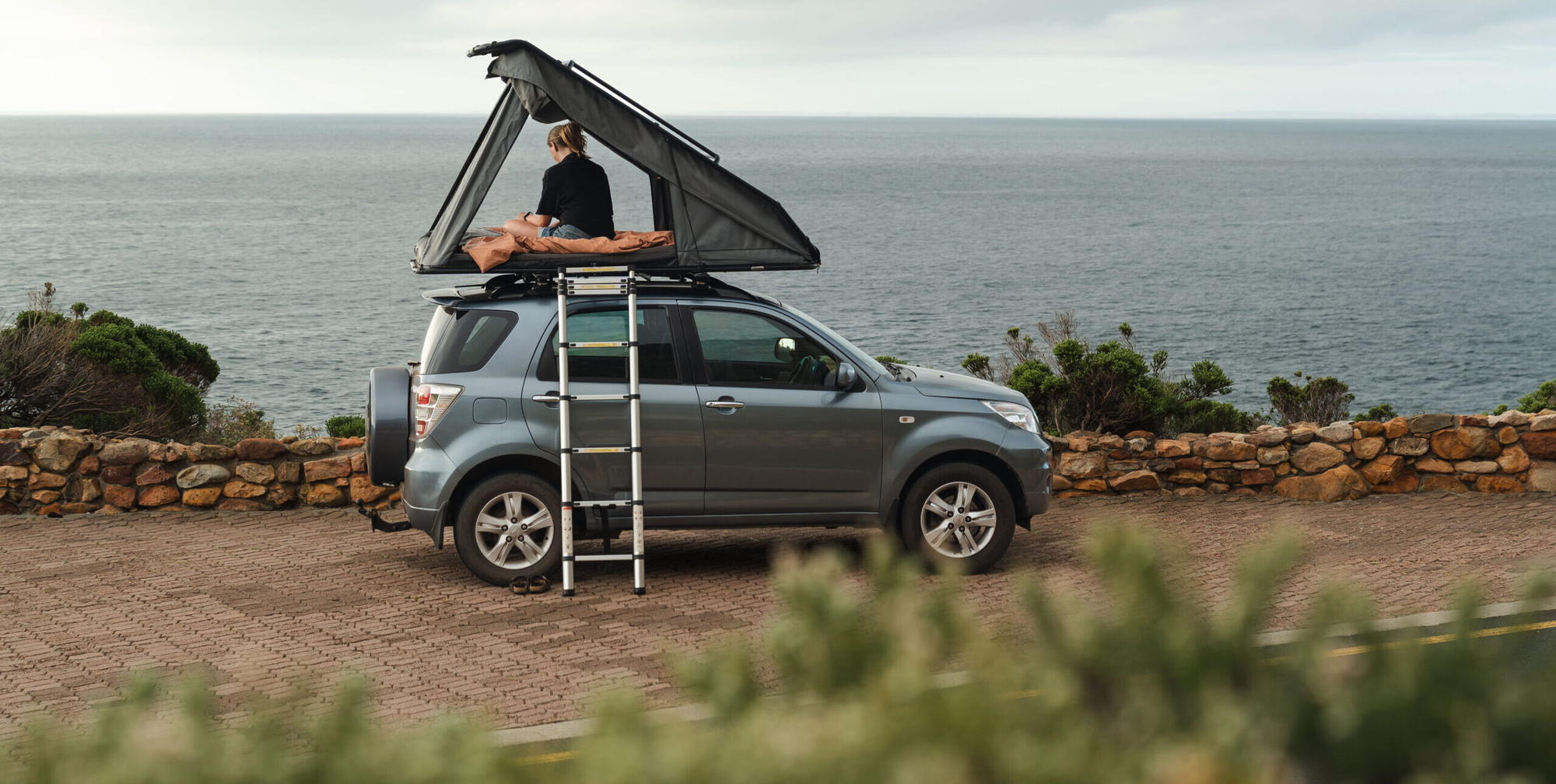
The RoofPod turns even the smallest vehicle into a self-contained sleeping space. For beginners, that removes one of camping’s biggest stress points. There is no late evening scramble to beat fading light, and no early morning wrestling with poles.
Camping in Southern Africa also demands respect for distance. A drive from Johannesburg to Augrabies Falls National Park is around 950 kilometres, often split over two days. Long stretches of road reward lightweight travel.
Rooftop tents, especially newer lightweight designs like the ones from The RoofPod, reduce packing complexity and vehicle strain. That matters when fuel stops are sparse, temperatures climb above 35 degrees, and fatigue creeps in after hours on the N14 or the Trans Kalahari Highway.
For beginners, the psychological comfort of a known sleeping setup cannot be overstated. Wherever you stop, the night routine stays the same: Ladder down, bedding ready, canvas zipped. Familiarity breeds confidence, and confidence is what allows new campers to enjoy their surroundings rather than manage constant anxiety.
Get in touch here: 🌐 The RoofPod | 📸 Instagram | 📘 Facebook | 📧 Email | 📞💬 Phone & WhatsApp
The social side of camping has shifted, too. Younger travellers are less interested in sprawling camps with rigid rules and more drawn to flexible, informal spaces. Farm stays in the Cederberg, low-key camps along the Baviaanskloof, and simple clearings near the Soutpansberg reflect this mood. Rooftop tents fit naturally into these environments, requiring minimal ground impact and allowing travellers to adapt to different conditions without elaborate setups.
Weather remains part of the equation, especially in regions shaped by sudden changes. Coastal routes along the Wild Coast or the West Coast can bring strong winds and unexpected rain.
Rooftop tents designed with aerodynamic profiles and sealed travel covers offer practical protection. For beginners, that reliability is the difference between returning home energised or swearing off camping entirely.
There is also a growing awareness around responsible travel. Elevated sleeping reduces pressure on fragile ground, particularly in semi-arid regions like the Karoo or Kalahari. Many new campers appreciate the ability to arrive late, leave early, and keep their footprint light. In conservation areas and private reserves, this approach aligns well with local guidelines and community expectations.
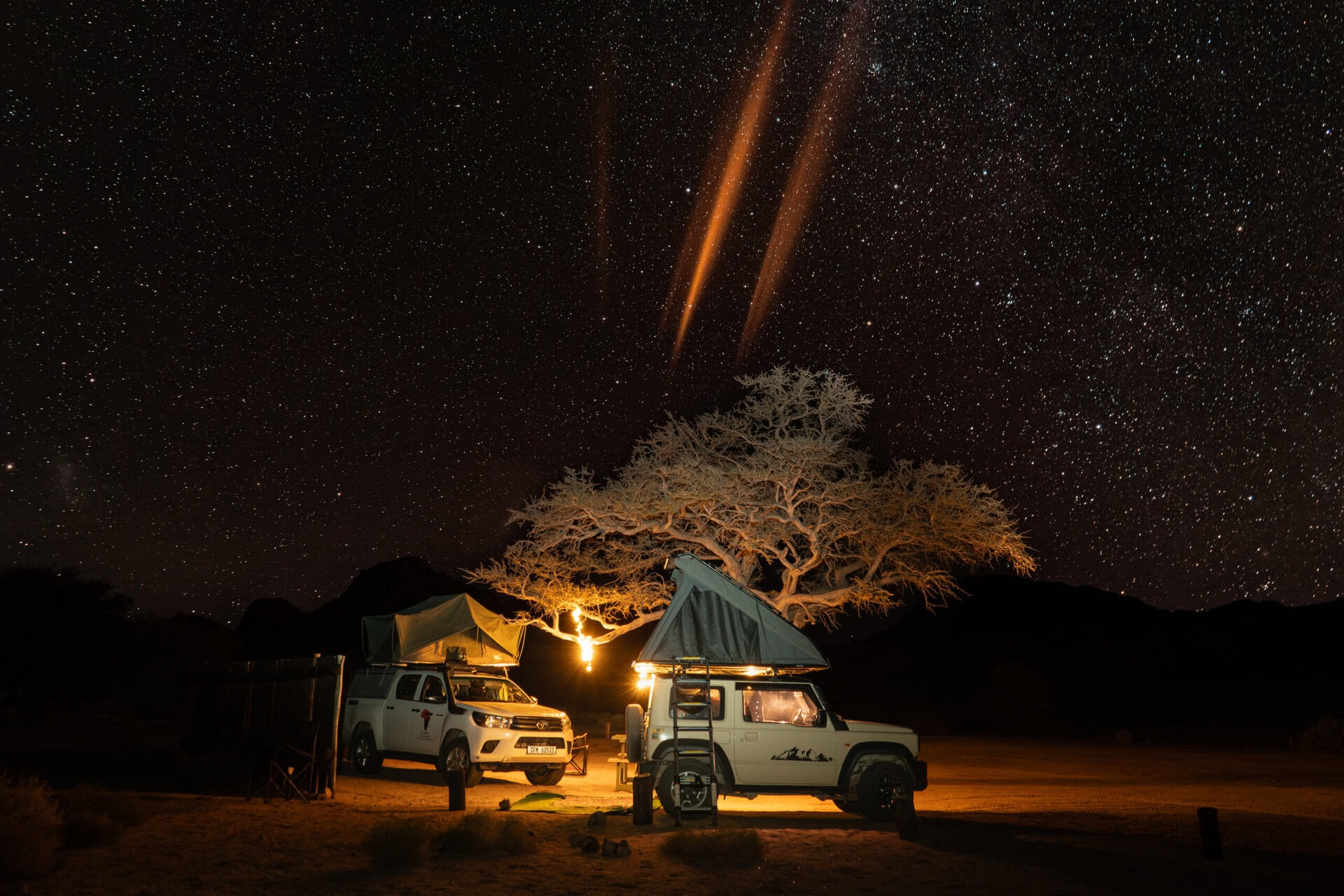
Camping for dummies in 2026 is not about shortcuts or cheating the experience. It is about removing unnecessary barriers. The core pleasures remain unchanged. Watching the sky shift colour over the Waterberg plateau, hearing jackals after dark near the Limpopo River, or waking to the quiet hum of insects in the Lowveld still deliver the sense of escape people seek. The difference lies in how easily you get there.
For modern Western travellers exploring Southern Africa, rooftop tents have become a gateway rather than a gimmick. They allow beginners to focus on the landscape, the road, and the rhythm of travel, instead of technical frustration. Camping no longer demands a personality type or a tolerance for discomfort. In 2026, it simply asks that you are curious enough to leave the city and open your door to the night.
🔴 You might also like to read:
 Mariana Balt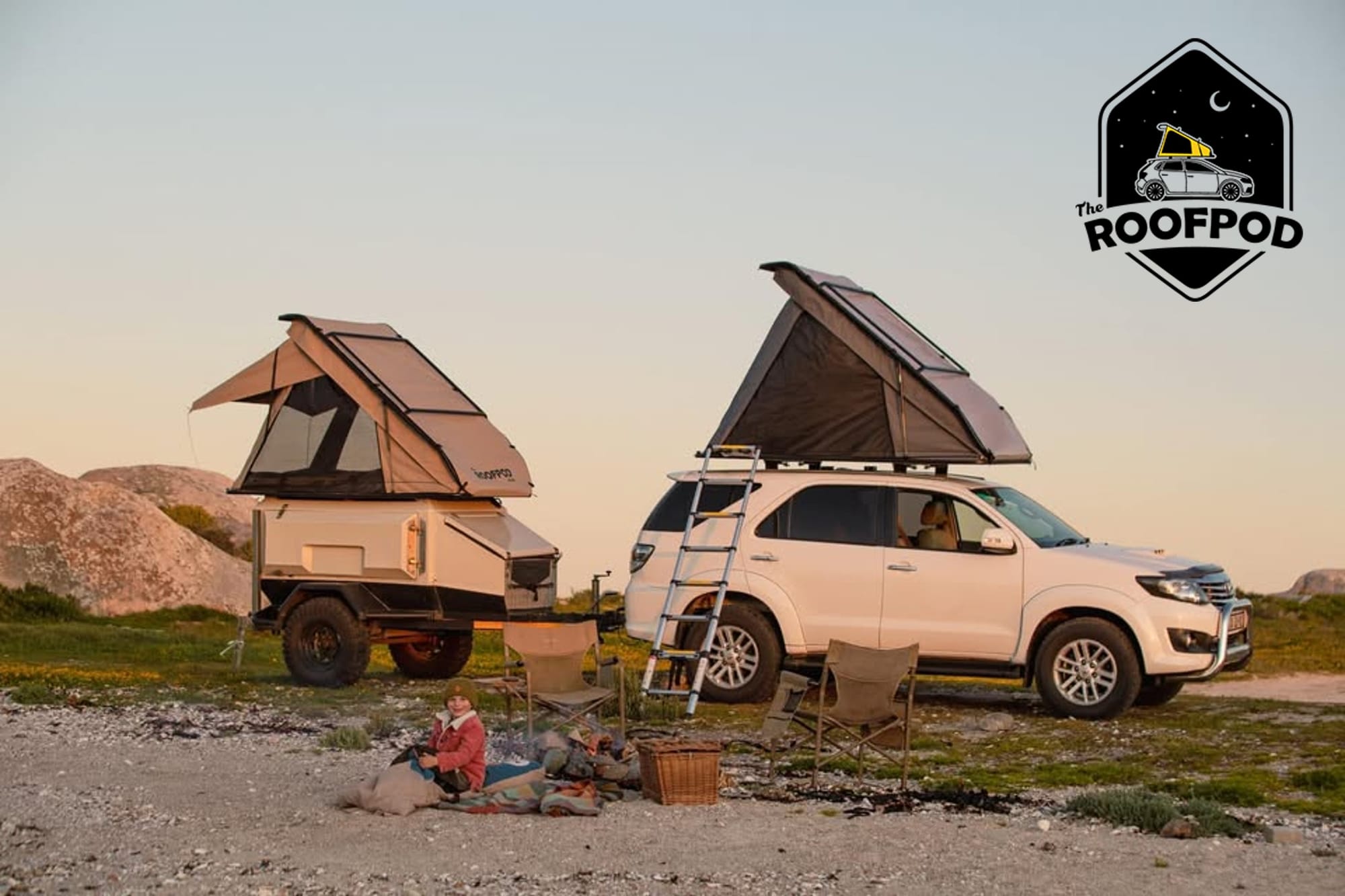
 Mariana Balt

Comments ()