
Botanical gardens to visit during your travels in Southern Africa
Southern Africa’s botanical gardens reveal the region’s extraordinary plant diversity in accessible, beautifully curated settings. From Kirstenbosch in Cape Town to Windhoek’s desert-adapted displays, these green spaces add depth and context to any journey.
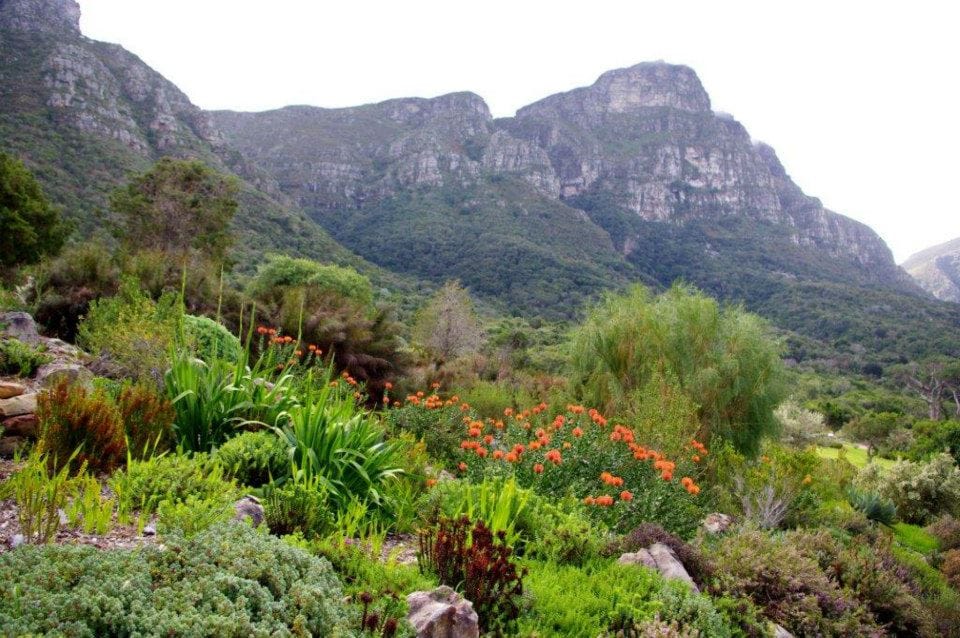
Botanical gardens in Southern Africa serve as living archives of climate, soil and history. They present curated landscapes that mirror wider ecosystems, offering travellers a concentrated sense of place.
In Gauteng, the Walter Sisulu National Botanical Garden centres around a dramatic waterfall. The Walter Sisulu National Botanical Garden lies in Poortview, Roodepoort, about 30 kilometres west of central Johannesburg. Framed by the rugged Witpoortjie Falls and backed by rocky Highveld ridges, it feels far removed from the surrounding urban sprawl, even though major routes such as Hendrik Potgieter Road run close by.
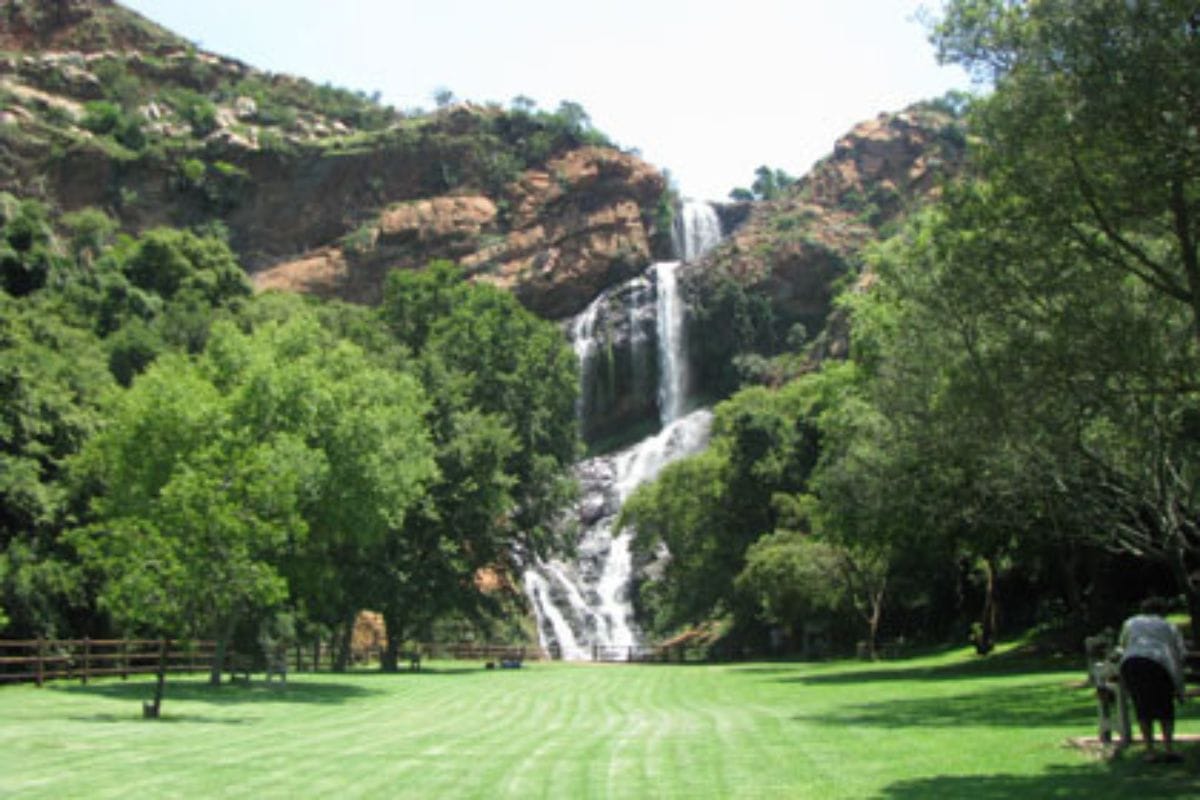
Established in 1982 and covering roughly 300 hectares, the garden protects a remnant of Bankenveld vegetation, one of the most threatened grassland types in South Africa. Open lawns give way to rocky outcrops dotted with aloes and proteas. In summer, wildflowers soften the grassland, while winter reveals the sculptural form of the terrain.
The garden’s defining feature is the waterfall, which drops in a broad white sheet into a pool below. Verreaux’s eagles have nested on the surrounding cliffs for decades, and patient visitors often see them circling overhead. Clearly marked trails lead through woodland and along the stream, offering gentle walks suited to families as well as longer routes for keen hikers.
A restaurant overlooks the lawns, and weekend picnics are popular with Johannesburg residents seeking fresh air. The Walter Sisulu National Botanical Garden stands as a reminder that even within a major metropolitan region, fragments of the original landscape can still thrive when carefully protected.
The Lowveld National Botanical Garden lies on the western edge of Mbombela, where the Crocodile and Nels rivers meet. Positioned just off the R40 and only a few kilometres from the city centre, it offers a calm counterpoint to the traffic that feeds travellers towards the Kruger National Park.
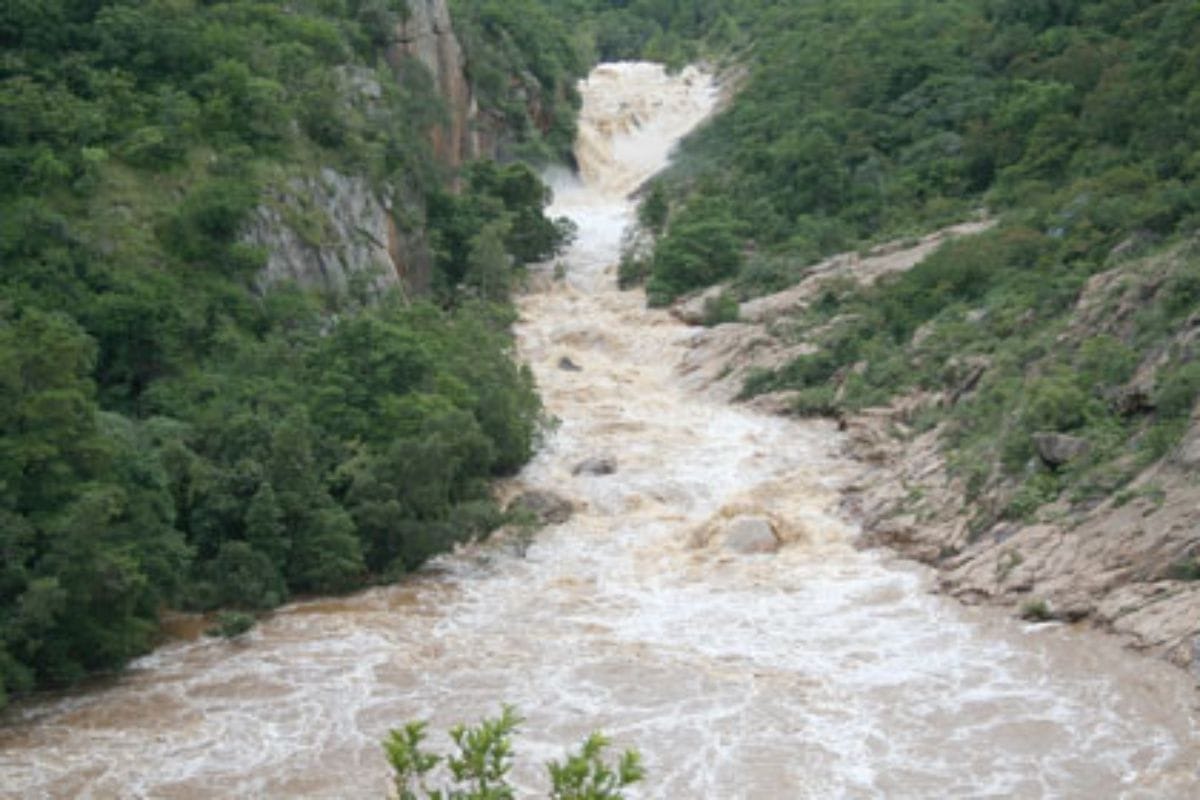
Established in 1969, the garden covers roughly 159 hectares and showcases the remarkable plant diversity of Mpumalanga’s Lowveld. Cycads form a significant part of the collection, some of them critically endangered and carefully protected.
A dense riverine forest traces the watercourses, creating shaded walking routes alive with birdsong. The Cascades Waterfall tumbles over ancient granite, adding sound and movement to the landscape. An elevated steel walkway allows visitors to move through the forest canopy without disturbing the ecosystem below. From this vantage point, the meeting of the two rivers becomes clear, framed by thick indigenous vegetation.
Picnic lawns and a restaurant make the garden accessible for families, while interpretive signage provides context for botanists and casual visitors alike. The Lowveld National Botanical Garden is not simply a green space. It is a living record of a subtropical region shaped by heat, water and time.
The Kirstenbosch National Botanical Garden lies on the eastern slopes of Table Mountain. Established in 1913, it focuses on indigenous flora. Proteas and ericas flourish against a backdrop of sandstone cliffs. The Boomslang canopy walkway curves above treetops, providing elevated views across the Cape Flats. Concerts on summer evenings draw locals and visitors who picnic on the lawns.
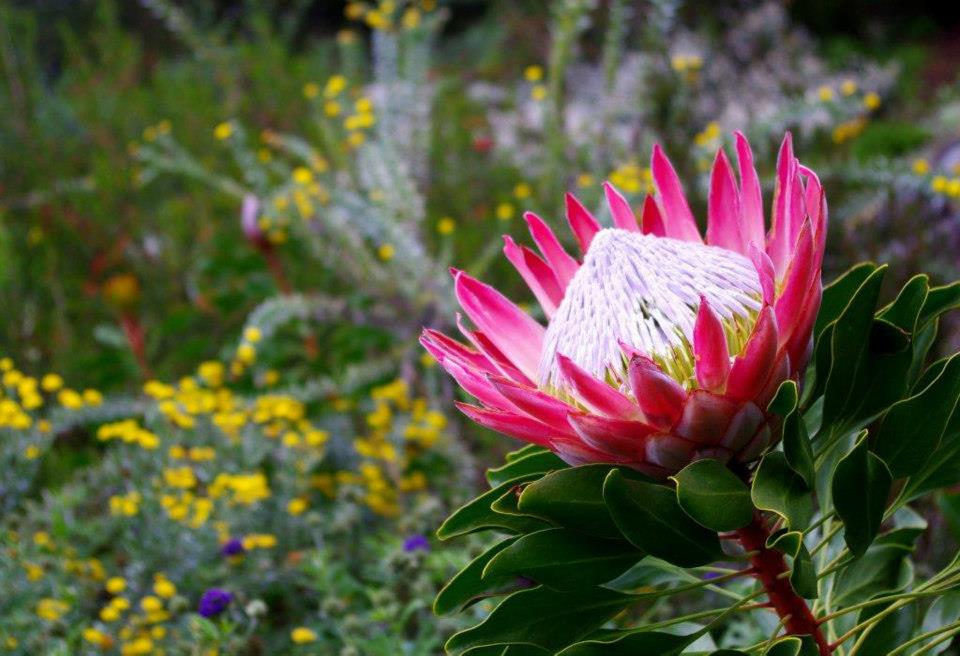
Zimbabwe offers the National Botanic Garden of Zimbabwe, situated in the Alexandra Park suburb of Harare. Woodland sections replicate different regions of the country, from lowveld savanna to montane forest. Interpretive signage explains traditional uses of medicinal plants, connecting botany with cultural practice.
In Namibia’s capital, the National Botanic Garden of Namibia showcases arid-adapted species. Quiver trees and aloes stand resilient against dry conditions. Gravel paths wind through rock outcrops, reflecting the broader landscapes of central Namibia.
Visiting botanical gardens offers practical benefits. They provide shaded walking routes in hot climates and accessible introductions to regional plant life. Families appreciate open lawns where children can move freely. Travellers gain insight into conservation efforts, particularly regarding threatened species.
Geographical context enriches the experience. Kirstenbosch sits within the Cape Floristic Region, one of the world’s biodiversity hotspots. Harare’s garden lies at an altitude of about 1 500 metres, influencing its temperate conditions. Windhoek’s site reflects the challenges of gardening in a semi-arid environment. Botanical gardens encourage slower travel.
They invite observation, from the texture of bark to the structure of a protea bloom. In cities often defined by traffic and commerce, these spaces offer measured calm grounded in science and stewardship.


Comments ()